
Can you cancel a solar contract?. It depends on your contract’s exact terms. It depends on the stage of the project. It depends on any solar contract cancellation or rescission rules that applied when you signed. It depends on your financing arrangement and your state’s consumer protection law. Some contracts can be cancelled with no penalty within days of signing. Others require a closer look at termination clauses, financing terms, and sometimes legal advice.
Cancellation of a solar contract is one of the most searched topics in residential solar. It is also one of the least understood. Homeowners usually land here after one of two moments. Either they just signed something that feels rushed, or they are months into a lease and starting to realize the math never worked the way the salesperson promised. Both situations are common. Neither one has a single universal answer.
That is because “solar contract” is not one thing. You might have signed a purchase agreement, a loan, a lease, or a power purchase agreement, known as a PPA. Each one cancels differently. A loan is a debt obligation. A lease or PPA is a long-term service agreement, often lasting 20 to 25 years. It can survive even if you cancel the installation contract itself. Mixing these up is the most common mistake homeowners make when trying to exit.
Timing matters just as much as contract type. Cancelling before a crew touches your roof is very different from cancelling after panels are installed and your system is connected to the grid. We will walk through both.
What Are Solar Contracts?
A solar contract is the written agreement that governs how you acquire and pay for a residential solar system. Its terms decide what happens if you want out, not its title. Some documents are labeled purchase agreement, lease, PPA, or loan agreement. Many transactions actually involve two or three separate contracts signed the same day. There is often an installation agreement with the solar company. There is often a separate financing agreement with a bank or solar lender. Reading only one of these documents is a common and costly mistake.
What Does It Mean to Cancel a Solar Contract?
Cancelling means formally ending the agreement before it runs its full course. The consequences differ sharply depending on when you do it. Cancelling before any work has started usually involves the fewest complications. Cancelling after installation may trigger obligations tied to equipment already purchased, permits already pulled, or financing already disbursed. Some contracts list a cancellation fee for a later-stage exit. Many do not apply one automatically. Any fee should be stated in writing, not assumed.
Can You Cancel a Solar Contract?
Yes, in many cases. But not always, and not without consequence in every scenario. The honest answer requires looking at your specific agreement, not a blanket rule.
Can You Get Out of a Solar Contract?
Most residential solar contracts can be exited through one of three paths. There is a statutory cancellation window shortly after signing. There is a termination clause written into the contract itself. There is a dispute-based exit if the seller misrepresented material facts.
Which path applies depends on how and where you signed, what your contract says about termination, and what evidence exists of what you were told during the sales pitch. There is rarely one simple yes or no answer. It is a matter of which path fits your facts.
Can Solar Contracts Be Cancelled?
As a category, yes. Solar contracts are ordinary consumer contracts. They are cancellable under the same legal frameworks that apply to other major home improvement purchases. What varies is the window and the process.
A contract signed at your kitchen table after an in-home sales pitch is treated differently under the law than one signed at a solar company’s retail showroom. In-home sales carry specific federal and state cooling-off protections. Showroom sales generally do not.
What Determines Whether Cancellation Is Possible?
Several factors interact here. No single one decides your case on its own.
- Contract language. The specific cancellation, termination, and rescission clauses in your agreement.
- Project stage. Whether you are before signing, before installation, mid-installation, or fully installed.
- Cancellation or rescission provisions. Whether a statutory cooling-off period applied to your sale.
- Financing agreement terms. Loans, leases, and PPAs each carry separate exit conditions.
- Lease or PPA structure. These are typically 20- to 25 year service contracts, not one-time purchases.
- State-specific consumer protection rules. These vary meaningfully by state, as shown below.
- Whether installation has started. Equipment ordering and permitting can create cost exposure.
- Whether equipment has been installed. Physical installation changes both leverage and complexity.
How to Cancel a Solar Contract
This is a full process. It is not a single phone call. Skipping a step is the most common reason a cancellation gets disputed later.
Here is where the process usually breaks down. Homeowners call the sales rep instead of sending written notice to the address named in the contract. A verbal “okay, I will cancel it” from a salesperson often carries no legal weight.
Step 1: Read the Solar Contract
Before doing anything else, find the cancellation clause, the termination clause, and any rescission language in your signed agreement. These sections govern your rights, not general assumptions. Look for the notice requirements.
These explain how you must communicate cancellation. Look for the cancellation deadline. This tells you how many days you have. Look for any stated cancellation fee. Look at how the installation agreement connects to your financing terms. If you cannot find a cancellation clause at all, that is worth noting. It may mean your rights come mainly from statutory law rather than the contract.
Step 2: Determine the Current Project Stage
Your options narrow as the project moves forward. Identifying exactly where you stand is the necessary next step.
| Project Stage | Key Question to Check |
| Contract just signed | Is a cancellation or rescission period still open? |
| Before installation | Has equipment procurement or site work already started? |
| Installation scheduled | Does the contract name specific cancellation costs at this stage? |
| Installation underway | What contractual obligations have already been triggered? |
| Installation completed | Are there separate warranty, financing, lease, or PPA obligations still active? |
Step 3: Check the Cancellation Procedure
Most enforceable cancellations require written notice. That notice must be delivered a certain way, within a certain window. Verbal cancellation is rarely enough on its own. Check whether your contract requires mail, email, or a specific cancellation form.
Check whether it names a required delivery method. Many contracts specify certified mail so you have proof of delivery. Request written confirmation once your notice is received. A cancellation that was sent but never acknowledged is harder to defend if a dispute comes up later.
Step 4: Review Financing Separately
This is the part most people overlook. Cancelling your installation agreement does not automatically cancel a separate loan, lease, or PPA tied to the same project. If a third-party lender funded your system, that loan exists on its own. It generally needs its own cancellation or payoff process, even if the solar company agrees the installation contract is void.
Step 5: Keep Documentation
Keep every document connected to the transaction. Keep the signed contract. Keep your written cancellation notice. Keep related emails, receipts, financing paperwork, installation records, and any confirmation of receipt from the company. If a dispute develops later, this file is often the deciding factor.
Can You Cancel a Solar Contract Before Installation?
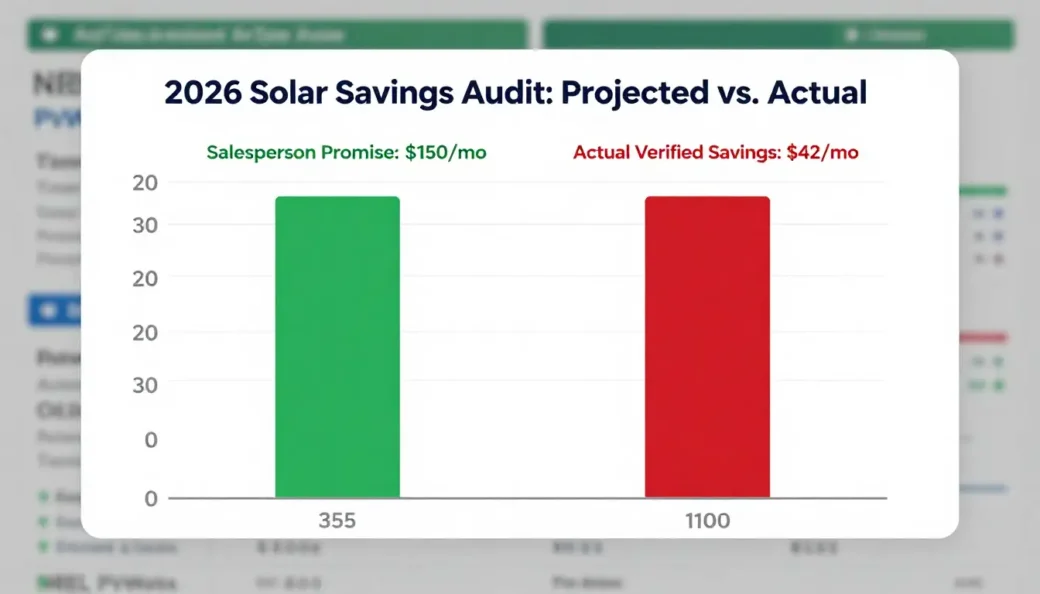
Yes, in most cases. Cancelling before installation is usually the most direct path out of a solar agreement. It is not automatically free of cost, though.
Can I Cancel My Solar Contract Before Installation?
If installation has not begun, your cancellation rights usually rest on two things. First, is a statutory cooling-off period still open? Second, what does your contract’s termination clause say about exits before installation?
Under the FTC’s federal Cooling-Off Rule, found at 16 C.F.R. Part 429, most solar contracts signed at your home carry a right to cancel until midnight of the third business day after signing. This applies to sales of $25 or more and requires no reason. Contracts signed at the company’s permanent place of business generally do not carry this same right. Some states go further.
Texas passed the Residential Solar Retailer Regulatory Act, found in Occupations Code Chapter 1806, effective September 1, 2025. It gives homeowners five business days, longer than the federal floor. California’s Home Solicitation Sales Act, found in Civil Code sections 1689.5 through 1689.14, offers a similar three-day window. That window extends to five business days for buyers age 65 or older.
What Happens If You Cancel Before Installation?
Outside the statutory cooling-off window, cancellation terms come from the contract itself. Outcomes vary. Some contracts allow free cancellation up to a stated milestone before installation. Others may involve a forfeited deposit. Others may involve a cancellation fee tied to design or permitting work already done. Others may involve costs for equipment already ordered on your behalf.
Here is a decision checkpoint. If you are still inside your state’s or the federal cooling-off window, cancellation is almost always your simplest and lowest-cost option. Verify the exact deadline before assuming it has passed.
Can You Cancel a Solar Contract After Installation?
Yes, but the process is more complex. Installed equipment, activated financing, and interconnection agreements are all part of the picture now.
Can You Cancel Solar Panels After Installation?
“Cancelling after installation” can mean several different things. It can mean ending the sales agreement itself. It can mean terminating a loan. It can mean ending a lease or PPA. It can mean physically removing equipment.
It can mean disputing defective work. These are not interchangeable. A homeowner who only handles one of them, such as stopping loan payments, without formally addressing the others, can end up in a worse spot. You could face both a damaged system and continued financial exposure.
How to Cancel a Solar Contract After Installation
The process starts the same way as any cancellation. Review the agreement. Then add a few more steps. Identify exactly which type of transaction you signed: purchase, loan, lease, or PPA. Check any termination provisions that apply after installation. Identify what financial obligations remain outstanding.
Document any installation problems in writing, with photos where possible. Submit the required cancellation or dispute notices in writing. Understand that removal or reinstallation of equipment may involve its own separate terms and costs.
What Happens If You Cancel After Installation?
| Issue | Why It Matters |
| Equipment | It has already been installed on your property |
| Financing | A separate loan or lease payment obligation may still exist |
| Lease or PPA | The service contract may continue on its own, apart from the sale |
| Removal | Physical panel removal may involve extra terms and costs |
| Property | Roof penetrations and electrical work may already be done |
| Fees | Your contract may name termination costs at this stage |
If your dispute involves defective installation or property damage from the work itself, that is a separate legal issue from cancellation. Our guide on solar panel property damage claims covers what documentation usually matters in those cases.
Solar Contract Cancellation Laws and Legal Rights
Cancellation law here comes from a mix of federal rules, state statutes, and general contract principles. It is not one single solar law.
What Does Law Cover?
At the federal level, the FTC’s Cooling-Off Rule governs most in-home and off-premises sales contracts of $25 or more. Sellers must disclose the buyer’s three-business-day cancellation right in writing. They must provide a cancellation form at signing. States then add their own layers on top. Some states, like Texas, have passed solar-specific statutes.
Others rely on general home solicitation and home improvement contract law that happens to cover solar. Required disclosures, notice periods, and enforcement details differ by state. That is why the section on specific states below matters.
Can You Legally Cancel a Solar Contract?
Beyond the initial cooling-off window, legal cancellation grounds generally fall into a few groups. There is a termination right built into the contract itself. There is a statutory right that extends past the standard window, for example, when a required cancellation notice was never properly given.
There is a claim based on misrepresentation, missing disclosures, or fraud during the sales process. A material breach by the solar company can also support a cancellation or dispute claim. This could mean failing to deliver promised equipment or missing agreed timelines by a wide margin. What counts as material depends on your specific facts.
Are Solar Contracts Voidable?
A contract can become voidable under certain conditions. The most common are fraud in the inducement, a failure to give legally required disclosures, or a cancellation notice that was never properly delivered to the buyer. In some states, a missing notice can leave the cancellation right open well past the standard three or five day window.
This is a legal determination based on your specific facts. It is not an automatic status. This is an area where a conversation with an attorney familiar with your state’s consumer protection laws is genuinely useful, not optional.
Before vs. After Installation
| Factor | Before Installation | After Installation |
| Equipment installed | Usually no | Yes |
| Contract review | Important | Essential |
| Cancellation terms | Often easier to identify | May involve added obligations |
| Financing | May already be in place | Usually needs separate review |
| Removal | Usually not applicable | May become relevant |
| Potential costs | Depends on the contract | Depends on the contract and situation |
| Documentation | Important | Extremely important |
How to Get Out of a Solar Lease
A solar lease is not a purchase. You are paying to use equipment owned by the leasing company. This often lasts 20 to 25 years. That changes the cancellation math a lot.
Can You Get Out of a Solar Panel Lease?
Leases generally cannot be cancelled the same way a purchase agreement can, once the initial cooling-off window closes. You are not cancelling a one-time sale. You are trying to exit a long-term service contract. Most leases name their own termination terms. These often include an early termination payment based on how much value remains in the contract.
How to Cancel a Solar Lease
Start by finding the lease’s specific termination clause. Leases, unlike simple purchase agreements, almost always address early termination directly. This is often tied to a declining payment schedule based on years remaining. Contact the leasing company in writing. Ask for the exact termination figure for your account. Do not assume a number from a general online estimate.
What Happens at the End of a Solar Panel Lease?
Most leases offer the homeowner a choice when the term ends. You can renew the lease. You can buy the system at its fair market value at that time. Or the company can remove the equipment at its own expense. This should be spelled out in your original agreement. If it is not clearly addressed, raise that question early, not near the end of the term.
Can You Buy Out a Solar Lease?
Many leases include a buyout option. This is often available starting at a specific contract year. It is usually calculated using a present schedule or the system’s depreciated value. If you are exploring an early buyout in California, our guide on solar lease buyout options breaks down how those numbers usually work.
What Happens to a Solar Lease When You Sell Your House?
A solar lease does not end automatically when you sell your home. It is a separate contractual obligation from the property deed. Most sellers either arrange for the buyer to take over the lease, pay it off before closing, or negotiate a lease-related credit into the sale price. We cover this in more detail in the home sale section below.
How to Get Out of a Solar Loan
A solar loan is different from a lease or PPA. It is plain debt, usually secured against the equipment, sometimes against the home itself, used to purchase a system you own outright.
Can You Cancel a Solar Loan?
Within the initial cooling-off period, yes. Federal Truth in Lending Act protections may also apply if the loan is secured by your home. These can sometimes extend your rescission window to three years if the required disclosures were never properly made.
Outside that window, a solar loan works like any other installment loan. It is paid off through scheduled payments, an early payoff, or refinancing. It is not “cancelled” the way a service contract is.
What Happens If You Stop Paying a Solar Loan?
Stopping payment is not cancellation. It is default. It carries its own consequences, separate from any cancellation right you may have had. Late payments are usually reported to credit bureaus. Continued nonpayment can lead to collections activity. In a secured loan, it can lead to a lien or other claim against your property, depending on the loan terms and your state’s law.
Does Solar Bankruptcy Cancel the Loan?
Here is a distinction almost no one explains upfront. The solar company going out of business does not usually cancel your loan. In most transactions, the loan is held by a separate lender, such as a bank or a solar-specific financing company.
This is not the installer itself. If the installer closes, your loan obligation to that lender usually continues, even though the company that sold and installed your system is gone. This is one of the more painful gaps in a typical sales presentation.
Cancellation of Solar Contract Fees and Costs
Is there a cancellation fee for a solar contract?
Not automatically. Whether a fee applies depends on your specific contract and how far the project has progressed. No fee should be assumed unless it is clearly stated in writing. Contracts cancelled within a valid statutory cooling-off period are generally free of fees by law. Later stage cancellations may or may not carry a fee. That depends on what your agreement says.
What Can Cause Cancellation Costs?
Several factors can create cost exposure at cancellation. Check your contract against each one.
- Contractual cancellation charges named in the agreement itself
- Deposits paid at signing that may not be fully refundable past a certain point
- Equipment already ordered specifically for your project
- Design, engineering, or permitting work already done
- Financing origination or prepayment costs tied to a loan
- Physical removal costs if equipment has already been installed
- Any other contract-specific charges listed in your agreement
What Happens If You Stop Paying for Solar?
This is a separate path from cancellation. Treating the two as the same thing is a mistake with real financial consequences.
What Happens If I Stop Paying My Solar Lease?
Missed lease payments usually trigger the lease’s own default terms. These generally do not include automatic contract termination. You may still owe the remaining lease value even after the account is reported delinquent. Nonpayment usually does not erase the underlying obligation the way a formal cancellation would.
What Happens If You Don’t Pay for Solar Panels?
The sequence generally runs like this: cancellation, then termination, then nonpayment, then default, then collections, then possible dispute or litigation. Skipping straight to nonpayment, without ever formally cancelling through the proper channel, usually leaves the underlying contract in place. It exposes you to collections activity for an agreement you may have believed you already ended.
Can a Solar Company Put a Lien on Your House?
In some cases, yes. This is more likely with secured solar loans, or in states where mechanic’s lien laws apply to unpaid home improvement work. An unpaid solar debt can lead to a lien against the property. This varies a lot by state and by the specific financing structure. Check your contract and your state’s lien law directly rather than assuming a single answer applies everywhere.
Does Cancelling a Solar Contract Hurt Your Credit?
A properly done cancellation, timely and in writing, within a valid cancellation window or termination clause, generally should not affect your credit. Nonpayment or default, by contrast, is commonly reported to credit bureaus. It can affect your score. That difference matters here more than almost anywhere else in this topic.
Solar Contract Problems and Disputes
What Are Common Solar Contract Problems?
Recurring issues across homeowner complaints include unexpected charges not clearly disclosed at signing. They include financing terms that were unclear or described differently in person than what the paperwork actually said. They include installation delays that run well past the quoted timeline.
They include disputes over system performance compared to the original savings projection. Lease and PPA misunderstandings are common too, especially around escalator clauses that raise your payment each year. Complications can also surface only when the homeowner tries to sell the property.
What Is a Solar Panel Contract Dispute?
A contract dispute happens when the homeowner and the solar company disagree about the terms, performance, or obligations under the agreement. This is commonly about cancellation validity, installation quality, or whether promised savings were represented accurately.
How Does Solar Dispute Resolution Work?
Many solar contracts include an arbitration clause. This can limit your ability to bring a claim in court. Check this provision specifically. It affects your options if informal resolution fails. Dispute resolution usually starts with written communication that documents the issue.
It can escalate to the company’s formal complaint process, if one exists. It may eventually involve mediation, arbitration, or litigation, depending on what the contract says and what is at stake financially. If fraud, misrepresentation, or a scam is part of your situation, our overview of solar scam and consumer protection issues covers warning signs and reporting options in more depth.
When Should You Consider Legal Help With a Solar Contract?
What Kind of Lawyer Handles Solar Contract Disputes?
Consumer protection attorneys, contract attorneys, and in some cases real estate attorneys handle solar contract disputes. They often work with claims under state deceptive trade practices statutes when misrepresentation is involved.
When Might Legal Review Be Relevant?
Legal consultation tends to be genuinely useful in a few specific situations. These include a substantial financial dispute where real money is at stake. They include alleged misrepresentation during the sales pitch.
They include a cancellation the company refuses to honor. They include genuinely unclear contract language. They include a property lien you did not expect. They include an arbitration clause that limits your options. This is general information, not personalized legal advice. An actual review of your specific contract by a licensed attorney in your state is the only way to get a definitive answer for your case.
If you are in Texas, our guide on working with a solar cancellation lawyer covers what that process usually involves. California homeowners facing a dispute may find our overview of solar panel lawsuit considerations useful as a starting point.
Contract Cancellation by State
Cancelling Solar Contract California
California offers some of the more detailed statutory protections in the country for solar cancellation. Under the Home Solicitation Sales Act, found in Civil Code sections 1689.5 through 1689.14, and Business and Professions Code section 7159, contracts signed at your home carry a three-business-day right to cancel.
This is generally true unless the contract was signed at the contractor’s permanent place of business. The window extends to five business days if you are age 65 or older. The contractor must provide a detachable, duplicate Notice of Cancellation form.
Under Civil Code section 1689.7(e), the contractor generally cannot begin work until that cancellation period has passed. Down payments on home improvement contracts, including solar, are capped at $1,000 or 10 percent of the contract price, whichever is less, under Business and Professions Code section 7159.5. One detail rarely mentioned in the original sales pitch: if the required cancellation notice was never properly given at signing, some authorities on this point indicate the cancellation right may stay open well beyond the standard window.
Cancelling Solar Contract Texas
Texas homeowners now have stronger protections than the federal floor. Under Senate Bill 1036, known as the Residential Solar Retailer Regulatory Act and found in Occupations Code Chapter 1806, effective September 1, 2025, every residential solar contract must include a five-business-day right to cancel with no penalty.
This is longer than the three-business-day federal Cooling-Off Rule. It is also longer than the state’s separate door-to-door sales law in Business and Commerce Code Chapter 601. Starting September 1, 2026, residential solar retailers and salespeople will also need to register with the Texas Department of Licensing and Regulation. This is worth watching if you are currently vetting a company to work with.
Cancelling Solar Contract Colorado
Colorado does not currently have a solar-specific cancellation statute like Texas’s Senate Bill 1036. Colorado homeowners generally rely on the federal FTC Cooling Off Rule’s three-business-day window for in-home sales. If your solar agreement involves financing, federal Truth in Lending Act disclosures may offer added rescission rights if the required disclosures were incomplete.
Door-to-door solar sales are common along Colorado’s Front Range, especially in Denver, Colorado Springs, Fort Collins, and Boulder. That makes the federal cooling-off window frequently relevant in practice.
A note on permitting timelines. This affects the “before installation” cancellation window in every state. Local permitting and utility interconnection approval can add weeks between signing and actual installation. Our overview of solar panel permit requirements explains what that process usually looks like and why it matters for your cancellation timing.
Solar Cancellation Companies and Exit Services
What Are Solar Cancellation Services?
A growing number of companies now market themselves as specialists in getting homeowners out of solar contracts, leases, or loans. They usually do this by reviewing your contract for cancellation grounds, or by negotiating directly with the solar company or lender on your behalf. We do not endorse specific companies in this category. Neither their existence nor their marketing guarantees a particular outcome for your situation.
What Should You Check Before Using a Cancellation Service?
Before hiring any exit or cancellation service, verify the company’s actual legal identity. Get the scope of service in writing. Confirm all fees upfront. Review how the engagement itself is structured. Ask about their refund policy if they are not successful.
Check for relevant credentials or licensing. Search for any complaint history with your state attorney general or the Better Business Bureau. Be specific about what they are actually promising. “We will review your options” is a different service than “we guarantee cancellation.”
Is a Solar Cancellation Service Legit?
Some are legitimate businesses. Others operate in a gray area or make promises they cannot reliably deliver. We cannot offer a blanket yes or no for any specific company without current, verifiable evidence. That is exactly why the checklist above matters more than any single company’s marketing claims.
Solar Contract Scams and Fraud
Common Solar Contract Warning Signs
Watch for pressure to sign the same day, with no time to review the contract. Watch for savings projections presented as guarantees instead of estimates. Watch for vague or missing details about financing terms. Watch for a company that is reluctant to give references or proof of licensing. Watch for contract language that does not match what the salesperson said out loud.
How to Review a Solar Contract Before Signing
| Contract Item | What to Check |
| Total price | The full project amount, not just the monthly payment |
| Financing | APR, loan term, and total repayment amount |
| Ownership | Whether it is a purchase, lease, or PPA |
| Cancellation | The exact deadline and required cancellation procedure |
| Equipment | Specific product names, models, and specifications |
| Installation | Scope of work and a realistic timeline |
| Warranties | What is covered, for how long, and by whom |
| Roof work | Who is responsible for any roof repairs and their cost |
| Transfer | What happens to the agreement if you sell the home |
| Disputes | Whether arbitration is required and what venue applies |
If you are already dealing with suspected misrepresentation or fraud, our detailed guide on solar scams and consumer protection walks through documentation and reporting steps.
What Happens If the Solar Company Goes Out of Business?
Do You Still Have to Pay If a Solar Company Goes Out of Business?
Generally, yes. Your payment obligation runs to whoever holds your loan, lease, or PPA. This is very often a separate financial entity from the installer. The installer’s closure alone usually does not erase what you owe. This has been a painful surprise for many homeowners in the 2024 to 2026 period, as several solar installers have filed for bankruptcy while their financing partners kept collecting payments.
Does Solar Company Bankruptcy Cancel Your Contract?
Not automatically. Bankruptcy affects the company’s own obligations and operations, such as honoring warranties or finishing unfinished installations. It does not inherently cancel a separate loan or lease agreement you hold with a different lender. Our detailed guide on navigating solar company bankruptcy and debt covers this distinction in more depth, if it applies to your situation.
What Happens to a Solar Loan After a Solar Company Closes?
The loan generally survives the installer’s closure. The lender is usually a separate party from the company that sold and installed your system. Warranty coverage, on the other hand, may become hard or impossible to enforce if the installer that provided it no longer exists. That is a real, practical loss worth acknowledging honestly.
Selling a Home With a Solar Contract
What Happens to a Solar Lease When You Sell Your House?
The lease does not end with the sale. It typically needs to be transferred to the buyer, paid off before closing, or bought out. Each path affects your closing timeline and net proceeds differently.
Can You Sell a House With a Solar Loan?
Yes, but the loan generally needs to be addressed at closing. It can be paid off from sale proceeds. In some cases, if it is structured as a property-attached obligation, such as certain PACE financing, it may transfer with the property. This depends on your state’s rules and the buyer’s willingness to take it on.
Can the Buyer Assume the Solar Agreement?
Many leases and PPAs include an assumption process. This typically requires the buyer to pass the leasing company’s credit approval. This is not automatic or guaranteed. It should be confirmed with the leasing company well before closing, not discovered during it.
What Happens If the Buyer Does Not Want the Solar Contract?
If the buyer declines to assume the lease, the seller generally needs to pay off the remaining obligation. The seller could also negotiate a price adjustment to offset it. In some cases, the seller can arrange for the leasing company to remove the equipment. Each option has real timeline and financial effects on the sale.
Checklist for Cancelling a Solar Contract
- Find your signed agreement. Look for every document, not just the main contract.
- Identify the exact contract type: purchase, loan, lease, or PPA.
- Check the cancellation and termination clause specifically.
- Determine whether installation has started.
- Check any financing agreement separately from the installation contract.
- Check your state’s specific cancellation rules.
- Follow the required cancellation method exactly as written.
- Keep proof of delivery for any notice you send.
- Request written confirmation of cancellation.
- Keep every record connected to the transaction.
Other Options
| Your Situation | What to Investigate |
| Contract just signed | Cancellation or rescission terms |
| Installation has not started | Contract termination provisions |
| Installation completed | Contract, plus financing, lease, or PPA terms together |
| Poor installation quality | Warranty and dispute provisions |
| Suspected misrepresentation | Consumer protection and dispute options |
| Cannot afford payments | Financing hardship or default options, not silent nonpayment |
| Selling the home | Transfer, assumption, or buyout terms |
| Company closed | Separate contract and financing relationships |
Final Thoughts
Solar contract cancellation is rarely one simple action. It is a process. You need to find the right document, identify the right deadline, and follow the right procedure. Most problems in this area do not come from a lack of rights. They come from confusion about which right applies, and when it expires. A homeowner who reads the contract closely and acts early is almost always in a stronger position than one who waits.
If you are still deciding whether to move forward, treat this guide as a starting point, not a final answer. Your own contract controls your own situation. Read it carefully. Note your exact dates. Keep every document in one place. If something still feels unclear after that, a licensed attorney in your state can confirm your options based on your actual paperwork, not a general estimate.
Frequently Asked Questions
Can you cancel a solar contract?
In many cases, yes. This is usually through a statutory cooling-off period shortly after signing, a contractual termination clause, or, in limited situations, a dispute-based exit. It depends on your specific contract and timing.
Can you cancel a solar panel contract after installation?
Yes, though it is more complex. Installed equipment, active financing, and interconnection agreements are all part of the picture at that stage.
How do you get out of a solar contract?
Read your contract’s cancellation and termination clauses. Determine your project stage. Follow the required written notice procedure. Review financing separately. Keep thorough documentation.
Can you get out of a solar lease? Usually through the lease’s own termination or buyout provisions, once the initial cooling-off period closes. A lease is a long-term service contract, not a one-time sale.
Can you cancel a solar contract before installation?
Usually, yes. This is often the most direct stage to cancel, especially within a statutory cooling-off window. Costs before installation can still apply, depending on your contract.
Can solar contracts be cancelled?
Yes, as a general category. Solar contracts follow the same consumer contract principles that apply to other major home improvement purchases.
What happens if you stop paying a solar lease?
This is default, not cancellation. It typically does not end the underlying obligation, and it can lead to collections activity.
Can you get out of a solar loan?
Within the initial rescission window, yes. Afterward, it works like standard debt, addressed through payment, early payoff, or refinancing.
Can you cancel a solar contract when selling your house?
The contract is not automatically cancelled by a home sale. It typically needs to be transferred, paid off, or bought out as part of closing.
Does cancelling a solar contract hurt your credit?
A properly done, timely cancellation generally should not. Nonpayment or default, on the other hand, commonly does.
Can a solar company put a lien on your house?
In some cases, yes, depending on your financing structure and your state’s lien law. This varies enough that it is worth checking your specific agreement and jurisdiction directly.
This article by SolarInfoPath (2026 research framework) is part of a comprehensive solar knowledge architecture covering all major high-value sectors including legal disputes (installation negligence, contracts, liability, fraud, lawsuits, liens, HOA and permitting disputes), financial structures (loans, PPA/lease agreements, DSCR financing, tax equity, investment and project finance), tax law (ITC, Section 48/25D, MACRS depreciation, bonus credits, IRS audits, recapture rules, domestic content and IRA/OBBBA compliance), insurance and risk (property damage, hail/wind/fire claims, bad faith insurance disputes, warranty coverage), policy and regulation (net metering, FERC interconnection, state utility rules, incentive programs and regulatory changes), commercial and utility-scale development (EPC contracts, construction delays, performance bonds, receivership, bankruptcy, asset sale and restructuring), real estate impacts (home value, solar leases, liens, title issues, HOA restrictions, easements), and emerging market structures such as battery storage, community solar, agrivoltaics, SRECs, yieldcos, and institutional investment funds. All content is based on publicly available regulatory, financial, and legal sources and is intended strictly for educational and informational purposes, not legal, tax, or financial advice. Readers should always verify current laws, utility policies, tax regulations, and contract terms with qualified licensed professionals before making decisions, as solar regulations, incentives, and financial structures frequently change across jurisdictions and time.

Solar Legal Analyst· Policy Researcher· Investigative Finance Writer Lead Analyst & Founder of SolarInfoPath
Morgan Lee is a solar legal analyst, policy researcher, and investigative finance writer with 12+ years of experience in U.S. renewable energy law, IRS tax credit compliance, and solar litigation. He is the founder of SolarInfoPath, a research-driven platform focused on primary-source analysis of solar contracts, tax law, regulatory policy, and industry disputes affecting homeowners and commercial developers.
His work is grounded in original legal and regulatory sources, including IRS notices, FERC and CPUC rulings, state court filings, PACER records, and UCC lien databases. He specializes in solar contract disputes, injury and workers’ compensation claims, PACE financing issues, tax equity structures, ITC recapture rules, MACRS depreciation, and federal and state solar policy frameworks.
Morgan’s analysis spans solar litigation, finance structures, and regulatory developments such as the IRA and OBBBA, interconnection reform, domestic content rules, and battery storage incentives. He also covers EPC contracts, PPAs, project financing, and utility-scale solar investment structures.