
Solar installation involves more than the crew on the roof. How long do solar panels take to install depends on two different clocks: the physical work and the full process from signing a contract to system activation. System size, permits, utility approvals, weather, and inspections all affect the final number. This guide walks through both timelines with clear stages.
How Long Solar Panels Take time to Install?
The physical installation itself is usually the shortest part of the process. The full project timeline, including paperwork and approvals, is almost always longer. Installation time varies with system size, roof conditions, equipment, and crew size. A finished installation doesn’t mean the system can run yet. It often still needs an inspection and utility sign-off first.
How Long Does It Take to Install Solar Panels on a Typical Home?
A typical residential rooftop installation happens in stages. Roof preparation comes first. Mounting hardware goes on next. Panel placement and electrical connections follow. Roof complexity can shorten or extend this work. So can crew size and equipment availability.
How Long Does It Take to Install a Solar Panel?
Installing a single panel is different from installing a full system. A single panel still needs electrical work, mounting, and safety checks. How long does it take to install a solar panel by itself is a common follow-up question for anyone adding to an existing array. A one-panel project doesn’t simply take a fraction of the time a full system takes. Much of the work is fixed, not proportional to panel count.
How Long Does Solar Installation Take From Start to Finish?
How long does solar installation take from start to finish covers the full project, not just the days on the roof. The timeline runs from the initial assessment through permission to operate. Administrative steps and physical installation are two separate clocks. Permitting and utility approval can take longer than the on-site work itself.
How Long Does Solar Installation Take? Step 1: Site Assessment and Design
A site visit checks roof condition and shading first. An electrical system review comes next. System sizing and design preparation follow from there. How long does solar installation take from this point onward depends heavily on what this first step uncovers.
Step 2: Permits and Utility Applications
Local building and electrical permits get filed at this stage. A utility interconnection application usually goes in around the same time. Local processing speed affects the whole schedule from here.
Step 3: Equipment Delivery and Scheduling
Equipment availability and delivery timing matter next. Installation crew scheduling depends on both. Supply issues or scheduling conflicts can cause delays here.
Step 4: Physical Solar Panel Installation
The mounting system goes up first. Panel placement and wiring come next. Inverter and electrical equipment setup finish the on-site work.
How Long Does Solar Installation Take? Step 5: Inspection and Permission to Operate
Local inspection happens once the work is done. Any issues found get corrected before moving forward. Utility review and meter-related requirements come next, where applicable. Permission to operate is often required before the system can be switched on. Interconnection delays are common at this stage, and a closer look at interconnection delays, their causes, and typical timelines explains why utilities sometimes take longer than the installation itself.
Time to Install Solar Panels: What Happens on Installation Day?
Time to install solar panels on installation day follows a fairly predictable sequence. Crew size, roof complexity, and equipment configuration all affect how long it runs. Time spent installing panels and time spent on electrical work are two separate parts of the day.
Time to Install Solar Panels: Roof Mounting and Panel Placement
Roof preparation and mounting hardware go first. Panel placement and securing come next. Wiring and electrical connections finish this stage of the day. Most of the time to install solar panels on a typical roof gets spent right here.
Time to Install Solar Panels: Electrical Work
Inverter setup happens after the panels are secured. Electrical connections and system configuration follow. Safety checks and testing close out the work. The remaining time to install solar panels almost always goes toward this final electrical stage.
How Long Does It Take to Install Commercial Solar Panels?
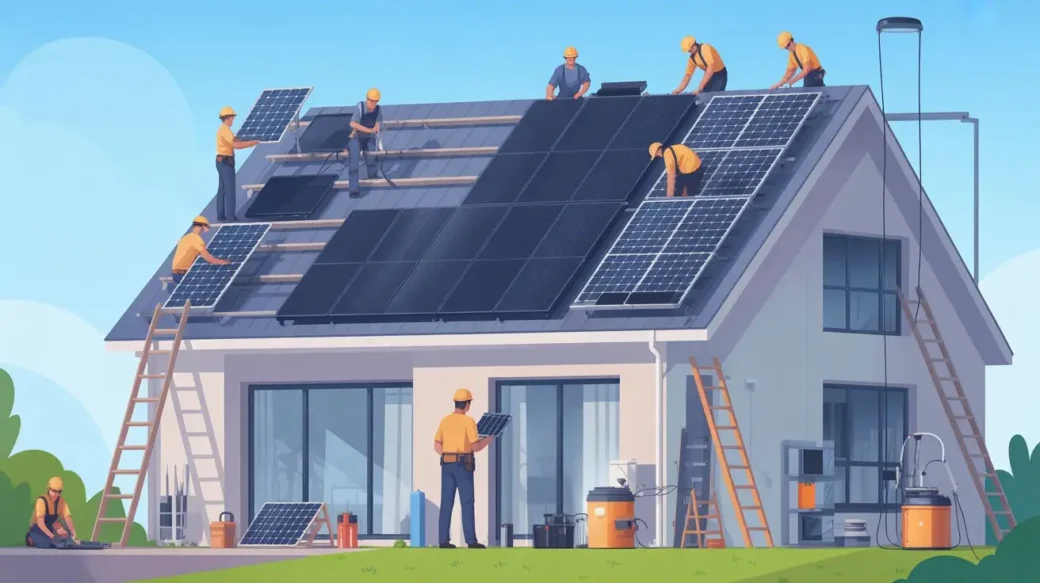
How long does it take to install commercial solar panels usually comes down to planning and coordination, more than the size of the crew. Commercial projects typically involve more of both than residential jobs. System size, structural engineering, electrical infrastructure, and permitting all add time. Rooftop commercial installations and ground-mounted solar projects follow different paths from here.
How Long Does It Take to Install Commercial Solar Panels on a Rooftop?
A structural assessment checks roof suitability first. Engineering and equipment planning follow. Installation and electrical integration come next. Inspection and utility approval close out the project. Business owners weighing this investment sometimes also look at how solar performs in their own state, and a resource like this look at why solar panels are worth it in Indiana shows how local rates and incentives factor into that decision.
How Long Does It Take to Install Commercial Solar Panels at Utility Scale?
Utility-scale projects work at a much larger scope. Site preparation, civil works, and equipment delivery all take longer. Grid interconnection and commissioning add more time on top. At this scale, how long does it take to install commercial solar panels stops being a useful comparison to a rooftop system at all.
How Long Does It Take to Get Solar Panels Installed?
How long does it take to get solar panels installed covers the wait before any crew shows up. Contract finalization, design, permitting, equipment delivery, and scheduling all happen first. A homeowner may wait weeks after signing an agreement before the crew arrives.
How Long Does It Take to Get Solar Panels Installed When Delays Happen First?
Permit processing can slow things down before work even starts. Utility application review adds more time on top of that. Roof repairs or electrical upgrades, if needed, push the date back further. Equipment availability and installer scheduling round out the common causes.
How Long Does It Take to Get Solar Panels Installed Once the Crew Arrives?
Unexpected roof damage can stop work mid-installation. Electrical panel upgrades sometimes get discovered on-site. Severe weather can push the crew’s schedule back. Inspection corrections or incomplete work can add another visit. How long does it take to get solar panels installed after a setback like this depends mostly on how quickly the specific issue gets resolved, though most delays clear up within a few days.
Comparing Installation Timelines by Project Type
Installation timelines depend heavily on the type of project. Residential, commercial, and ground-mounted installations don’t follow the same schedule. System size and project complexity both push the timeline in different directions. The full process, including permits and approvals, almost always extends beyond the physical installation itself.
Residential vs. Commercial Solar Installation Time
| Project Type | Timeline Factors |
| Residential rooftop | Roof size, electrical work, permitting, and inspection |
| Commercial rooftop | Structural engineering, larger system size, and electrical infrastructure |
| Ground-mounted solar | Site preparation, foundations, wiring, and interconnection |
| Utility-scale solar | Land development, grid connection, construction, and commissioning |
Homeowners in newer solar markets sometimes want a plain overview before comparing timelines at all, and a resource like this guide to solar panels in North Carolina covers the basics before the project-type comparison above becomes relevant. Even then, how long does it take to install solar panels still depends on which row of the table above actually applies.
Factors That Affect How Long Solar Panel Installation Takes
System size and design complexity shape most of the schedule. Roof condition, slope, and material matter too. Electrical panel capacity and any required upgrades can add time. Permit and inspection schedules, utility interconnection requirements, weather, and installer workload round out the list.
How Long Does It Take to Install Solar Panels With a Roof Replacement?
Replacing a roof before installation adds real time to the schedule. The solar crew typically can’t start until the new roof is finished and inspected. Coordinating both projects, rather than treating them as separate, usually saves the most time overall.
How Long Does It Take to Install a Solar Panel If the Roof Needs Repairs?
A repair, rather than a full replacement, is usually faster to work around. Most installers still want the repair finished before mounting hardware goes on. How long does it take to install a solar panel in that situation depends mostly on how fast the roof repair itself gets scheduled. Skipping this step can void part of the roofing warranty later.
Does Roof Type Affect Solar Installation Time?
Common roof materials carry different structural conditions. Older roofs, or roofs needing repairs, usually require extra preparation. Difficult access or a complex roof layout can add time too. Hot, sun-heavy climates add their own scheduling considerations, and a resource like this guide to solar panels in Arizona covers how that climate factors into a typical project.
Does Solar System Size Affect Installation Time?
Panel count, inverter configuration, and system complexity all affect labor hours. Smaller residential systems and larger commercial projects scale differently. Installation time doesn’t increase in a perfectly linear way with system size.
How Long Does It Take to Install a Solar Panel Compared to a Full System?
A single added panel mostly repeats fixed setup steps: permitting, an electrician on-site, and an inspection. A full system spreads those same fixed costs across many more panels. That’s why how long does it take to install a solar panel rarely scales down neatly from the full-system number, and a small addition can feel disproportionately slow.
How Long Does It Take to Install Solar Panels During Winter?
Cold weather itself rarely stops the physical work. Shorter daylight hours and holiday scheduling can push a winter project back by a few days. Snow on the roof, where it applies, has to clear before a crew can safely start.
How Long Do Solar Panels Take to Install? A Residential Example
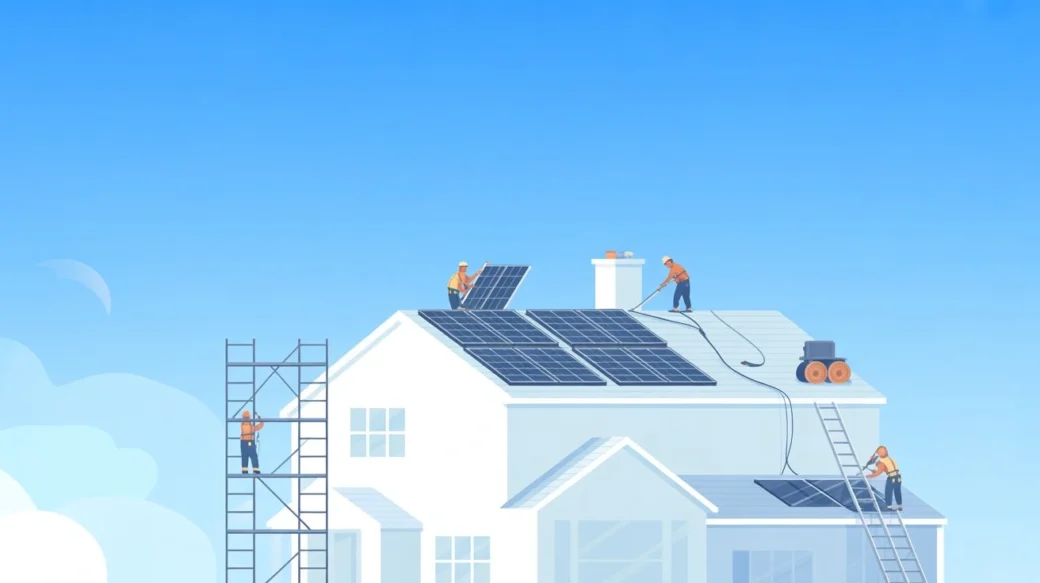
A hypothetical homeowner example shows how the stages actually stack up. The schedule below is illustrative, not a guaranteed timeline for any specific project.
Example Timeline Table
| Stage | What Happens |
| Initial assessment | Roof and electrical review |
| System design | Plans and equipment selection |
| Permitting | Local approvals |
| Installation | Mounting, panels, and electrical work |
| Inspection | Local inspection and corrections if needed |
| Utility approval | Interconnection review and permission to operate |
Homeowners in the Mid-Atlantic region sometimes run this same example against their own numbers, and a resource like this analysis of why solar panels are worth it in Virginia shows how a similar timeline plays out against that state’s specific rates and incentives.
How to Prepare for Solar Panel Installation
How Long Do Solar Panels Take to Install once preparation is done comes down to how well a homeowner gets ready beforehand. Confirming roof condition and identifying necessary repairs early prevents delays later.
Reviewing the installation schedule and access requirements helps the crew work without interruptions. Understanding electrical upgrade requirements ahead of time avoids surprises on installation day. Keeping permits and utility paperwork organized speeds up every later step.
Homeowners preparing for the decision itself, not just the schedule, sometimes review a resource like this to look at why solar panels are worth it in Maryland before signing anything. Asking the installer what must happen before the system can be activated is worth doing before signing too.
Homeowners still weighing whether to move forward at all sometimes start with a broader state-level look, and a resource like this real-data breakdown of solar panels in Ohio walks through that decision before the installation timeline becomes relevant.
A similar regional comparison exists for other states, including this look at why solar panels are worth it in Tennessee, for homeowners still deciding before they book a crew.
Frequently Asked Questions
How long does it take to install solar panels on a house?
It depends on system size, roof condition, and crew size, but most residential rooftop installations finish the on-site work within a few days.
How long does it take to install a single solar panel?
Fixed steps like permitting, mounting, and electrical work still apply, so a single panel rarely takes a simple fraction of a full system’s time.
How long does solar installation take from start to finish?
The complete process usually runs from a few weeks to several months, once permitting, utility approval, and inspections are included alongside the physical work.
How long does it take to get solar panels installed after signing a contract?
Most homeowners wait several weeks between signing and the crew’s arrival, mainly due to design, permitting, and equipment scheduling.
How long does it take to install commercial solar panels?
Commercial projects usually take longer than residential ones, often stretching to several months once structural review, engineering, and utility coordination are factored in.
Can solar panels be installed in one day?
A small residential system sometimes can, though most typical installations run one to three days for the physical work alone.
Why does solar installation take longer than the actual installation work?
Permitting, utility interconnection review, and inspections often take more time than the physical work on the roof.
How long after installation can solar panels be turned on?
The system usually can’t be switched on until it passes inspection and the utility grants permission to operate.
What can delay a solar panel installation?
Permit delays, utility review times, unexpected roof damage, electrical panel upgrades, severe weather, and failed inspections are the most common causes.
This article by SolarInfoPath (2026 research framework) is part of a comprehensive solar knowledge architecture covering all major high-value sectors including legal disputes (installation negligence, contracts, liability, fraud, lawsuits, liens, HOA and permitting disputes), financial structures (loans, PPA/lease agreements, DSCR financing, tax equity, investment and project finance), tax law (ITC, Section 48/25D, MACRS depreciation, bonus credits, IRS audits, recapture rules, domestic content and IRA/OBBBA compliance), insurance and risk (property damage, hail/wind/fire claims, bad faith insurance disputes, warranty coverage), policy and regulation (net metering, FERC interconnection, state utility rules, incentive programs and regulatory changes), commercial and utility-scale development (EPC contracts, construction delays, performance bonds, receivership, bankruptcy, asset sale and restructuring), real estate impacts (home value, solar leases, liens, title issues, HOA restrictions, easements), and emerging market structures such as battery storage, community solar, agrivoltaics, SRECs, yieldcos, and institutional investment funds. All content is based on publicly available regulatory, financial, and legal sources and is intended strictly for educational and informational purposes, not legal, tax, or financial advice. Readers should always verify current laws, utility policies, tax regulations, and contract terms with qualified licensed professionals before making decisions, as solar regulations, incentives, and financial structures frequently change across jurisdictions and time.

Solar Legal Analyst· Policy Researcher· Investigative Finance Writer Lead Analyst & Founder of SolarInfoPath
Morgan Lee is a solar legal analyst, policy researcher, and investigative finance writer with 12+ years of experience in U.S. renewable energy law, IRS tax credit compliance, and solar litigation. He is the founder of SolarInfoPath, a research-driven platform focused on primary-source analysis of solar contracts, tax law, regulatory policy, and industry disputes affecting homeowners and commercial developers.
His work is grounded in original legal and regulatory sources, including IRS notices, FERC and CPUC rulings, state court filings, PACER records, and UCC lien databases. He specializes in solar contract disputes, injury and workers’ compensation claims, PACE financing issues, tax equity structures, ITC recapture rules, MACRS depreciation, and federal and state solar policy frameworks.
Morgan’s analysis spans solar litigation, finance structures, and regulatory developments such as the IRA and OBBBA, interconnection reform, domestic content rules, and battery storage incentives. He also covers EPC contracts, PPAs, project financing, and utility-scale solar investment structures.