
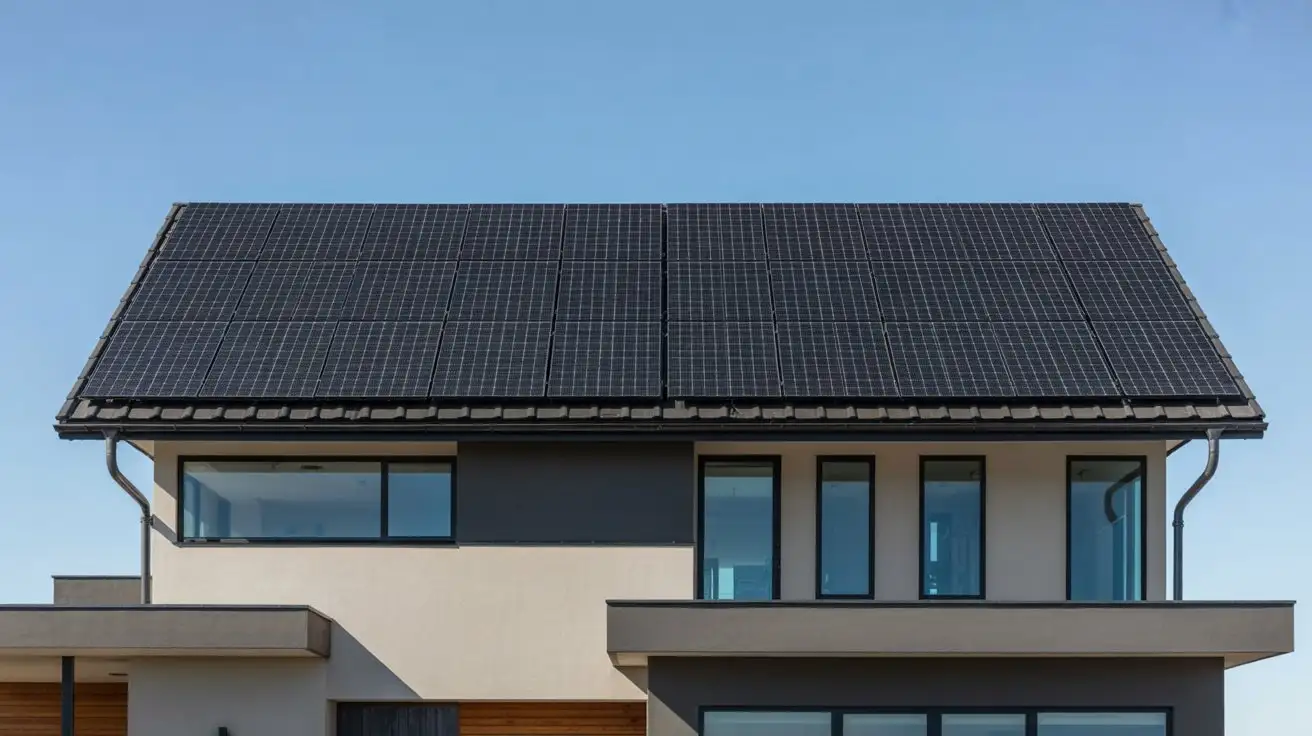
Do Solar Panels Increase Home Value? 2026 State-by-State Guide
Homeowners across California, Massachusetts, Arizona, and Texas are asking a more pointed question these days: Do solar panels increase home value in the USA, and by how much? Electricity rates are climbing in most states and solar systems are appearing in neighborhoods that barely had them five years ago, which makes this a genuinely practical question rather than a theoretical one. The honest answer is yes in most cases, but the size of that increase varies considerably by state, electricity rate, system ownership structure, and local buyer demand.
The most credible research on this question comes from the Lawrence Berkeley National Laboratory, which analyzed home sales across multiple U.S. states and found that solar panels add roughly $4 per watt of installed capacity to a home’s sale price on average. What surprised me most when I started reviewing real transaction data is how consistently that premium holds across very different U.S. markets when the system is owned rather than leased. A typical 6-kilowatt system adds approximately $24,000 in value at that rate before adjusting for local market conditions, and that number shifts meaningfully depending on your state’s electricity rate and buyer awareness of solar savings.
What the Research Actually Shows: Real Data Behind the Value Claim
Most articles about solar and home value cite vague ranges without sourcing them. The research picture is actually more specific and more useful than that general treatment suggests.
Lawrence Berkeley National Laboratory Findings
According to research published by the Lawrence Berkeley National Laboratory, solar homes sell for a premium across U.S. markets. The study analyzed over 22,000 home sales in eight states and found that buyers consistently paid more for homes with owned solar systems. The national average premium works out to approximately 3.5 to 4 percent of the home’s total sale price, depending on system size, age, and local electricity market conditions.
A Zillow analysis of home sales data separately found that homes with solar installations sell for approximately 4.1 percent more than comparable homes without solar. On a $350,000 home, that premium represents roughly $14,350 in additional sale price. On a $500,000 home in a market like Boston or San Jose, the same percentage produces a considerably larger dollar figure.
Why the Premium Varies So Much Between States
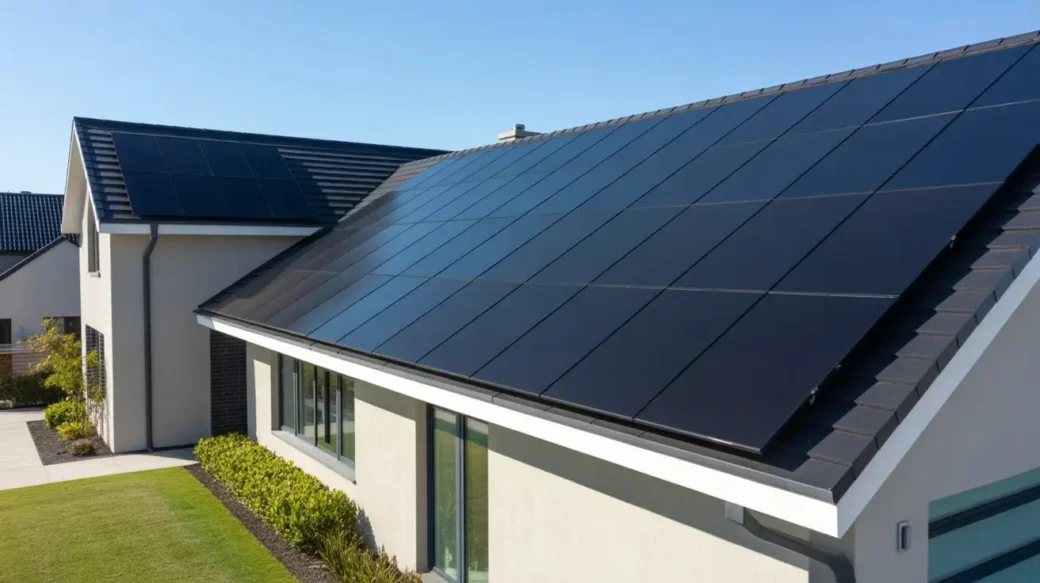
The 4 percent national average masks meaningful state-level variation that matters for your specific home. In high electricity rate states like Massachusetts, California, and New York, the premium tends to run higher because buyers in those markets directly feel the financial relief of lower monthly bills and price that relief into their offers. In lower-rate states like Kansas, Tennessee, and Indiana, the premium still exists but runs closer to the lower end of documented ranges because the monthly savings differential is smaller.
After studying home sale patterns across multiple states, what stood out to me is how much buyer sophistication about solar has improved in the last five years. Homebuyers in Phoenix, Boston, Las Vegas, and Raleigh are now asking specific questions about system size, annual production, and net metering credits during the purchasing process in ways that simply did not happen a decade ago.
For a clear picture of what solar systems produce annually in different U.S. states and how that production translates into real bill savings, how much do solar panels save per year covers the documented numbers across different electricity rate environments.
State by State Home Value Impact: What Solar Actually Adds Across the USA
The dollar value solar adds to your home depends heavily on where you live. Here is a realistic state-level picture based on documented research and current electricity rate data:
| State | Avg Electricity Rate | Est. Value Added | Approx. Percentage Premium | Key Market Notes |
| Massachusetts | $0.25 per kWh | $20,000 to $40,000 | 4.5 to 5.5% | High rates drive strong buyer interest |
| California | $0.28 per kWh | $18,000 to $38,000 | 4.0 to 5.0% | Solar standard in many neighborhoods |
| New York | $0.22 per kWh | $15,000 to $32,000 | 3.8 to 4.8% | NY-Sun program boosts market familiarity |
| New Jersey | $0.17 per kWh | $12,000 to $28,000 | 3.5 to 4.5% | SREC program increases system appeal |
| Arizona | $0.13 per kWh | $10,000 to $25,000 | 3.5 to 4.5% | High production volume strengthens case |
| Nevada | $0.13 per kWh | $10,000 to $22,000 | 3.0 to 4.0% | Strong Las Vegas and Henderson market |
| North Carolina | $0.12 per kWh | $8,000 to $18,000 | 2.8 to 3.8% | Growing buyer awareness in Raleigh and Charlotte |
| Texas | $0.12 per kWh | $8,000 to $20,000 | 2.5 to 3.5% | Large market, high summer production value |
| Ohio | $0.13 per kWh | $7,000 to $16,000 | 2.5 to 3.5% | Columbus and Cincinnati markets growing |
| Georgia | $0.13 per kWh | $7,000 to $15,000 | 2.5 to 3.2% | Atlanta suburban market showing increased interest |
| Kansas | $0.12 per kWh | $4,000 to $10,000 | 1.5 to 2.5% | Lower rates reduce premium size |
One thing people often miss when reading these ranges is that they apply to owned systems. Leased systems follow different rules entirely and can actually complicate a sale rather than add to it.
Owned Systems vs Leased Systems: Why Ownership Structure Changes Everything
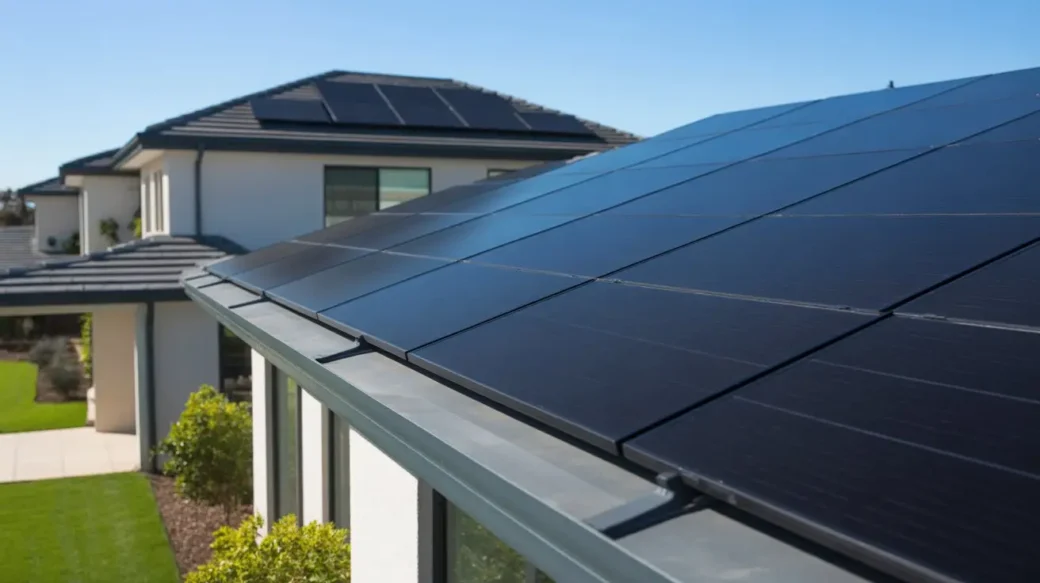
This is where things get tricky and where a lot of homeowners discover something important about their solar situation only when they list their home for sale.
Why Owned Systems Add Value and Leased Systems Often Do Not
An owned solar system transfers to the new buyer with no strings attached. The buyer receives the energy savings, the remaining warranty coverage, and the property tax exemption without assuming any financial obligation beyond the home purchase itself. Real estate agents in Massachusetts, California, and Nevada consistently report that owned systems generate more buyer interest and support higher asking prices than comparable homes without solar.
A leased system creates a very different transaction. The incoming buyer must qualify to assume the lease agreement, agree to the remaining payment terms, and understand the contract obligations before closing. In my experience, looking at how leased systems affect home transactions, some buyers simply walk away from otherwise attractive properties rather than take on an unfamiliar financial obligation they did not seek out.
- Owned systems transfer cleanly with the deed and require no buyer qualification process
- Owned systems support the full documented value premium from Lawrence Berkeley research
- Leased systems require the buyer’s assumption of the remaining lease terms, which can range from 10 to 20 years
- Buyers who are not familiar with solar leases sometimes perceive them as a liability rather than an asset
- Financed systems that are fully paid off before listing perform similarly to cash-purchased systems in buyer perception
To understand the full cost picture of owning versus financing a solar system and what payoff looks like before a potential home sale, solar panels cost for a home in the USA covers the complete ownership cost breakdown honestly.
Property Tax Exemptions: Why Solar Value Gains Do Not Automatically Mean Higher Tax Bills
A legitimate concern for homeowners considering solar is whether the documented value increase triggers a higher annual property tax assessment. Most U.S. states address this directly through solar property tax exemptions.
California, Massachusetts, New York, New Jersey, Nevada, Arizona, North Carolina, Georgia, Ohio, and Indiana all have active property tax exemptions for solar installations. These exemptions mean your home’s increased assessed value from solar does not translate into higher annual property tax payments. You capture the resale value premium when you sell without paying more in property taxes every year while you own the system.
Texas has a property tax exemption for the added value of solar equipment specifically. Kansas has more limited exemption provisions worth verifying at the county level before installation.
For a complete breakdown of what incentives and exemptions your state offers and how they interact with federal programs, are solar panels worth it for homes in the USA covers the full financial picture, including the tax treatment of solar value gains.
What Buyers Are Actually Asking About in 2026
Buyer behavior around solar has shifted meaningfully, and understanding what today’s homebuyers actually want to know helps you position a solar-equipped home effectively.
The Questions Buyers Ask That They Did Not Ask Five Years Ago
After observing how solar-equipped homes sell across different U.S. markets, the buyer questions that come up most consistently now are about net metering credit history, annual production data, inverter age and warranty status, and whether the system is owned or leased. These are not the questions of buyers unfamiliar with solar. They are the questions of buyers who understand solar well enough to evaluate it critically.
Production history matters because it documents what the system actually delivered rather than what it was projected to deliver. Buyers in Phoenix, Raleigh, and Las Vegas increasingly ask to see monitoring app data showing monthly and annual production for the previous one to two years. A system with a documented strong production history is a more compelling asset than a system with no performance record available.
Inverter age and warranty status matter because inverters typically last 12 to 15 years, and replacement costs run $1,000 to $2,500. A system with a recently replaced inverter or a remaining manufacturer’s warranty is more attractive than one approaching the end of inverter life.
To understand how net metering credits work and what documentation buyers should expect to see from a solar-equipped home, is net metering worth it in the USA for homeowners explains the credit structure clearly.
For context on what hidden costs buyers and sellers should factor into solar-equipped home transactions, hidden costs of solar panels in the USA cover the full ownership cost picture, including inverter replacement and maintenance considerations.
Solar vs Other Home Improvements: Where Value Stacks Up
Homeowners often ask whether solar competes favorably with kitchen renovations, bathroom upgrades, or new HVAC systems for resale value. The honest answer is that these improvements serve different buyer motivations, and comparing them directly misses the point.
Kitchen and bathroom renovations improve visual appeal and help a home photograph well for listings. Their value depends heavily on design choices, material quality, and how well they match neighborhood expectations. A high-end kitchen renovation in a modest neighborhood may not recoup its full cost.
Solar improvements affect monthly operating costs for the life of the system. In states like Massachusetts, Nevada, and Arizona, where electricity rates make the monthly savings significant, the operating cost reduction is visible and quantifiable in a way that granite countertops are not. A buyer who calculates $1,800 to $2,400 in annual electricity savings from a well-performing solar system is factoring a real financial benefit into their offer,r regardless of what the kitchen looks like.
I wouldn’t say solar is universally better than traditional renovations because local market conditions and buyer priorities vary too much for that to be true everywhere. What the Lawrence Berkeley data consistently shows is that solar produces a measurable and durable value premium across diverse U.S. markets when the system is owned and performing well.
To understand how solar compares to other residential investments in terms of long term financial return, what is the solar payback period in the USA covers the investment recovery timeline honestly across different states.
Final Thoughts
Do solar panels increase home value in the USA? The research says yes with a consistency that holds across diverse U.S. markets, electricity rate environments, and home price ranges. The Lawrence Berkeley National Laboratory’s analysis of over 22,000 home sales documents a real and measurable premium averaging 3.5 to 4 percent nationally, with higher premiums in high electricity rate states like Massachusetts, California, and New York, where monthly savings are most visible to buyers.
The conditions that make the premium strongest are the same conditions that make solar financially worthwhile during ownership. An owned system, strong production history, a well-maintained inverter, and a state with active net metering combine to create the most compelling package for a future buyer. Taking time to understand how your state’s electricity rate, net metering policy, and local buyer market interact with your specific system gives you the clearest picture of what your solar investment may return when it is time to sell.
FAQs
How much value do solar panels add to a house on average?
The added value varies depending on local market conditions, system size, and electricity costs. Buyers usually focus on projected long-term savings when deciding what premium they are willing to pay.
Does solar increase property value in 2026 compared to past years?
Buyer awareness of energy efficiency and renewable upgrades has grown steadily. Modern buyers are more comfortable reviewing utility bills, monitoring apps, and production estimates than they were in the past.
Do solar panels raise property taxes?
Property tax treatment depends on state policy and local assessment rules. Some states protect homeowners by offering exemptions for renewable energy improvements.
Solar panels add value to a home; how much in Texas?
Texas presents a balanced scenario shaped by strong sunlight and significant cooling demand. Summer electricity usage plays a large role in overall savings potential.
Are leased systems bad for resale?
Ownership structure can influence buyer perception during the selling process. Many buyers prefer clarity and fewer contractual obligations.
What matters most for solar panels’ home resale value impact?
Resale impact is shaped by a combination of financial and physical factors. Buyers look for predictable savings and equipment that appears well-maintained.

Morgan Lee is a homeowner and solar energy researcher based in the United States. After installing a rooftop solar system in 2022 and spending months comparing quotes, incentives, and installer reviews, Morgan realized how confusing and overwhelming the process felt for most American families. That experience led to the creation of SolarInfoPath, a no-pressure, educational platform designed to help U.S. homeowners understand solar energy clearly and confidently. Morgan focuses on practical, research-backed information covering solar costs, installation timelines, federal tax credits, and long-term savings. All content on this site is written from a homeowner’s perspective with the goal of making solar energy simple and accessible for everyday Americans.