Solar Energy in the USA: A Beginner’s Guide for U.S. Homeowners
Electricity bills across the United States have been climbing steadily for years. For millions of homeowners in states like California, Texas, and Florida, monthly power costs have become one of the largest household expenses. That financial pressure is pushing more American families to seriously research solar energy as a long-term solution.
But solar energy is not just about cutting costs. Understanding how solar power works, what it actually costs, and how it fits into a specific home and location is just as important as the savings themselves. This guide is designed to give U.S. homeowners a clear, honest starting point, no sales pressure, no exaggerated promises.
This page was written and reviewed by Morgan Lee, Founder of SolarInfoPath. Learn more about us →
Overview of Solar Energy in U.S. Homes
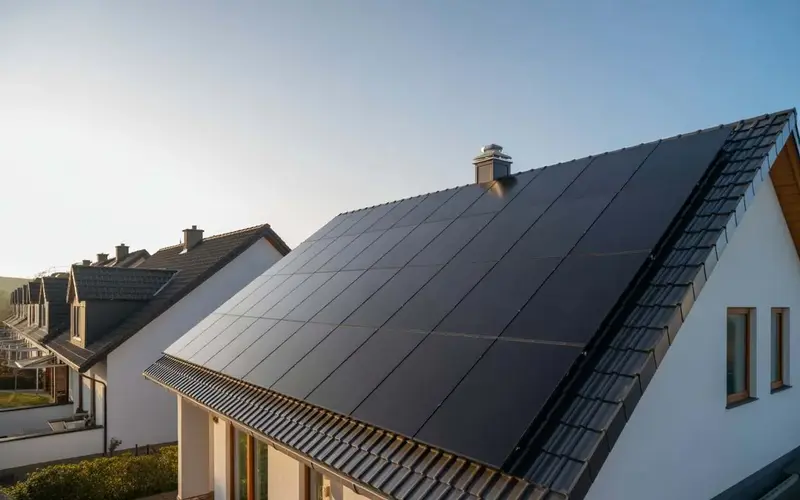
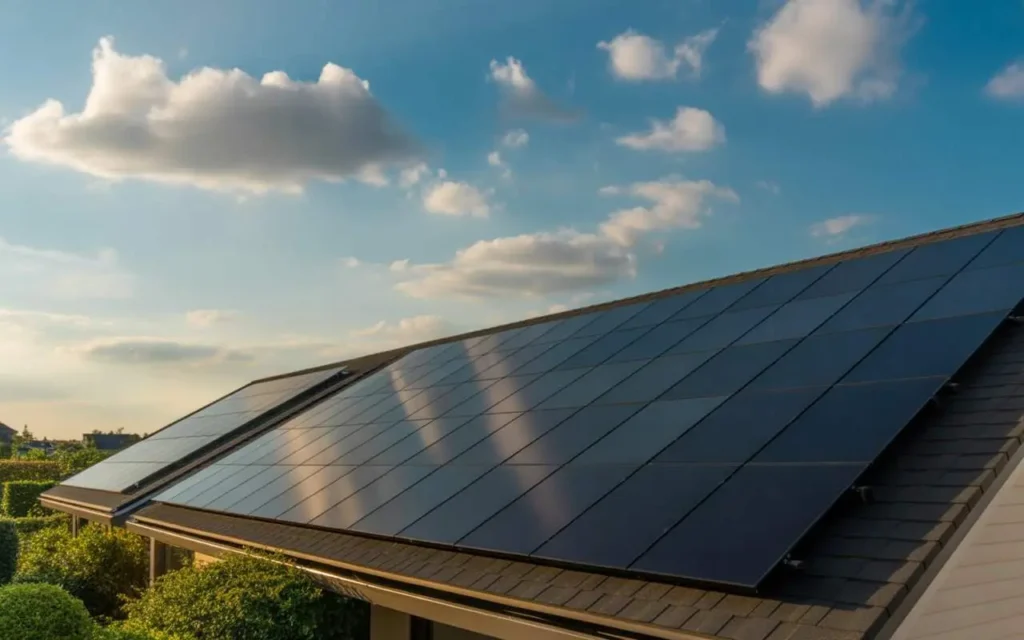
Solar power works by converting sunlight into usable electricity through panels installed on rooftops or on the ground. Most U.S. homes use rooftop systems, which are practical for suburban and urban properties. Ground-mounted systems are more common in rural areas where land space is available.
One important fact that surprises many homeowners is that solar panels do not require constant sunshine to function. Systems installed in states like Massachusetts, Washington, and Oregon, where cloud cover is common, still generate meaningful electricity throughout the year. Modern solar panels are engineered to perform across a wide range of weather conditions, including rain, snow, heat, and wind.
If you are just starting to learn about how solar power actually works, our detailed guide on how solar power works step by step breaks the entire process down in plain language.
Why Solar Energy Matters for American Families

How Solar Energy Works Across American Homes
Most American homeowners who go solar choose between two main setup types, panels mounted on the roof or panels installed on the ground. Rooftop systems are the more popular choice in suburban neighborhoods and cities, simply because space is limited. Ground mounted systems make more sense for rural homeowners who have extra land available and want more flexibility in panel placement.
One thing that surprises a lot of people is how well solar panels hold up across different climates. States like Arizona get plenty of sunshine, but systems installed in cooler and cloudier places like Washington and Massachusetts still produce reliable electricity throughout the year. Today’s panels are built to handle all kinds of weather including rain, snow, summer heat, and strong winds.
If you are just getting started, the most helpful first step is understanding how the technology actually works. Once you see the basic process of sunlight hitting a panel, converting to electricity, and powering your home, the whole idea starts to feel a lot more practical and within reach.
The average U.S. household spends between $1,200 and $1,800 per year on electricity, depending on the state. In high-rate states like California, Connecticut, and Massachusetts, that number can be significantly higher. For families already stretched by rising costs, the appeal of reducing that monthly bill is straightforward.
Beyond the financial side, solar energy produces electricity without burning fossil fuels. A typical residential solar system can offset approximately 3 to 4 tons of carbon emissions every year, the rough equivalent of planting more than 100 trees annually. For homeowners who care about both their budget and their environmental footprint, that combination carries real weight.
Federal tax credits and state-level incentive programs exist specifically to help homeowners offset the upfront cost of going solar. These programs vary significantly by state and individual situation, so understanding what is actually available in your location is an important first step. You can find detailed information about available programs in our Solar Costs and Incentives section.
Common Misunderstandings About Solar in the USA
Several persistent misconceptions keep homeowners from exploring solar energy seriously. Here are the most common ones worth addressing directly.
Misconception 1 — Solar is too expensive for most homeowners. Solar panel costs have dropped dramatically over the past decade. The actual cost depends on system size, household energy usage, roof type, and location. Federal tax credits currently allow eligible homeowners to deduct a significant percentage of installation costs from their federal taxes. Our full breakdown of solar panel costs for U.S. homes covers what homeowners are actually paying in 2026.
Misconception 2 — Solar panels only work in sunny states. This is one of the most widespread myths about solar energy. Germany, one of the cloudiest countries in the world, is among the global leaders in solar energy adoption. Systems installed in the Pacific Northwest, New England, and the Midwest consistently generate enough electricity to be financially worthwhile for homeowners. What matters more than sunshine is the local electricity rate and available incentives. Read our detailed look at common myths about solar panels for a full breakdown.
Misconception 3 — Solar maintenance is complicated and risky. Modern solar systems have no moving parts and require very little ongoing maintenance. In most parts of the United States, rainfall is sufficient to keep panels clean. Periodic visual inspections and occasional professional check-ups are generally all that is needed to keep a system running efficiently for decades.
How Solar Energy Affects U.S. Utility Bills

When a solar system is installed on a home, it generates electricity directly from sunlight during daylight hours. That electricity powers the home first. Any excess electricity produced gets sent back to the grid, and in states with net metering programs, homeowners receive credits on their utility bills for that surplus power.
The actual reduction in monthly bills depends on several factors: how much electricity the household uses, how many peak sun hours the location receives, the size of the solar system installed, and the local utility’s rate structure. Homeowners in states with higher electricity rates generally see stronger financial results from solar.
To understand what realistic savings look like, our article on how much you can save with solar panels per month in the USA walks through the numbers honestly without overpromising.
The Real Cost of Owning Solar Panels Long Term
One aspect of solar ownership that does not get discussed enough is how low the ongoing costs actually are once a system is installed. Unlike a car or a household appliance, solar panels have no engine, no moving components, and no parts that wear out quickly. Most quality panels carry warranties of 25 years or longer.
The main long-term costs homeowners should be aware of are inverter replacement, typically needed once during the life of the system, and occasional professional inspections. These costs are generally modest compared to the electricity savings accumulated over the same period.
Understanding the full picture of what solar costs over time, including the hidden costs many installers do not mention upfront, is essential before making any decision. Our guide on hidden solar panel costs in the USA covers exactly what to watch for.
Environmental Benefits of Solar Energy in the USA
Solar energy produces electricity without emitting greenhouse gases during operation. Over the full lifespan of a residential solar system, typically 25 to 30 years, the clean electricity generated significantly offsets the carbon emissions that would have been produced by drawing the same amount of power from fossil fuel sources.
The environmental case for solar is well documented by organizations including the U.S. Department of Energy and the National Renewable Energy Laboratory. For homeowners who want to reduce their household’s environmental footprint while also managing energy costs, solar represents one of the most practical options available today.
For a detailed look at how solar panels affect the environment, including both the benefits and the honest limitations, read our full article on the environmental impact of solar panels for U.S. homes.
Is Solar Worth It for Your Home?
This is the question most homeowners are really asking when they start researching solar. The answer is genuinely different depending on where you live, how much electricity your household uses, the condition and orientation of your roof, and which incentive programs are available in your state.
There is no single answer that applies to every homeowner. What matters is having accurate, location-specific information so you can evaluate the decision based on your actual situation rather than a national average or a sales pitch.
Our article on whether solar panels are worth it for U.S. homes walks through the key factors that determine whether solar makes financial sense for a specific household.
What SolarInfoPath Covers
SolarInfoPath publishes educational content specifically for U.S. homeowners who want to understand solar energy before making any decisions. Every article on this site is researched and reviewed by Morgan Lee, the founder of SolarInfoPath, with the goal of providing honest, accurate information without any connection to solar installers, manufacturers, or financing companies.
Topics covered on this site include:
- What is solar energy, and how does it work
- Types of solar panels and how to compare them
- Solar panel costs for U.S. homes in 2026
- How the federal solar tax credit works
- Who is eligible for solar incentives in the USA
- What the solar payback period looks like
- Is net metering worth it for homeowners
- Are solar panels safe for homes
- How long solar installation take in America
Browse all published articles on the SolarInfoPath Blogs page.
About the Author
Morgan Lee is the founder and lead researcher at SolarInfoPath. After personally going through the process of evaluating and installing a rooftop solar system, Morgan recognized how difficult it was to find honest, straightforward solar information that was not connected to someone trying to sell something. SolarInfoPath was built to fill that gap — providing clear, research-backed solar education for U.S. homeowners with no installer affiliations, no lead generation, and no sales pressure.
Read more about Morgan Lee and SolarInfoPath →
A Final Note
Solar energy is one of the most significant home decisions an American family can make. It deserves careful research, honest information, and time to evaluate properly. SolarInfoPath exists to support that process, not to rush it.
Whether you are just starting to wonder if solar makes sense for your home or you are already comparing quotes and trying to make sense of conflicting information, everything published on this site is written to help you make a fully informed decision on your own terms.
Explore our Solar Panel Installation Guide and Solar Costs and Incentives section to continue learning.