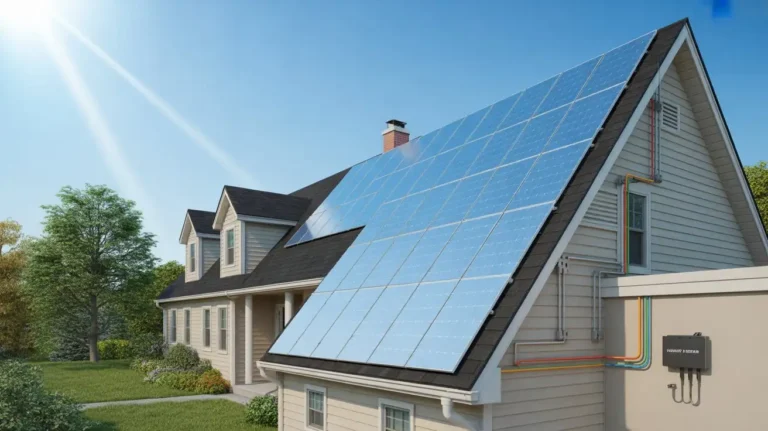
Why Solar Panels Are Worth It in Nevada: A Real Homeowner’s Perspective
Why solar panels are worth it in Nevada becomes clear the moment you look at two numbers side by side: 6.3 peak sun hours per day in Las Vegas and an NV Energy electricity rate of $0.12 to $0.14 per kWh. Nevada leads the continental United States in solar irradiance, meaning your panels produce more electricity per installed watt here than in almost any other state. Las Vegas, Henderson, and Sparks sit in a production zone that solar installers across the country genuinely envy, and even northern cities like Reno and Carson City average a strong 5.5 to 5.8 peak sun hours daily. That production advantage alone puts Nevada homeowners ahead of most of the country before a single incentive is even applied.
What makes Nevada’s solar case stronger than the raw sun numbers suggest is the state’s layered incentive structure. Nevada exempts solar equipment from state sales tax at the point of purchase, saving homeowners several hundred to over a thousand dollars upfront depending on system size. The state also permanently exempts the added home value created by a solar installation from property tax assessment, meaning your annual tax bill does not rise even as your home’s appraised value increases.
Stack those two state-level benefits on top of the federal 30% Investment Tax Credit, and the effective out-of-pocket cost for a standard 6 kW system in Nevada drops significantly below the sticker price. For most homeowners in Las Vegas, Henderson, Reno, or Sparks, the realistic payback period under current conditions runs between 7 and 9 years, followed by 16 to 18 years of near-free electricity within the standard 25-year panel warranty.
Nevada’s Sun Hours Make the Solar Math Work
What the Desert Climate Means for Your Panels
Nevada averages around 5.5 to 6.5 peak sun hours per day depending on where you live, and that number matters more than almost anything else when calculating what your system will actually produce. Las Vegas sits in the Mojave Desert and consistently records some of the highest solar irradiance in the entire United States. A typical 6 kilowatt system in Las Vegas or Henderson can realistically generate 9,000 to 10,500 kilowatt-hours per year, enough to cover or significantly offset what most Nevada households consume annually.
Reno and Carson City in northern Nevada see slightly lower sun hours than Las Vegas, but they still pull exceptional numbers compared to most other states. You may notice that winter production dips a bit in Reno because of occasional snow and more cloud cover, but even those colder months deliver solid output because Nevada’s air is so dry and clear year-round.
How Northern and Southern Nevada Compare
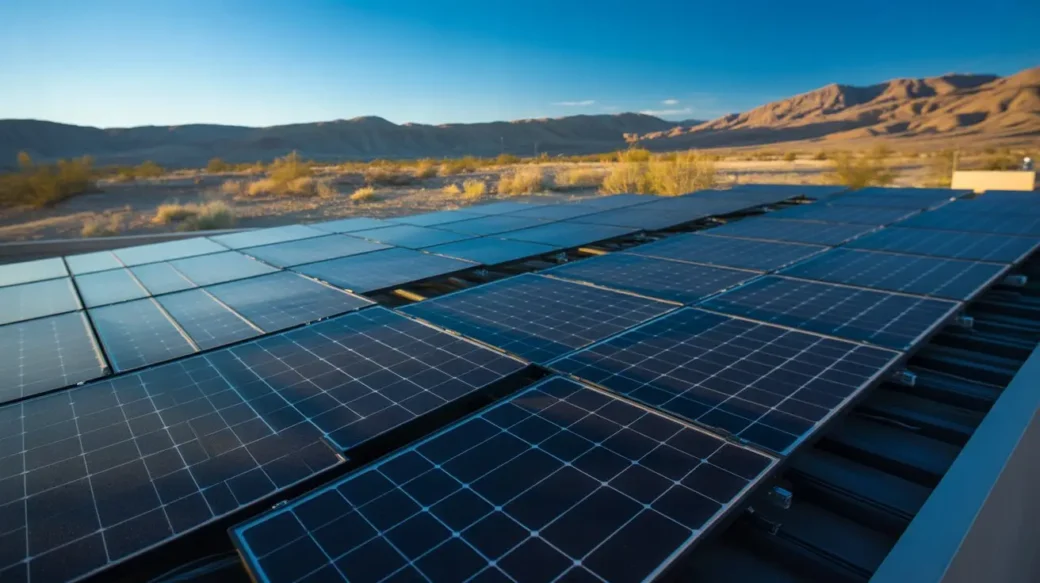
From my point of view, this is where understanding why solar panels are worth it in Nevada requires looking at the state’s geography. Southern Nevada, Las Vegas, Henderson, Boulder City, and Pahrump experience some of the most consistent solar production in the country with minimal seasonal variation. Northern Nevada, Reno, Sparks, Carson City, and Elko see more temperature swings and occasional winter weather that can temporarily reduce output, but the annual production numbers still support strong solar economics.
What surprised me when I first looked closely at Nevada’s data is just how stable production stays even in the northern part of the state. If you pay attention to your monthly output, you’ll see that clear, cold winter days in Reno can actually produce excellent solar numbers because panels operate more efficiently in cooler temperatures.
How Nevada’s Net Metering Policy Affects Your Electric Bill
Understanding NV Energy’s Export Credit System
Nevada’s net metering situation has changed several times over the past decade, and one thing people often miss is that the current policy matters significantly for your long-term savings. NV Energy offers net metering to residential solar customers, but the export credit rate you receive for excess energy sent back to the grid is lower than the retail rate you pay when pulling power from the grid. This means maximizing self-consumption using your solar energy directly rather than exporting it, which delivers the best financial benefit.
This is where things get tricky for Nevada homeowners. I’ve seen people in Summerlin and Spring Valley significantly improve their effective savings just by shifting heavy electricity use to daytime hours when their panels are producing at full capacity. Running your dishwasher, laundry, and air conditioning during peak solar hours means you’re using that electricity yourself rather than exporting it at reduced rates.
Why Timing Your Usage Matters in Nevada
If you work from home in Henderson or North Las Vegas and run your air conditioning during the day, you’re consuming most of your solar production directly, which is the ideal scenario under Nevada’s current net metering structure. If your home sits empty during the day and all your heavy usage happens in the evening, more of your production gets exported at lower compensation rates. Understanding solar benefits and drawbacks in Nevada compared to other states helps you see where Nevada’s policy stands nationally.
City-by-City Solar Snapshot: Nevada Homeowner Data
Solar potential and savings aren’t identical across Nevada. Here’s a look at how things vary across major cities in the state.
| City | Avg Peak Sun Hours/Day | Avg System Cost (6 kW) | Est. Annual Savings | Payback Period (Est.) |
| Las Vegas | 6.5 hrs | $13,500 – $16,500 | $900 – $1,350 | 9 – 12 years |
| Henderson | 6.4 hrs | $13,500 – $16,500 | $850 – $1,300 | 9 – 13 years |
| Reno | 5.7 hrs | $13,000 – $16,000 | $750 – $1,150 | 10 – 14 years |
| Sparks | 5.6 hrs | $13,000 – $16,000 | $700 – $1,100 | 11 – 14 years |
| Carson City | 5.8 hrs | $13,000 – $16,000 | $750 – $1,200 | 10 – 13 years |
| Pahrump | 6.3 hrs | $12,500 – $15,500 | $800 – $1,250 | 10 – 13 years |
Estimates based on average Nevada utility rates and solar production data. Actual results vary by roof orientation, shading, system size, and NV Energy rate plan.
Reasons to Get Solar in Nevada Beyond Just Bill Savings
Home Value and Property Benefits for Nevada Homeowners
The financial case is what most people think about first, but I tend to look at it this way: the reasons to get solar in Nevada go in several different directions at once. Home value is a real consideration. Research consistently shows that solar installations increase property values in strong solar markets, and Nevada clearly qualifies as one of them. The Las Vegas and Reno housing markets have both seen significant appreciation in recent years, and solar adds measurable value when you eventually sell.
If you’re curious how this plays out at the transaction level, understanding why solar panels are worth it in neighbouring Arizona shows similar patterns in desert states with strong sun resources. Nevada homeowners benefit from the same fundamental dynamics — high sun exposure, rising electricity costs, and increasing buyer interest in homes with solar already installed.
The Environmental Case for Solar in Nevada
According to the U.S. Department of Energy, residential solar adoption is one of the most direct ways homeowners can reduce their household carbon footprint. In Nevada, where the grid still relies heavily on natural gas generation and some remaining coal capacity, every kilowatt-hour your panels produce is one less pulled from fossil fuel sources. That’s a genuine environmental benefit for your state, not just your individual home.
My opinion is that understanding solar panels good for Nevada’s environment, matters more than people realize. Las Vegas and Reno have both grown enormously over the past two decades, and that population growth puts sustained pressure on the electrical grid. When enough homes in neighborhoods like Summerlin, Anthem, and Spanish Springs generate their own daytime power, it reduces peak demand on the regional grid during the hottest summer afternoons.
Why Install Solar Panels in Nevada: Federal and State Incentives
The 30% Federal Tax Credit Still Applies
The federal Investment Tax Credit (ITC) remains the most powerful financial tool available to Nevada homeowners going solar right now. At 30%, it directly reduces your federal tax liability based on your total installed system cost. On a $15,000 system, that’s $4,500 back when you file your federal taxes. This applies whether you’re in Las Vegas, Reno, Elko, or anywhere else across Nevada, as long as you own the system outright rather than lease it.
I wouldn’t say it’s a perfect incentive structure — the credit only helps if you have enough federal tax liability to use it, and it’s a tax credit rather than a direct refund. But for most Nevada homeowners with steady income, the ITC meaningfully reduces the upfront cost of going solar. If you’re concerned about timing and future policy changes, looking at when the solar tax credit might be ending helps you plan your installation timeline strategically.
Nevada’s State-Level Solar Landscape
Nevada doesn’t currently offer a large state-level rebate program the way some states do, which means the financial case here leans heavily on the federal tax credit and your long-term electricity bill savings. The state does have property tax and sales tax exemptions for solar installations, which prevent your home’s assessed value from increasing due to your solar system and exempt solar equipment from state sales tax. These aren’t direct cash incentives, but they do reduce your overall cost.
How Nevada’s Climate Affects Year-Round Solar Production
Summer Heat and Panel Efficiency
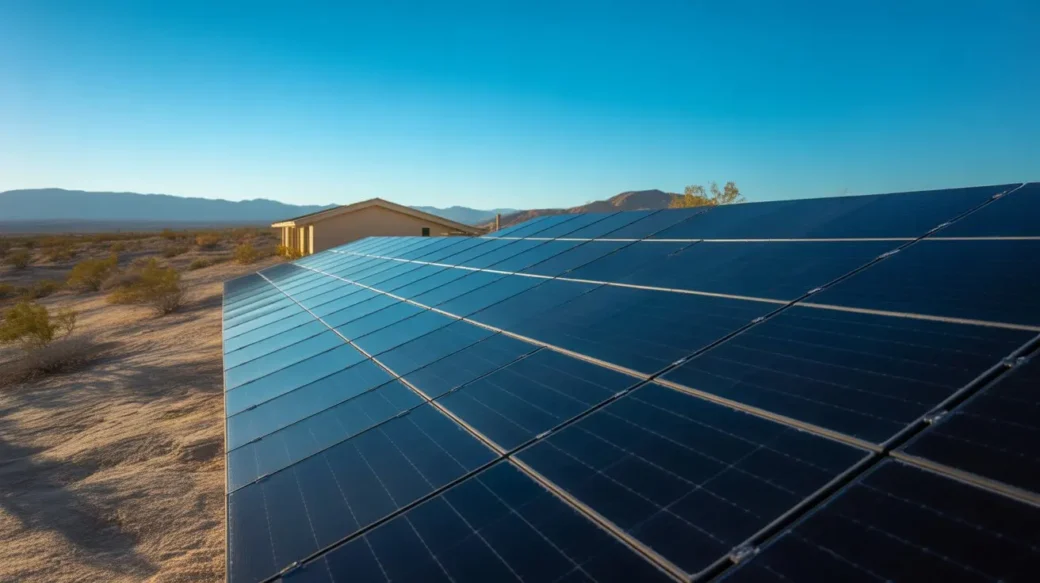
What surprised me about Nevada solar is that extreme summer heat, which Las Vegas and Henderson experience regularly, actually reduces panel efficiency slightly. Solar panels operate most efficiently at cooler temperatures, so a 115-degree day in July produces slightly less per panel than a 75-degree spring day with the same sun intensity. The impact isn’t huge, maybe 5% to 10% efficiency drop on the hottest days, but it’s worth understanding as part of your production expectations.
That said, Nevada’s summer sun is so intense and consistent that even with the heat efficiency loss, your panels produce exceptional output from May through September. You may notice your highest production months are actually late spring and early fall when temperatures moderate but sun intensity stays high.
Winter Production in Reno vs. Las Vegas
Winter production differences within Nevada are genuinely worth understanding when evaluating why solar panels are worth it in Nevada. Las Vegas, Henderson, and southern Nevada rarely see snow and maintain strong production even in December and January. Reno, Sparks, and Carson City can get occasional snowfall that temporarily covers panels and stops production until it melts or slides off. The gap isn’t enormous, maybe 15% to 20% less annual production in Reno compared to Las Vegas, but it does affect your payback timeline.
If you want to understand the cost breakdown for your specific Nevada location, using a solar panel cost calculator by zip code gives you a realistic estimate based on your city’s sun hours and local installation costs.
Final Thoughts
Few states in the country have a homeowner as clean a solar calculation as Nevada does. The sun hours are exceptional, the state incentives are genuine, and the federal tax credit applies here without any state income tax complications that could create unexpected interactions. A 6 kW system producing 13,000 to 15,000 kWh annually in Las Vegas or Reno covers most average Nevada households completely, and understanding why solar panels are worth it in Nevada ultimately comes down to recognizing that the three-layer financial advantage, federal credit, sales tax exemption, and property tax protection, is not something most states can replicate simultaneously.
One honest detail worth understanding before you contact any installer is how NV Energy’s current net metering policy affects system sizing. The state reduced its net metering compensation rate from full retail in recent years, which means producing large surpluses that earn reduced credits is less financially efficient than sizing your system to cover roughly 90 to 100 percent of your actual usage. Get that sizing right, apply every available incentive honestly, and Nevada delivers one of the most reliable long-term returns of any major home investment available to you today. The electricity rates here are only going in one direction, and the sun is not going anywhere.
Frequently Asked Questions
Do Nevada homeowners qualify for the federal solar tax credit?
Yes, Nevada homeowners who purchase and own their solar system qualify for the 30% federal Investment Tax Credit. The credit applies to your federal tax liability and is available statewide, whether you’re in Las Vegas, Reno, or rural Nevada.
What is the average payback period for solar in Nevada?
Most Nevada homeowners see an estimated payback period between 9 and 14 years, depending on their location, system size, and electricity usage patterns. Las Vegas and Henderson homes generally reach payback faster than Reno homes due to higher sun hours and more consistent year-round production.
Does Nevada offer any state solar incentive programs?
Nevada doesn’t currently have a large state rebate program, but the state does offer property tax and sales tax exemptions for solar installations. These prevent your property assessment from increasing and exempt solar equipment from state sales tax, reducing your overall system cost.
How does net metering work for Nevada homeowners with NV Energy?
Net metering in Nevada credits your account for excess solar energy exported to the grid, but the export rate is lower than the retail rate you pay for electricity. In my experience, maximizing self-consumption by using power during the day delivers better financial results than exporting excess energy.
Is solar worth it in northern Nevada cities like Reno and Sparks?
Yes, though the payback period is typically longer than in Las Vegas due to slightly lower sun hours and occasional winter snow. Reno and Sparks still average 5.6 to 5.7 peak sun hours daily, which is well above the national average and supports solid solar economics.
How does Nevada’s summer heat affect solar panel performance?
Extreme heat reduces panel efficiency slightly, maybe 5% to 10% on 115-degree days, because solar panels operate more efficiently in cooler temperatures. However, Nevada’s intense summer sun is so consistent that production stays exceptionally strong even with the heat-related efficiency loss.

Morgan Lee is a homeowner and solar energy researcher based in the United States. After installing a rooftop solar system in 2022 and spending months comparing quotes, incentives, and installer reviews, Morgan realized how confusing and overwhelming the process felt for most American families. That experience led to the creation of SolarInfoPath, a no-pressure, educational platform designed to help U.S. homeowners understand solar energy clearly and confidently. Morgan focuses on practical, research-backed information covering solar costs, installation timelines, federal tax credits, and long-term savings. All content on this site is written from a homeowner’s perspective with the goal of making solar energy simple and accessible for everyday Americans.