Why Solar Panels Are Worth It in Arizona (2026 Homeowner’s Guide)
Arizona gets between 6.5 and 7.5 peak sun hours per day in Phoenix, Tucson, Scottsdale, Mesa, and Chandler. No other major population state in the continental United States comes close to that figure. That production advantage is the foundation of why solar panels are worth it in Arizona — more sun hours per day means more electricity produced per panel, which means faster payback and larger lifetime savings than homeowners in most other states can achieve with identical equipment. Arizona Public Service and Salt River Project, the two utilities serving the overwhelming majority of Arizona homes, charge between $0.12 and $0.14 per kWh under standard residential rates, though APS demand charges push real costs higher for many households in ways most simplified guides do not address.
Arizona also offers four separate financial incentives simultaneously: the 30% federal ITC, a state income tax credit of up to $1,000, a full sales tax exemption on solar equipment, and a permanent property tax exemption on the added home value solar creates. Very few states match all four at once.
Arizona’s Sun Hours Make the Solar Math Pretty Simple
What Peak Sun Hours Actually Mean for Your Roof
Arizona averages around 5.5 to 6.5 peak sun hours per day, depending on where you live, and that number matters more than almost anything else when calculating what your panels will actually produce. Phoenix and Scottsdale consistently rank among the highest solar irradiance locations in the entire country. A 6 kilowatt system in Phoenix can realistically generate 9,000 to 10,000 kilowatt-hours per year, enough to cover or significantly offset what the average Arizona household consumes annually.
How Flagstaff and Tucson Compare to Phoenix
From my point of view, this is where Arizona truly separates itself from most other states. You may notice that Flagstaff sits at a higher elevation and sees occasional winter snow, but its clear, dry air still delivers strong annual solar production numbers. Tucson runs close behind Phoenix, and even smaller cities like Yuma pull exceptional sun hour averages that make rooftop solar a genuinely reliable energy source year-round.
How Arizona’s Net Metering Policy Affects Your Electricity Bill
The Difference Between APS, TEP, and SRP
Arizona’s net metering situation has changed meaningfully over the past decade, and one thing people often miss is that your utility provider matters just as much as your panel count. Arizona Public Service (APS) and Tucson Electric Power (TEP) both offer export compensation, but it’s no longer a simple one-to-one retail credit. Mesa residents served by Salt River Project (SRP) operate under a demand-based pricing model that changes the solar savings math in a significant way.
Why Self-Consumption Strategy Matters Here
This is where things get tricky for a lot of Arizona homeowners. I’ve seen homeowners in Tempe and Gilbert improve their effective savings considerably just by running dishwashers, laundry, and air conditioning during peak solar hours rather than exporting unused power at reduced rates. If you want to see how Arizona’s export policy compares nationally, it’s worth looking at how solar benefits and drawbacks vary by state before finalizing any decisions about your system.
City-by-City Solar Snapshot: Arizona Homeowner Data
Solar potential and savings aren’t identical across the state. Here’s a look at how things vary across major Arizona cities.
| City | Avg Peak Sun Hours/Day | Avg System Cost (6 kW) | Est. Annual Savings | Payback Period (Est.) |
| Phoenix | 6.5 hrs | $14,000 – $17,000 | $900 – $1,400 | 9 – 13 years |
| Tucson | 6.2 hrs | $13,500 – $16,500 | $850 – $1,300 | 10 – 13 years |
| Scottsdale | 6.5 hrs | $14,500 – $17,500 | $950 – $1,450 | 9 – 12 years |
| Mesa (SRP) | 6.3 hrs | $14,000 – $17,000 | $700 – $1,100 | 11 – 15 years |
| Flagstaff | 5.5 hrs | $13,000 – $16,000 | $750 – $1,100 | 11 – 14 years |
| Gilbert | 6.4 hrs | $14,000 – $17,000 | $900 – $1,350 | 9 – 13 years |
Estimates based on average Arizona utility rates and solar production data. Actual results vary by roof type, shading, system size, and local utility rate structure.
Reasons to Get Solar in Arizona Beyond Just the Electric Bill
Home Value and Long-Term Property Benefits
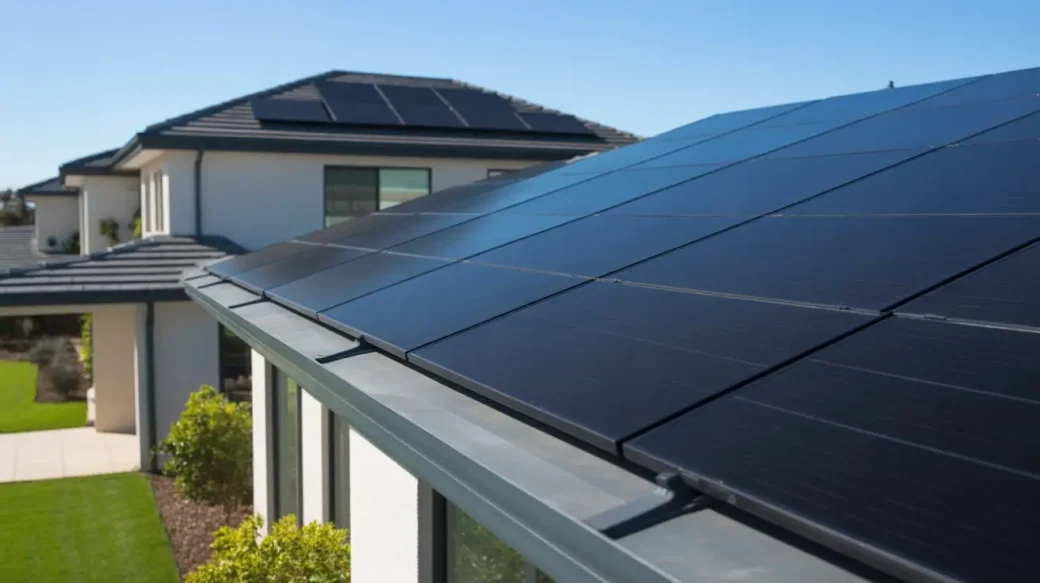
The financial case is the most obvious entry point, but I tend to look at it this way: the reasons to get solar in Arizona stretch well beyond your monthly statement. Research consistently shows that solar installations increase property values in states with strong solar markets, and Arizona clearly qualifies as one of them. If you’re curious how this plays out when you eventually sell your home, understanding how solar panels affect home value is worth your time before you make any final decisions.
The Environmental Case for Arizona Solar
According to the U.S. Department of Energy, residential solar adoption is one of the most direct ways homeowners can reduce their household carbon footprint. In Arizona, where grid demand peaks aggressively every summer, and the system leans heavily on natural gas generation, rooftop solar in neighbourhoods like Ahwatukee and Queen Creek genuinely helps reduce strain on the broader regional grid. My opinion is that this community-level benefit often gets overlooked in favour of the bill savings conversation, but it’s a real and meaningful reason to consider solar panels good for Arizona’s environment.
Why Install Solar Panels in Arizona: Federal and State Incentives
The 30% Federal Tax Credit Still Applies
The federal Investment Tax Credit (ITC) remains the most powerful financial tool available to Arizona homeowners going solar right now. At 30%, it directly reduces your federal tax liability, on a $15,000 system, that’s $4,500 back in your pocket come tax season. This applies whether you’re in Chandler, Peoria, Yuma, or anywhere else across the state, as long as you own the system outright rather than lease it.
Arizona’s State-Level Solar Credit
Arizona also offers a Residential Solar Energy Tax Credit worth 25% of your installation costs, capped at $1,000. I wouldn’t say it’s a perfect incentive package compared to what some other states have built, but combined with the federal credit, it does meaningfully reduce your upfront cost. To get a realistic sense of what your specific system would cost after incentives, using a solar panel cost calculator by zip code tailored to Arizona can give you a much clearer starting point.
What Arizona’s Climate Means for Year-Round Solar Production
Monsoon Season and Dust: The Real Impact
What surprised me when I first started paying close attention to Arizona’s solar data is just how consistent production stays throughout the year. The summer monsoon season — roughly July through September — does bring dust storms and cloud cover that can temporarily reduce output for your panels. However, the annual impact is relatively minor because the other nine months in cities like Scottsdale, Gilbert, and Tucson are exceptionally clear and dry.
How Seasonal Patterns Affect Your Savings Math
If you pay attention to your production data month by month, you’ll likely notice that winter months still deliver solid output in Arizona, far better than what homeowners in northern states experience during the same period. That production consistency is genuinely one of the strongest arguments for solar in this state. To understand what that steady production translates to in real dollar savings over a full year, reviewing how much solar panels typically save per year for Arizona homes gives you a grounded, realistic picture.
Final Thoughts
The financial case in Arizona is strong by almost any honest measure, and why solar panels are worth it in Arizona in today’s market gets clearest when you factor in net metering timing. APS has been reducing the compensation rate for surplus electricity from new solar customers through successive regulatory proceedings. The terms available to customers who install today are more favourable than what future customers may receive. That is not a sales pressure argument; it is a documented regulatory trend that makes the timing of an Arizona installation financially relevant in a way it is not in most states.
One area that genuinely requires your attention before signing anything is your APS rate structure. If you are on a rate plan with demand charges, your solar savings calculation is more complex than a simple kilowatt-hour rate comparison. APS demand charges are based on your peak consumption in any 15-minute window during the month, not total usage, and that affects how much your solar system actually reduces your bill. Understand your specific rate plan before evaluating any quote. Beyond that, the sun here is the best in the country, and the four-layer incentive stack is real. Arizona solar, done with the right information, is one of the best home investments available in the current market.
Frequently Asked Questions
Do Arizona homeowners qualify for the federal solar tax credit?
Yes, Arizona homeowners who own their system qualify for the 30% federal ITC, which directly reduces your federal tax liability. The credit applies across the state, whether you’re in Phoenix, Tucson, or Prescott.
What is the average payback period for solar in Arizona?
Most Arizona homeowners see an estimated payback period between 9 and 14 years, depending on their utility provider and system size. APS customers in Phoenix and Scottsdale generally reach payback faster than SRP customers in Mesa.
Is solar worth it for Arizona homeowners served by SRP?
Solar still works for SRP customers, but SRP’s demand-based rate model requires more careful system sizing and consumption planning. In my experience, the self-consumption strategy matters more for SRP homes than for APS or TEP customers.
How does Arizona’s monsoon season affect solar output?
The monsoon season from July through September brings temporary cloud cover and dust that can briefly reduce production. You may notice short dips during storm days, but the overall annual impact on your system’s output is relatively small.
Does Arizona offer any state solar incentives beyond the federal credit?
Yes, Arizona’s Residential Solar Energy Tax Credit offers 25% of installation costs up to a $1,000 cap. It’s a helpful reduction, though more modest than the federal ITC that applies to all Arizona homeowners who own their system.
How do Arizona’s peak sun hours compare to the U.S. average?
Arizona averages 5.5 to 6.5 peak sun hours daily, well above the U.S. national average of around 4 to 4.5 hours. Phoenix and Scottsdale rank among the highest in the country, making Arizona one of the strongest solar states for consistent year-round production.

Morgan Lee is a homeowner and solar energy researcher based in the United States. After installing a rooftop solar system in 2022 and spending months comparing quotes, incentives, and installer reviews, Morgan realized how confusing and overwhelming the process felt for most American families. That experience led to the creation of SolarInfoPath, a no-pressure, educational platform designed to help U.S. homeowners understand solar energy clearly and confidently. Morgan focuses on practical, research-backed information covering solar costs, installation timelines, federal tax credits, and long-term savings. All content on this site is written from a homeowner’s perspective with the goal of making solar energy simple and accessible for everyday Americans.