Solar Panels Explained Simply Nevada: What Every Homeowner Should Know
If you live in Nevada, the sun is genuinely one of your biggest financial assets, and most homeowners don’t fully realize it. Solar panels explained simply Nevada starts with one honest fact: this state averages $0.12 to $0.14 per kWh through NV Energy, and with peak sun hours ranging from 5.5 to 6.3 daily across the state, understanding how solar works here is absolutely worth your time. I think once you strip away the technical noise, the basics become pretty clear for any Nevada resident willing to spend a few minutes on it.
What surprises most people is how straightforward solar actually is once you break it down in solar panels simple Nevada terms. This guide covers how panels work, what Nevada’s incentives look like, and what your savings math might realistically look like, all honest, plain education for Nevada homeowners only. No selling, no pressure, just real information you can actually use.
How Solar Panels Work, A Solar Easy Explanation Nevada Homeowners Can Follow
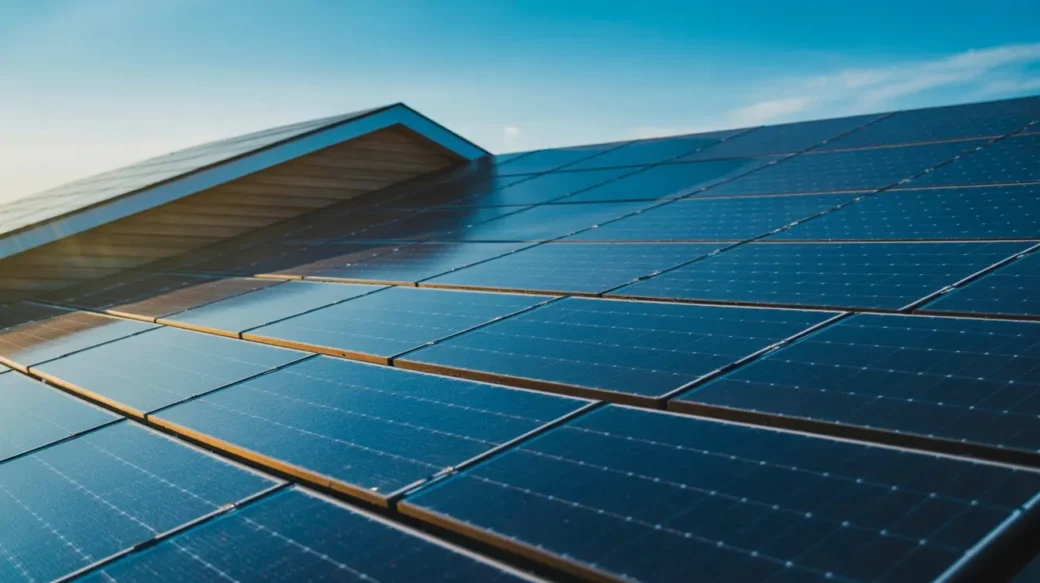
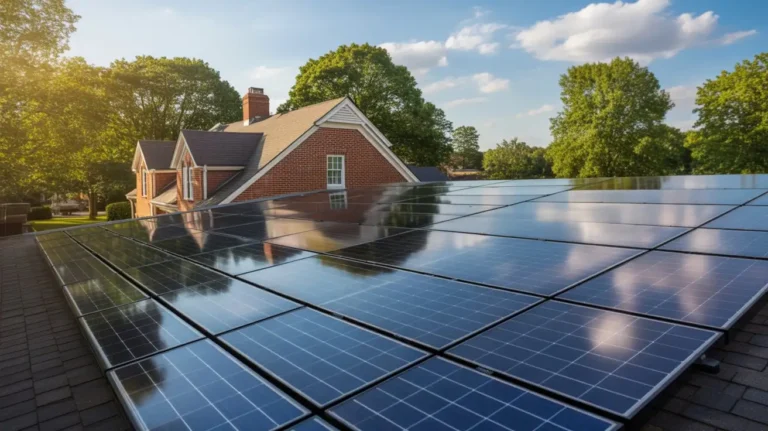
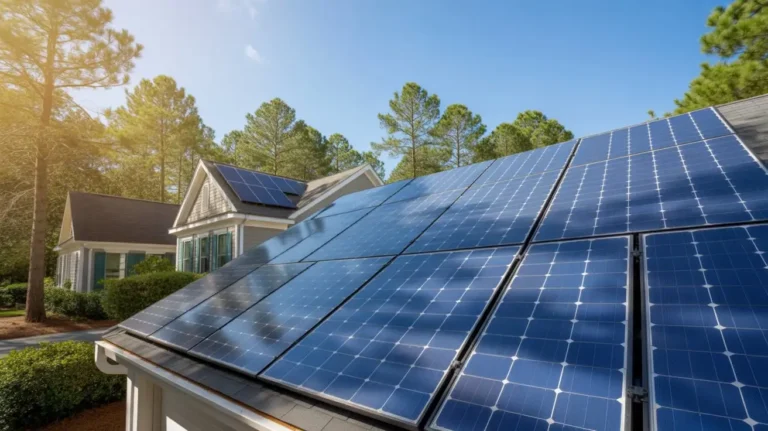
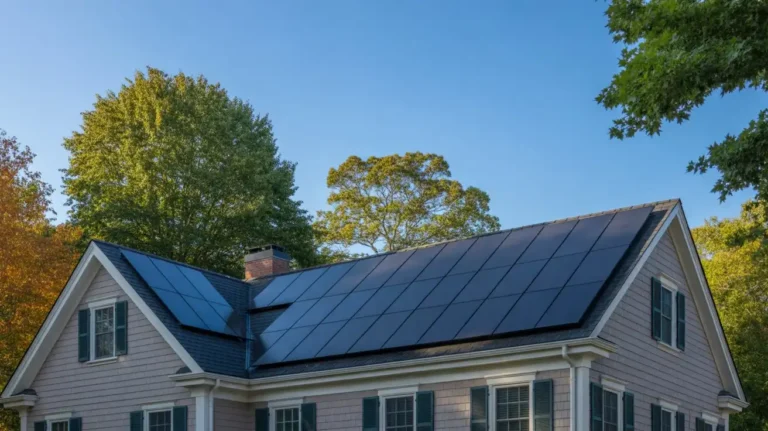
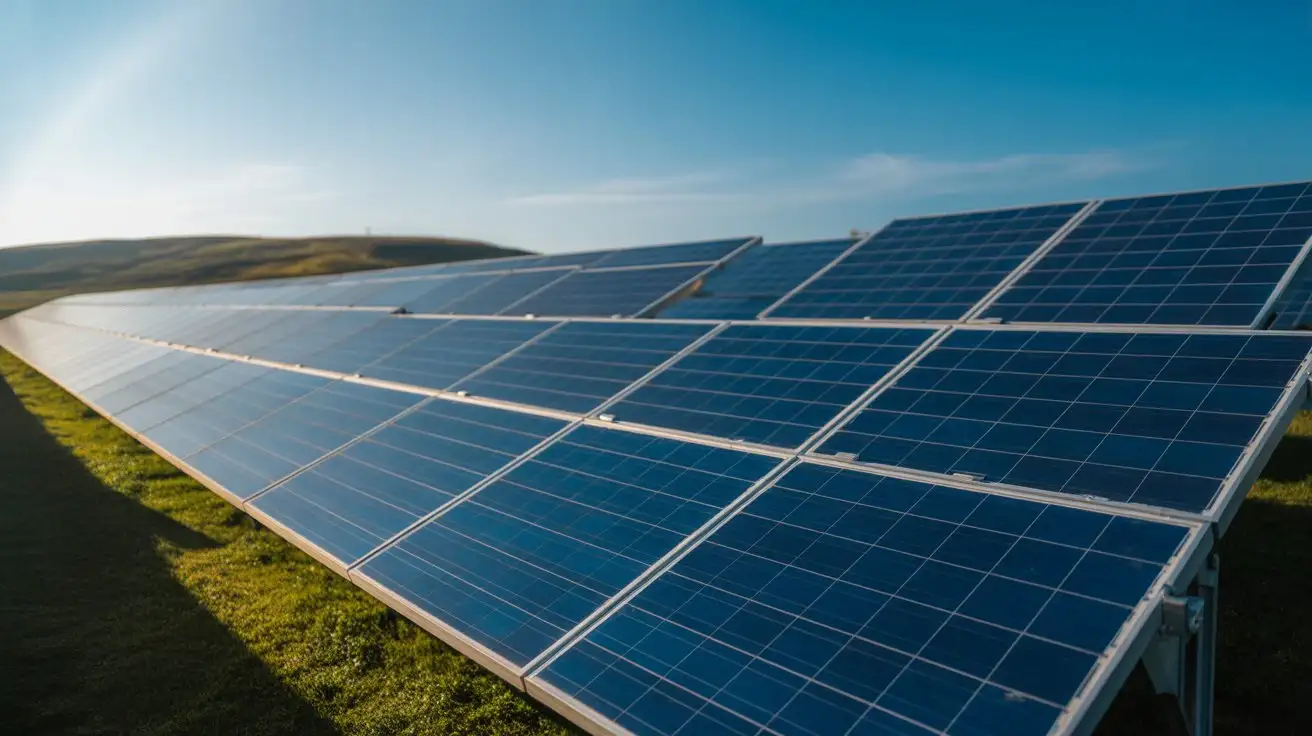
Solar panels contain photovoltaic cells that release electrons when sunlight hits them. That creates direct current (DC), which an inverter converts to alternating current (AC), the kind your home actually uses. From my point of view, that’s genuinely all you need to understand mechanically. Sun hits the panel, electricity flows, your bill goes down.
Why Nevada’s Sun Hours Give You a Real Advantage
Nevada’s desert climate makes this process especially productive, which is exactly why solar panels explained simply Nevada starts with sun hours. Las Vegas and Henderson sit around 6.2 to 6.3 peak sun hours per day, while Reno, Sparks, and Carson City in the north average closer to 5.5 to 5.8. Even the lower end of that range beats most U.S. states. A 6 kW system in Las Vegas can produce roughly 13,000 to 15,000 kWh per year, enough to cover most average Nevada households. That consistency across seasons is one thing people often miss about Nevada specifically. Unlike snowier states, your winter production here stays meaningful.
Nevada’s Solar Incentives, Where Solar Energy Simple Terms Nevada Actually Matter
This is where things get tricky for a lot of residents. There’s no state income tax credit in Nevada specifically for solar, but there are two genuinely useful programs worth knowing about before you make any decisions.
First, the federal Investment Tax Credit (ITC) lets you claim a percentage of your system cost directly on your federal taxes. That’s available to Nevada homeowners the same as anywhere in the country. Learn more about the federal solar tax credit and whether your Nevada installation qualifies based on your tax situation.
Second, Nevada offers a property tax exemption on the added home value your solar system creates. Your home may appraise higher after installation, but the state won’t tax that increase. I’ve seen this catch Nevada homeowners off guard in a good way, it quietly saves money over decades of ownership without requiring any extra steps. Stacking these two benefits alongside NV Energy’s net metering credits can noticeably shift your long-term savings picture.
The Property Tax Exemption Most Nevada Homeowners Don’t Talk About
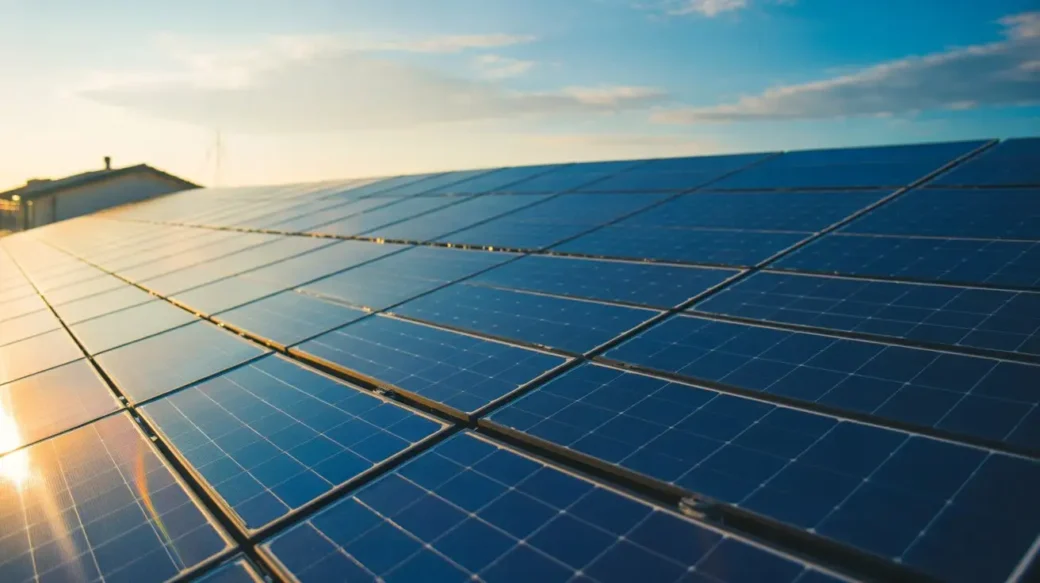
In my experience, this exemption gets far less attention than it deserves. You’re adding real asset value to your home in Las Vegas, Reno, or Henderson without a matching tax burden. Over a 20 to 25 year system life, that’s a reliable benefit worth factoring into your budget before anything else.
City-Level Solar Data Across Nevada, How Your Location Affects Everything
Not every part of Nevada performs the same. Urban southern Nevada and the rural north have real differences in sun hours, system costs, and typical annual savings. Here’s a straightforward city-level comparison:
| City | Avg Sun Hrs/Day | Avg System Cost | Est. Annual Savings | Net Metering |
| Las Vegas | 6.3 | $14,000–$18,000 | $1,500–$2,100 | NV Energy (Active) |
| Henderson | 6.2 | $14,000–$18,000 | $1,450–$2,000 | NV Energy (Active) |
| Reno | 5.8 | $13,500–$17,500 | $1,300–$1,800 | NV Energy (Active) |
| Sparks | 5.7 | $13,000–$17,000 | $1,200–$1,700 | NV Energy (Active) |
| Carson City | 5.5 | $12,500–$16,500 | $1,100–$1,600 | NV Energy (Active) |
Las Vegas and Henderson homeowners generally see stronger annual savings simply because higher sun hours mean more production. Northern Nevada cities like Reno and Sparks still perform well, the gap isn’t dramatic. Rural Nevada areas outside these cities may vary further based on local utility coverage and individual roof conditions. If you pay attention to which city you’re in, your production estimate becomes much more reliable.
Before finalizing any numbers, it’s worth understanding hidden solar panel costs U.S. homeowners often overlook, permitting fees, interconnection charges, and monitoring costs that rarely appear in headline quotes.
Net Metering Through NV Energy, How Your Bill Credits Work in Nevada
Net metering is one of the most important concepts in any solar for dummies Nevada discussion. When your panels produce more electricity than your home needs, common on summer afternoons in Las Vegas, that excess flows back to the NV Energy grid. You receive a bill credit in return, which offsets what you pull from the grid at night or on overcast days.
Nevada has had a complicated history with net metering policy over the years, but NV Energy currently maintains an active program for residential customers. As reported by the U.S. Department of Energy, net metering structures vary by state and utility, so confirming your specific credit rate with NV Energy before finalizing any system size is a good habit. For most standard Nevada homes, the credits are meaningful and factor significantly into your overall payback calculation.
What Nevada’s Dry Climate Does for Your Year-Round Solar Output
What surprised me when I first studied Nevada’s solar production data is how steady winter output stays. Las Vegas in July can hit 7+ peak sun hours. December drops that to around 4 to 5, but that’s still productive compared to most of the country. Nevada’s dry desert climate cuts down on the cloud cover that drags down monthly totals in other states. That year-round reliability makes your net metering credits more predictable and your overall savings easier to project with confidence.
Understanding What Solar Panels Actually Cost for Nevada Homeowners
I tend to look at it this way: buying a solar system is really prepaying for decades of electricity at a locked-in rate. For Nevada homes using 900 to 1,100 kWh per month, a 6 kW to 8 kW system is typically the right range. Before any incentives, expect a cost of roughly $13,000 to $18,000 depending on your city and roof specifics.
For a broader cost context, this breakdown of average solar panel costs across the USA helps you see where Nevada sits nationally. And if you want a deeper look at how home-specific factors affect your pricing, the guide to solar panel costs for U.S. homes is worth reading before you get into any specific estimates for your neighbourhood.
Payback periods in Nevada typically run 9 to 13 years based on current electricity rates and sun hours. With panels lasting 25 to 30 years, that still leaves a long stretch of significantly reduced electricity bills after you break even. My opinion is that for most Nevada homeowners, that’s a reasonable trade, especially given how consistent the state’s solar production is across all seasons. You can also review a full solar panel cost overview for the USA to understand what drives pricing differences from one home to the next.
Final Thoughts
Solar panels explained simply Nevada comes down to one honest truth: this state gives you more reliable sunlight than almost anywhere else in the country. Las Vegas and Henderson pull in over six peak sun hours daily, and even Reno and Carson City stay productive year-round. NV Energy’s net metering is active, the federal ITC puts real money back at tax time, and Nevada’s property tax exemption protects your home’s increased value without extra tax burden.
I wouldn’t say solar is the perfect fit for every home without looking at the specifics, your roof condition, shading, energy use, and budget all matter. Those things vary from one neighborhood to the next, and what works in Henderson might look different for someone in rural northern Nevada. But for most residents, the fundamentals are in your favor, and solarinfopath covers state-specific solar education for U.S. homeowners across all 50 states if you want to keep learning.
FAQs
Does Nevada have a state solar tax credit?
Nevada doesn’t offer a state income tax credit for solar installations. The property tax exemption on added home value is a real benefit though, and the federal ITC applies to Nevada homeowners just like anywhere else in the country. In my experience, combining both still makes a meaningful difference to your upfront cost recovery.
What is the average solar payback period in Nevada?
Most Nevada homeowners see payback in the range of 9 to 13 years based on average electricity rates and sun hours. Las Vegas and Henderson tend toward the shorter end due to higher peak sun hours. Your specific payback period depends on system size, energy use, and which incentives apply to your situation.
How does net metering work in solar energy simple terms Nevada?
NV Energy credits your bill when your panels send excess power to the grid. You may notice those credits offset your nighttime usage quite effectively over a full month. The credit rate can vary, so confirming directly with NV Energy for your specific service area is a smart step before sizing your system.
Is solar worth it for Nevada homeowners in simple terms?
For most Nevada residents, yes. The state’s 5.5 to 6.3 daily peak sun hours, active net metering, and available federal benefits make solar a reasonable long-term financial decision. It depends on your home’s energy use, roof condition, and location within the state, northern and southern Nevada do perform differently.
Which utility covers solar net metering for most Nevada residents?
NV Energy serves the majority of Nevada including Las Vegas, Henderson, Reno, Sparks, and Carson City. Most residential solar customers in these cities fall under NV Energy’s active net metering program. Rural Nevada areas may have different utility coverage worth confirming separately.
Can Nevada HOAs block solar panel installation on your roof?
Nevada law generally prevents HOAs from outright banning solar installations. They may still regulate panel placement or visual appearance within their guidelines. If your home is in an HOA-managed community in suburban Las Vegas or Henderson, reviewing those rules early in your planning process saves time and confusion later.

Morgan Lee is a homeowner and solar energy researcher based in the United States. After installing a rooftop solar system in 2022 and spending months comparing quotes, incentives, and installer reviews, Morgan realized how confusing and overwhelming the process felt for most American families. That experience led to the creation of SolarInfoPath, a no-pressure, educational platform designed to help U.S. homeowners understand solar energy clearly and confidently. Morgan focuses on practical, research-backed information covering solar costs, installation timelines, federal tax credits, and long-term savings. All content on this site is written from a homeowner’s perspective with the goal of making solar energy simple and accessible for everyday Americans.