Why Solar Panels Are Worth It in Nevada: Cost & Savings 2026
Las Vegas averages around 6.3 peak sun hours per day, one of the highest in the U.S., and that single number changes the entire solar equation. That is why Is solar worth it Nevada is not just about system price, it is about how much energy your roof can actually produce every day.
Now consider a real scenario. A typical Nevada home uses about 900 kWh per month (10,800 kWh per year). At an average NV Energy rate of 13¢ per kWh, that equals roughly $1,404 per year in electricity costs. A 6–8 kW solar system in Nevada can generate around 10,000 to 11,500 kWh per year, which means it can cover most or even all of that usage.
What happens when your system produces nearly as much power as you use?
That is where the numbers shift. If solar offsets 80–90% of usage, savings can reach around $1,100 to $1,250 per year. Over 10 years, that is more than $11,000 in savings, and over the system’s lifetime, the total can be significantly higher depending on rate increases.
But here is where things get interesting. Two homes in Nevada with the same sunlight can still see different results.
A south-facing roof in Las Vegas will usually produce more than a shaded or east-facing roof in Reno. That difference in production can change how fast the system pays for itself, even with the same system size.
This is why solar in Nevada is less about “if it works” and more about how efficiently your specific home converts sunlight into long-term savings.
Key Takeaways
- Las Vegas averages 6.3 peak sun hours per day, one of the highest rates in the entire USA.
- A typical 7.5–9 kW Nevada solar system costs $18,000–$22,000 before the federal 30% tax credit.
- NV Energy offers full retail net metering at about 13¢/kWh, a real financial advantage for Nevada homeowners.
- Nevada has no state income tax credit, but a full sales tax exemption and property tax exemption both apply.
How Much Do Solar Panels Cost in Nevada?
Most Nevada homes need a system between 7.5 and 9 kW. That size covers most of a typical home’s monthly power use. The cost runs between $18,000 and $22,000 before any credits apply. That price covers the panels, the inverter, and the installation. It also includes permits and the utility inspection. Your system turns on only after that inspection is done.
Your price depends on your roof type, your home’s size, and where you live in Nevada. A home in Las Vegas gets more sun than one in Reno or Elko. Your installer checks your roof direction, any shade from trees or buildings, and your last 12 months of power bills before picking a system size. A south-facing roof with no shade always gives you the best return.
For a clear look at what drives solar pricing across every U.S. state, average solar panel cost USA 2026 breaks it all down with real numbers. You can also browse every solar cost and savings topic on the Solar Costs and Incentives page. It covers pricing, credits, and net metering all in one place.
What Does a Real Nevada Homeowner Actually Pay?
Here is a real example. A homeowner in Las Vegas uses 950 kWh per month. They pay NV Energy about 13¢ per kWh. That is about $1,482 per year on electricity. A 7.5 kW system costs $20,000 before credits. The federal 30% tax credit takes $6,000 off that. The real out-of-pocket cost drops to about $14,000. Over 25 years, that system could produce electricity worth $37,000 or more as rates keep climbing.
The payback period in Nevada is typically 8 to 11 years. That is solid compared to most states. Las Vegas gets so much sun that your panels produce more electricity per day than in most other places. After break-even, you still get 14 to 17 more years of very cheap electricity. I think Nevada is one of the better states in the country for solar; the sun alone sets it apart from most.
To see how Nevada’s payback compares to every other state, solar payback periods by state has honest numbers for every region.
Nevada Solar Incentives: What You Can Use in 2026
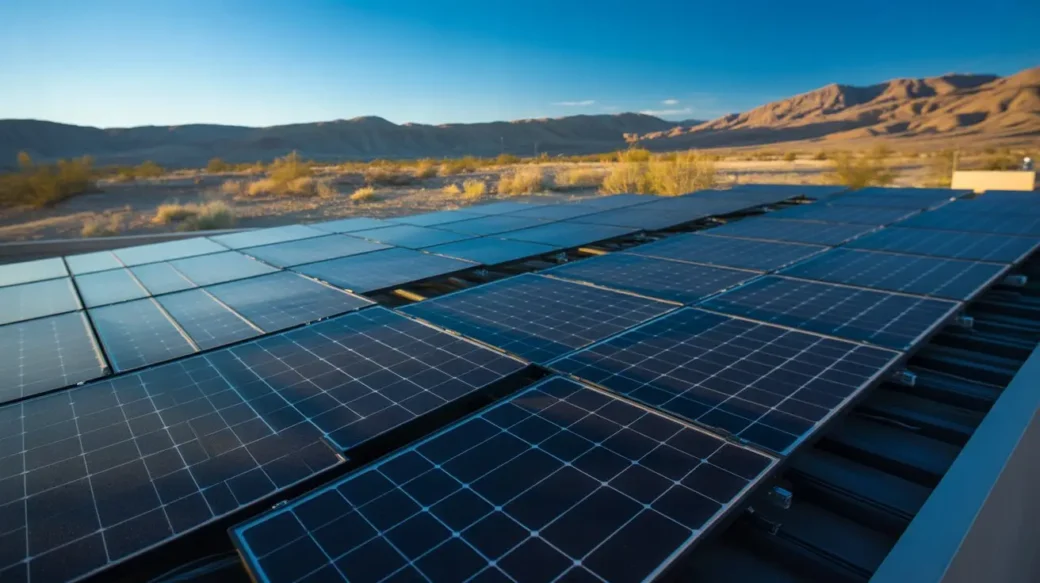
Nevada does not have a state income tax credit for solar. That is worth knowing upfront. But three other benefits still apply and they add up to real money.
Federal 30% Tax Credit. This is the biggest tool available to Nevada homeowners right now. It gives you 30% of your total system cost back as a credit on your federal taxes. On a $20,000 system, that is $6,000 back. You need to own your system and owe federal taxes to claim it. Its status after 2026 is under review in Congress, so check the latest before planning your budget around it. The federal solar tax credit guide explains exactly who qualifies and how to claim it on your return.
Sales Tax Exemption. Nevada does not charge sales tax on solar energy equipment. On a $20,000 system, that saves you about $1,700 right at the point of purchase. That money stays in your pocket before installation even starts.
Property Tax Exemption. Solar panels add real value to your home. A typical system adds $10,000 to $15,000 to your market value. Nevada law stops that added value from raising your property tax bill. You keep the equity gain with no annual tax penalty attached to it.
You can check every active Nevada solar program on the DSIRE Nevada database atdsire.org. It lists every state-level policy and updates when programs change or close.
Is Solar Worth It in Las Vegas? NV Energy Net Metering Explained
This is one of the most searched questions in Nevada solar, and the answer matters a lot for your savings. NV Energy does offer net metering in Nevada. When your panels make more power than your home uses, that extra power goes to the grid. NV Energy gives you a credit for it at the retail rate — about 13¢ per kWh.
That full retail credit is a real benefit. It means every kilowatt you send back earns you the same rate you pay for electricity. Compare that to Indiana or Tennessee, where surplus power earns only 3¢ to 4¢ per kWh. Nevada’s retail net metering makes it worth sizing your system to cover your full monthly usage.
There is one thing to watch closely. NV Energy has a grid access charge for solar customers. It runs about $12 to $17 per month depending on your system size. That charge slightly reduces your net savings each year. It does not break the financial case, but any honest savings estimate needs to include it. For a plain-language look at how net metering credits work across all states, is net metering worth it in the USA explains the full picture.
How Solar Performs Across Five Nevada Cities
Nevada is a big state. Las Vegas in the south gets far more sun than Elko in the northeast. That gap is real and it affects how much your panels produce each year. Here is how five major Nevada cities compare.
| City | Avg Sun Hrs/Day | Est. Annual Savings | Key Solar Notes |
| Las Vegas | 6.3 hrs | ~$1,500–$1,900/yr | NV Energy territory; highest sun in the state; best payback in Nevada |
| Henderson | 6.2 hrs | ~$1,470–$1,850/yr | NV Energy area; nearly identical sun to Las Vegas; strong savings |
| Reno | 5.3 hrs | ~$1,250–$1,550/yr | NV Energy territory; less sun than south Nevada but still very strong |
| Carson City | 5.1 hrs | ~$1,200–$1,490/yr | NV Energy service area; solid year-round production near the capital |
| Elko | 4.8 hrs | ~$1,100–$1,380/yr | NV Energy area; fewer sun hours but still viable for south-facing roofs |
Savings use 950 kWh per month, a 13¢/kWh rate, and a 7.5 kW system as the base. Your actual results depend on your roof, shading, and exact NV Energy rate plan. Las Vegas and Henderson have the best solar numbers in the state by a clear margin. Reno still makes a strong case. Even Elko in the northeast gets enough sun to make solar worth serious consideration for a home with a good south-facing roof.
Why Solar Panels Are Worth It in Nevada: The Real Answer
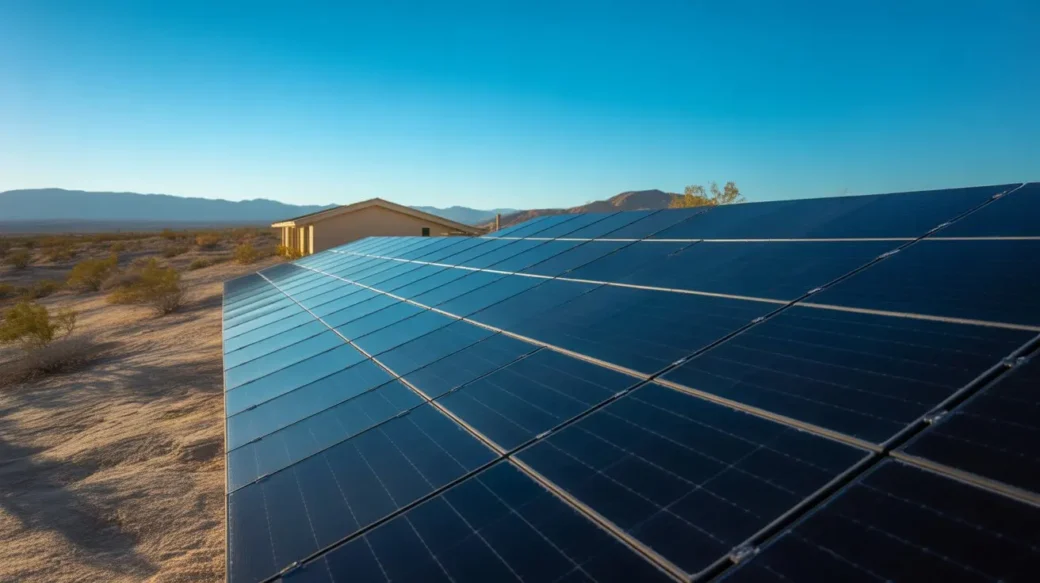
Most Nevada homeowners who own their home, have a south-facing roof, and pay a monthly bill above $100 will find solar worth it. The payback period runs 8 to 11 years. Panels last 25 to 30 years. That gives you 14 to 17 years of very cheap electricity after break-even. Over that full system life, total savings can reach $30,000 to $40,000 for a typical Las Vegas home.
What surprised me when I looked closely at Nevada’s numbers is just how big the sun advantage really is. A 7.5 kW system in Las Vegas produces about 40% more electricity per year than the same system in a cloudy northern state. That extra production is pure savings. It shortens your payback and raises your lifetime return without spending a single extra dollar on equipment.
The Honest Limitation Nevada Homeowners Should Know
NV Energy’s grid access charge is the main drawback that most Nevada solar articles skip over. It runs $12 to $17 per month for solar customers. Over 10 years, that adds up to $1,440 to $2,040 in extra fees. You need to include that number in your real payback calculation. Any savings estimate that leaves out the grid access charge gives you a number that is too optimistic.
Summer electricity use in Las Vegas is also very high. Air conditioning runs hard from May through September. That means your panels work hardest exactly when you need the most power, which is actually a good match. But it also means your winter bills may drop near zero while summer bills may still show some grid charges. A properly sized system accounts for that seasonal swing. For a full look at solar pros and cons across every U.S. state, solar panels pros and cons 2026 gives you an honest side-by-side view.
“NV Energy Rates Are Average: Is Solar Still Worth the Cost?”
This is the most common doubt I hear from Nevada homeowners. At 13¢/kWh, NV Energy rates are not as high as Massachusetts or California. So the savings per kilowatt are smaller than in those states. That is a fair concern. But here is what changes the picture for Nevada specifically.
Nevada’s sun hours make up for the moderate rate. A home in Las Vegas produces about 12,000 to 13,000 kWh per year from a 7.5 kW system. A similar home in Boston would produce only about 8,500 to 9,000 kWh from the same system. More production at the same rate means more total dollars saved each year. The sun does the heavy lifting that the rate alone cannot do.
Solar also raises your home’s value. Data from the Solar Energy Industries Association shows solar adds about $15,000 to average home value. Nevada’s property tax exemption means that gain does not raise your annual tax bill. If you sell your home in 8 to 10 years, that value increase could cover half your system cost on its own. To understand how home value and solar connect across the country, do solar panels increase home value covers the data by state.
How Nevada Compares to Nearby Solar States
Nevada sits near the top of national solar rankings because of its sun hours. Arizona is its closest competitor. Phoenix gets about 6.5 to 7.5 peak sun hours per day, slightly more than Las Vegas. But Nevada holds its own very well against every other state. For a useful side-by-side comparison, why solar panels are worth it in Arizona gives you a strong Nevada neighbor reference point.
California to the west has higher electricity rates, which gives solar a stronger dollar-per-kWh return there. But Nevada’s lower system costs and full retail net metering balance that out nicely. Utah to the northeast gets fewer sun hours and has weaker net metering rules. Within Nevada itself, the north-south gap is significant. Las Vegas and Henderson in the south get about 30% more sun per year than Elko in the northeast. If you live in southern Nevada, you are in one of the best solar positions in the entire country. To see how Nevada compares to every other state in one place, are solar panels worth it in the USA gives you a clear and fair national picture.
Final Thoughts
Nevada is one of the few states where the sun itself does most of the financial work. Las Vegas gets 6.3 peak sun hours per day. Reno gets 5.3. Even Elko in the northeast pulls 4.8. That production advantage shortens your payback faster than any incentive program can. Is solar worth it Nevada? is not a complicated answer, it is a sun-hours story more than anything else. If your roof faces south and your bill runs above $100 a month, the numbers are hard to argue with.
One thing most Nevada homeowners overlook is the NV Energy grid access charge. It runs $12 to $17 a month and it does not disappear after payback. Build that into your long-term math before you decide anything. Your best first step is simple: pull your last 12 months of NV Energy bills and add them up. That single number tells you more about your personal Nevada solar case than any online tool ever could.
Frequently Asked Questions
Do Nevada homeowners qualify for the federal solar tax credit?
Yes, Nevada homeowners who purchase and own their solar system qualify for the 30% federal Investment Tax Credit. The credit applies to your federal tax liability and is available statewide, whether you’re in Las Vegas, Reno, or rural Nevada.
What is the average payback period for solar in Nevada?
Most Nevada homeowners see an estimated payback period between 9 and 14 years, depending on their location, system size, and electricity usage patterns. Las Vegas and Henderson homes generally reach payback faster than Reno homes due to higher sun hours and more consistent year-round production.
Does Nevada offer any state solar incentive programs?
Nevada doesn’t currently have a large state rebate program, but the state does offer property tax and sales tax exemptions for solar installations. These prevent your property assessment from increasing and exempt solar equipment from state sales tax, reducing your overall system cost.
How does net metering work for Nevada homeowners with NV Energy?
Net metering in Nevada credits your account for excess solar energy exported to the grid, but the export rate is lower than the retail rate you pay for electricity. In my experience, maximizing self-consumption by using power during the day delivers better financial results than exporting excess energy.
Is solar worth it in northern Nevada cities like Reno and Sparks?
Yes, though the payback period is typically longer than in Las Vegas due to slightly lower sun hours and occasional winter snow. Reno and Sparks still average 5.6 to 5.7 peak sun hours daily, which is well above the national average and supports solid solar economics.
How does Nevada’s summer heat affect solar panel performance?
Extreme heat reduces panel efficiency slightly, maybe 5% to 10% on 115-degree days, because solar panels operate more efficiently in cooler temperatures. However, Nevada’s intense summer sun is so consistent that production stays exceptionally strong even with the heat-related efficiency loss.

Morgan Lee is a homeowner and solar energy researcher based in the United States. After installing a rooftop solar system in 2022 and spending months comparing quotes, incentives, and installer reviews, Morgan realized how confusing and overwhelming the process felt for most American families. That experience led to the creation of SolarInfoPath, a no-pressure, educational platform designed to help U.S. homeowners understand solar energy clearly and confidently. Morgan focuses on practical, research-backed information covering solar costs, installation timelines, federal tax credits, and long-term savings. All content on this site is written from a homeowner’s perspective with the goal of making solar energy simple and accessible for everyday Americans.