What Is Solar Energy and How Does It Actually Work in the USA
If you have ever looked at your electricity bill and wondered whether there is a better way to power your home, solar energy is probably already on your mind. Most Americans want to understand what is solar energy before making any decisions about their home and that curiosity is completely reasonable. I think that gap between genuine interest and clear understanding is exactly why so many people hesitate before taking any next steps.
This guide covers the solar energy definition in plain, honest language. What it is, how it works, why it matters for U.S. homeowners, and what its real limitations are. No technical jargon, no sales pitch, just a genuine explanation you can actually use.
Solar Energy Definition — What It Actually Means in Plain Terms
The definition of solar energy is straightforward. It is the energy produced by the sun and captured for practical use in our daily lives. The sun constantly releases enormous amounts of energy into space, and a small but meaningful portion of that energy reaches the Earth every single day in the form of light and heat.
To define solar energy simply, it is sunlight converted into something your home can actually use. Solar energy technology is the collection of tools and systems humans have developed to capture that natural energy and turn it into electricity or heat. That is the solar energy meaning that matters most for homeowners trying to understand whether solar makes sense for their situation.
What surprises a lot of people is what solar energy is not. It is not complicated at its core. It is not dependent on any fuel that gets burned, extracted from the ground, or purchased from a supplier. The sun shows up every morning regardless of what any energy company decides to charge, and that fundamental fact is what makes solar genuinely interesting for homeowners across the United States.
From my point of view, the most important part of any solar energy description is this: solar energy already exists all around us. We are simply learning better ways to capture and use something that has always been there.
How Does Solar Energy Work — Step by Step in Plain Language
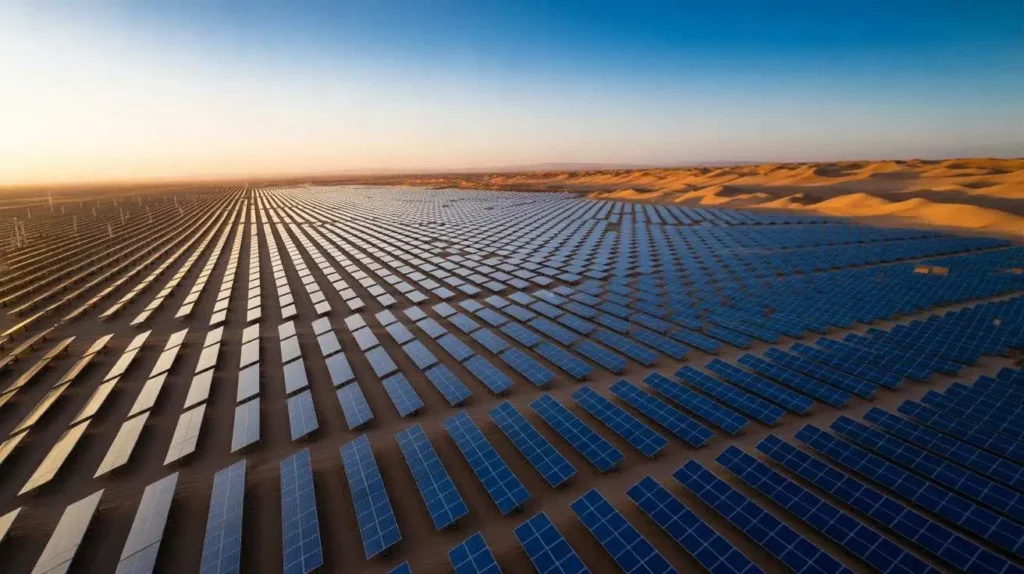
Understanding how solar energy works does not require an engineering background. The basic process follows a clear and logical path that most people can follow without any prior knowledge.
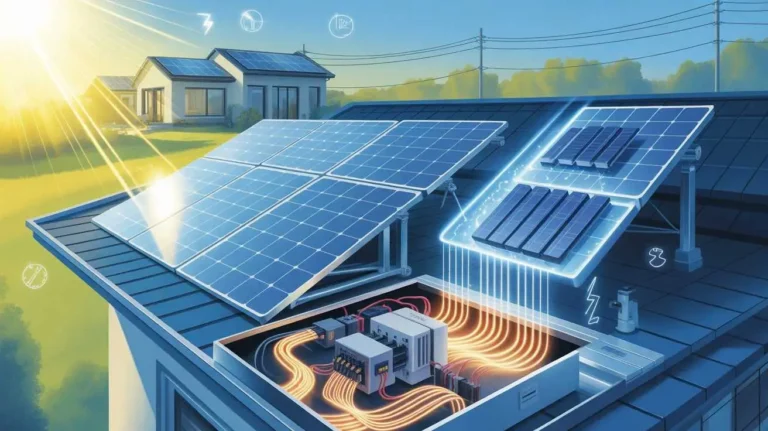
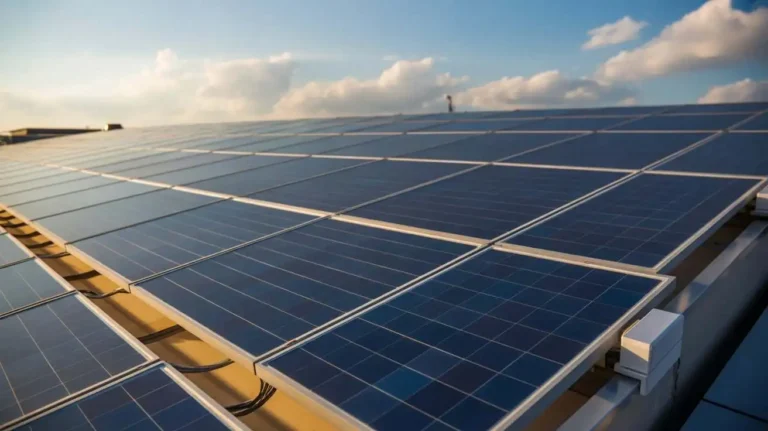
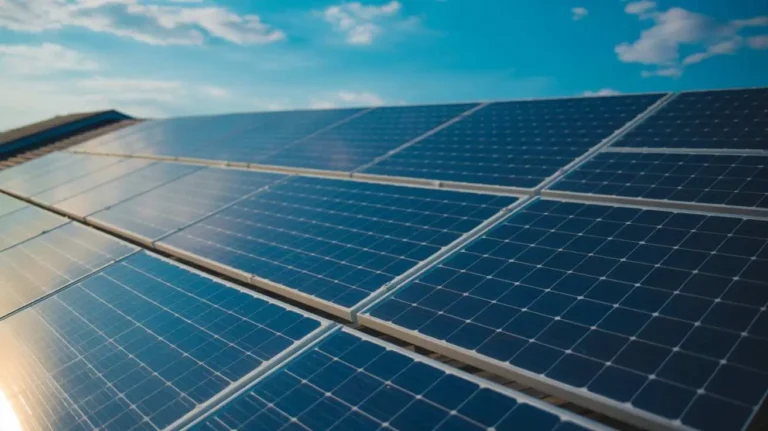
Sunlight travels from the sun to your roof. When that sunlight hits a solar panel, it interacts with a layer of material usually made from silicon inside each panel. Silicon has a useful property. When light hits it, electrons inside the material start moving. Moving electrons are electricity. That flow of electrons is captured and directed through wiring as direct current, commonly called DC power.
Your home does not run on DC power, though. It runs on alternating current, or AC power. That is where the inverter comes in. The inverter converts the DC electricity your panels produce into AC electricity your home can actually use. From that point, the electricity flows through your home the same way grid electricity does, powering your lights, your appliances, your air conditioning, and everything else you rely on daily.
If you want to see this process broken down even further, How Solar Power Works Step by step covers each stage in detail that beginners find genuinely useful.
What Makes This Process Clean and Reliable
Nothing burns. Nothing gets extracted from the earth. No smoke, no exhaust, no moving parts in the panels themselves. Just sunlight going in and usable electricity coming out. That simplicity is genuinely one of the more underappreciated aspects of solar energy when people first start learning about it seriously.
Explain Solar Energy — The Two Main System Types U.S. Homeowners Use
Not all solar systems work the same way. When people ask me to explain solar energy for residential use, two primary system types always come up.
Solar systems that produce electricity are called photovoltaic systems. They convert sunlight directly into electricity that powers your home. Any excess electricity your panels produce can either be stored in a battery or sent back to your utility grid in exchange for a bill credit through net metering. This is what most homeowners picture when they think about solar panels on a roof.
Solar systems that produce heat are called thermal systems. They capture heat from the sun rather than converting it to electricity. These systems are typically used to heat water or warm indoor spaces. They serve a narrower purpose but can be effective in the right climate.
Most discussions about residential solar in the United States focus on electricity-producing systems. If you want to understand the differences between solar energy types and what electricity from solar actually means for your home, the difference between solar energy and electricity breaks it down clearly.
Solar Energy Is Renewable — What That Actually Means for You
One of the most common questions after people grasp the solar energy definition is whether it is truly renewable. The answer is yes, and it is worth explaining why that matters practically.
Solar energy is genuinely renewable because the sun produces energy continuously and will not run out on any timeline relevant to human planning. Using solar energy today does not reduce how much will be available tomorrow, next year, or in fifty years. That is the core of what makes it renewable in a real sense, not just as a marketing term.
This is a meaningful distinction from fossil fuels like coal, oil, and natural gas, which exist in finite quantities and become permanently depleted when extracted and burned. As reported by the U.S. Department of Energy, solar energy is one of the fastest-growing renewable energy sources in the United States, with residential adoption increasing significantly across dozens of states over the past decade.
Solar energy is also sustainable in a way that fossil fuels simply cannot match. The sun will continue rising every morning for billions of years, which means the energy source behind your panels is genuinely inexhaustible on any practical human timeline.
Real Benefits of Solar Energy for U.S. Homeowners
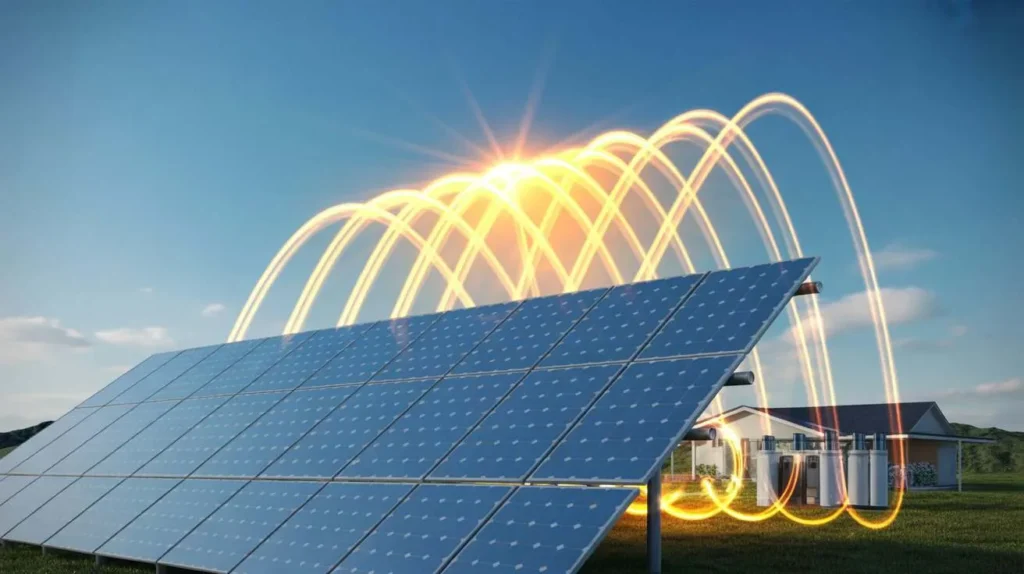
The benefits of solar energy for American homeowners go beyond the environmental argument, though that argument is real and worth acknowledging honestly.
Lower monthly electricity bills are one of the clearest benefits. Every kilowatt hour your panels produce is one you do not pay your utility company for. That saving adds up month after month across a system lifetime of 25 to 30 years.
Protection against rising utility rates is another benefit people often underestimate. Your panels keep producing regardless of what your electricity company decides to charge next year or the year after that. In my experience, that long term price stability is what makes solar feel genuinely valuable beyond just the immediate monthly savings.
Net metering credits add another layer of value. In states with active programs, excess electricity your panels send to the grid comes back as a bill credit you can use later. Increased home value, the federal Investment Tax Credit, and state-specific incentive programs in places like New Jersey, Massachusetts, and New York round out a financial picture that is genuinely worth understanding in full.
One thing people often miss when evaluating these benefits is how they compound over time. To understand whether solar panels are genuinely worth it for your specific situation, are solar panels worth it for homes in the USA walks through the honest calculation without overpromising.
The Real Limitations of Solar Energy — Honest Answers Only
I wouldn’t say solar energy is perfect, and anyone who tells you otherwise is not being straight with you. There are genuine limitations worth understanding before making any decisions.
Solar Production Depends on Sunlight
Solar panels produce electricity when the sun is shining. They produce less on cloudy days and nothing at night. That does not make solar useless. Most homeowners use grid power or battery storage to cover those gaps. But it does mean your system’s output is not constant throughout the year.
Geographic differences across the United States make this limitation hit harder in some places than others. A homeowner in Phoenix, Arizona, with over six peak sun hours daily faces a very different production reality than a homeowner in Seattle, Washington, dealing with frequent cloud cover. Understanding your specific location’s sun hours is one of the most important early steps in evaluating solar honestly.
Upfront Cost Is a Real Consideration
Solar systems are not cheap to install. Before incentives, a typical residential system costs between $12,000 and $20,000, depending on system size, location, and roof complexity. The federal tax credit and state incentive programs reduce that cost meaningfully, but the upfront investment is still real. For a clear picture of what U.S. homeowners typically pay, how much do solar panels cost in the USA gives honest, current numbers without inflating the reality.
Not Every Roof Is Suitable
Roof orientation, pitch, age, and shading from trees or nearby structures all affect whether a particular home is a good candidate for solar. This is where things get tricky because online calculators cannot always account for the specific conditions of your actual roof in your actual neighborhood.
Common Misunderstandings About Solar Energy Worth Clearing Up
A few beliefs about solar energy come up repeatedly that deserve a direct response.
Solar does not power your home 24 hours a day from panels alone. Your panels produce during daylight hours. Grid power or battery storage covers the rest. This is normal and expected, and it does not mean your system is failing.
Solar will not eliminate your electricity bill entirely in most cases. It can reduce your bill dramatically or bring it very close to zero, depending on system size and usage. But most grid-connected solar homeowners still have a small monthly connection fee with their utility,y regardless of production.
Solar panels do not require constant maintenance. Modern panels are designed to last 25 to 30 years with minimal upkeep. This is one of the more persistent myths worth clearing up early. For a full look at what people get wrong about solar before making decisions, Common Myths About Solar Panels Every American Should Know is worth reading before you go any further.
Final Thoughts
Understanding what is solar energy and how it works is genuinely one of the most useful things a U.S. homeowner can do before making any decisions about their electricity future. The solar energy definition is simple at its core. Sunlight is captured and converted into electricity or heat. But the implications for your home, your electricity bill, and your long-term finances are worth understanding in real depth.
From my point of view, the most valuable thing any homeowner can do right now is build a solid foundation of honest, accurate knowledge before taking any next steps. Understanding the solar energy meaning in practical terms, knowing what the real costs and benefits look like in your specific state, and having clear expectations about what solar can and cannot do puts you in a position to move forward with genuine confidence. If you want to keep building that foundation, Solarinfopath covers solar energy education for U.S. homeowners across all 50 states and approaches every topic the same way. Clearly, accurately, and without anyone trying to sell you something in the process.
Frequently Asked Questions
What is the simplest Solar Energy Definition?
Solar energy is the energy that we obtain from the sun and then convert into electricity or heat. Depending on the presence of the sun, which is not received from any fossil fuels.
How does solar energy work in daily life?
Solar energy works by capturing sunlight and converting it into usable power. This energy can support lighting, heating, and basic household electricity needs.
Is solar energy renewable for the long term?
Yes, solar energy is a renewable energy source because it is constantly available to us and does not diminish with use.
What are the main advantages of solar energy?
The main advantages include clean and pollution-free energy. Solar energy also uses a natural and widely available resource.
Does the weather affect how solar energy works?
Yes, weather conditions affect solar energy production. We get this energy in small amounts during cloudy weather and seasonal changes.
Can solar energy be used everywhere?
Solar energy can be used in many regions around the world. Its effectiveness depends on sunlight availability and location.

Morgan Lee is a homeowner and solar energy researcher based in the United States. After installing a rooftop solar system in 2022 and spending months comparing quotes, incentives, and installer reviews, Morgan realized how confusing and overwhelming the process felt for most American families. That experience led to the creation of SolarInfoPath, a no-pressure, educational platform designed to help U.S. homeowners understand solar energy clearly and confidently. Morgan focuses on practical, research-backed information covering solar costs, installation timelines, federal tax credits, and long-term savings. All content on this site is written from a homeowner’s perspective with the goal of making solar energy simple and accessible for everyday Americans.