When someone asks, “Do solar panels emit radiation?” Solar panels do not emit ionizing radiation like X-rays or radioactive materials. A solar PV system can produce non-ionizing electromagnetic fields, mainly around wiring, inverters, and other electrical equipment, because it generates and conducts electricity. Available evidence does not establish ordinary residential solar panel exposure as a cause of cancer.
This article separates radiation, EMF, solar panels, inverters, batteries, and solar farms. These terms get mixed together constantly in online searches, and that mix-up is where most of the confusion starts.
Do Solar Panels Emit Radiation?
Solar panels do not emit radiation in the way most people fear. There is no ionizing radiation involved in normal PV operation, the kind associated with radioactive materials or medical X-rays.
What a panel does produce is electricity. And any device that carries electric current can create a weak, non-ionizing electromagnetic field around it.
Do Solar Panels Give Off Radiation?
Solar panels give off electricity, not radioactive radiation. The panel itself absorbs sunlight and converts it into direct current electricity through the photovoltaic effect.
That process does not release particles or ionizing energy. The electrical current flowing through the panel and its wiring can produce a small, non-ionizing electromagnetic field, which is a different category entirely from radioactive radiation.
What Type of Radiation Is Associated With Solar Panels?
Here is where the numbers actually shift, because “radiation” covers several very different things.
| Type | Example | Ionizing? | Relevance to Solar PV |
| Radioactive radiation | X-rays and gamma radiation | Yes | Not produced by normal PV operation |
| Visible light | Sunlight | No | Solar panels absorb it |
| EMF | Electrical equipment and wiring | No | Can occur around electrical components |
| Thermal radiation | Heat | No | Panels can become hot in direct sunlight |
Only the first row on this table involves ionizing radiation, the type with enough energy to damage cells at a molecular level. Solar panels do not fall into that category.
Do Solar Panels Cause Radiation?
No, solar panels do not cause radioactive radiation simply by generating electricity. What they can create, like any electrical system, is a weak non-ionizing electromagnetic field.
Does Solar Panel Radiation Mean the Panels Are Radioactive?
Are solar panels radioactive? No. A standard PV panel is built from silicon, glass, and metal framing, none of which are radioactive materials under normal operation.
The confusion usually starts because people hear “radiation” and assume “radioactive.” Those are not the same word with the same meaning. Electromagnetic fields from wiring and radioactive decay from unstable atoms are entirely different physical processes.
Do Solar Panels Emit Harmful Radiation?
Do solar panels emit harmful radiation? The evidence does not support that claim for normal residential or commercial PV installations. The EMF levels measured around solar equipment are consistently in the same low range as household appliances like refrigerators or hair dryers.
That does not mean zero electrical activity is happening. It means the type and strength of that activity falls well below the exposure limits set by health and safety organizations for non-ionizing EMF.
Solar Panel EMF: Do Solar Panels Emit EMF?
Yes, solar panels can emit EMF, but this is non-ionizing EMF tied to normal electrical operation. It is not the same thing as radioactive radiation, and the distinction matters for how you should actually think about exposure.
What Is EMF?
EMF stands for electromagnetic field. Electrical current always creates an electric field and a magnetic field around the conductor carrying it.
EMF is not automatically the same as ionizing radiation. Field strength varies with the equipment involved, the amount of current flowing, the distance from the source, and how the system is configured.
Do Solar Panels Emit EMF?
Do solar panels emit EMF? Yes, in the sense that any component carrying electrical current, including a solar module, produces some EMF. The strength of that field drops off quickly with distance, similar to the wiring already running through your walls.
Here’s the part most people overlook. The EMF question is less about the panel itself and more about the full electrical system connected to it.
Where Does EMF Come From in a Solar PV System?
A solar PV system has several points where EMF can occur:
- Solar modules, where current is first generated
- DC wiring, which carries that current from the panels
- Combiner equipment, where multiple strings of panels connect
- The inverter, where DC power is converted to AC power
- AC wiring, which carries the converted power toward your home’s system
- The main electrical panel, where solar output joins your household circuit
- A battery system, if one is installed, during charging and discharging
This list also answers a related question people search separately: whether electrical panels themselves give off radiation. The answer is the same: low-level, non-ionizing EMF tied to normal current flow, not radioactive radiation.
Does Solar Panel Radiation Affect Humans?
Solar panels emit radiation strong enough to affect the human body? Solar panel EMF is generally too weak and too localized to represent an established health risk under normal residential exposure conditions. But “health effect” is a broader question than radiation exposure alone, and a proper answer depends on what is actually being measured and at what distance.
Solar Panel Radiation Effects on Humans
Long term side effects of solar panels on humans have not been established as a public health concern in current research. Studies on non-ionizing EMF from household and grid-connected electrical equipment generally find exposure levels well under recognized safety thresholds.
This is the part that gets skipped in a lot of online claims. A fear of “radiation” from solar panels usually traces back to EMF, not to anything resembling radioactive exposure, and the two carry very different risk profiles.
Are Solar Panels Safe for Your Health?
Are solar panels safe for your health? Based on current evidence, ordinary residential and commercial solar installations do not present an established health hazard from radiation or EMF. That is not the same as an absolute guarantee, since research on any technology continues over time.
What can be said with more confidence is that a properly installed system, following standard electrical codes, keeps EMF exposure in the same general range as the other wiring and appliances already in your home.
Do Solar Panels Cause Cancer?
No, current evidence does not show that solar panels cause cancer. This question deserves a careful answer rather than a dismissive one, because it comes up often and the underlying science is easy to misread.
Can Solar Panels Cause Cancer?
Can solar panels cause cancer? The scientific basis for a cancer link exists for ionizing radiation exposure at meaningful doses. Solar panels do not produce ionizing radiation during normal operation, which is the category of exposure with an established connection to cancer risk.
Non-ionizing EMF, the type associated with solar equipment, has been studied extensively for decades. Major health bodies have not established a confirmed causal link between typical non-ionizing EMF exposure and cancer.
Is There a Known Cancer Risk From Solar Panel Radiation?
There is no established cancer risk specifically tied to solar panel radiation in current research. It helps to separate three different things here: exposure, evidence, and an established health effect.
An online claim is not the same as evidence. And evidence of exposure is not automatically evidence of harm. Treating a forum post as equivalent to peer-reviewed research is one of the more common mistakes people make when researching this topic.
Solar Panel Health Side Effects: What Does the Evidence Show?
Solar panel health side effects should be evaluated by concern type, not lumped together as one vague fear. Some concerns involve EMF, some involve heat, and some involve ordinary electrical or fire safety, which is a completely different category from radiation.
| Concern | What People Search | What Needs to Be Evaluated |
| Radiation | Solar panel radiation | Type and strength of exposure |
| EMF | EMF from solar panels | Source, distance, and field strength |
| Cancer | Solar panels and cancer | Epidemiological and scientific evidence |
| Heat | Hot rooftop panels | Surface temperature and physical access |
| Electrical hazards | PV wiring and equipment | Installation quality and electrical safety |
| Fire | Solar PV fire concerns | Equipment condition and installation factors |
Can Solar Panels Cause Health Problems on a Roof?
Do solar panels on a roof cause health problems? Standard rooftop installations, following code-compliant wiring and mounting, do not introduce a known health hazard beyond the ordinary electrical safety considerations of any home system. Being under or near a rooftop array is different from direct sun exposure itself.
The panels sit above the roof deck, with wiring routed through conduit, and the inverter typically mounted separately. That physical separation is part of why exposure at floor level inside the home tends to be minimal.
Is It Safe to Sleep Under Solar Panels?
Is it safe to sleep under solar panels? Yes, based on current evidence, sleeping in a room below a rooftop solar array does not present an established radiation or EMF hazard. The same logic applies to sitting under solar panels, such as under a solar carport or patio structure.
A few realistic factors matter more here than radiation. Structural load and mounting need to meet code. Ventilation and heat buildup around the array should be considered in system design. Electrical installation quality, including proper grounding and code-compliant wiring, is what actually protects against real hazards like fire or shock, rather than a radiation concern that isn’t well supported by evidence.
Do Solar Inverters Emit Radiation?
Do solar inverters emit radiation? Inverters are electrical and electronic equipment, and like any device that converts or switches current, they can produce non-ionizing electromagnetic fields. They do not emit ionizing or radioactive radiation.
The inverter deserves separate treatment from the solar module because it does more electrical work. It converts direct current from the panels into alternating current for household or grid use, and that conversion process involves rapid switching.
| Solar Component | Produces Electricity? | Electrical Fields Possible? | Why It Matters |
| Solar module | Yes | Yes | Generates DC electricity |
| DC wiring | Carries electricity | Yes | Current flow between components |
| Inverter | Converts DC to AC | Yes | Switching and conversion activity |
| AC wiring | Carries electricity | Yes | Connects to household electrical system |
| Battery | Stores electricity | Yes | Active during charging and discharging |
Do Solar Batteries Emit Radiation?
Do solar batteries emit radiation? No, not in the radioactive sense. Batteries are electrical energy storage devices, and current flowing in or out of them can create a non-ionizing electromagnetic field, similar in nature to what happens around any wiring or electronics.
Do Solar Batteries Emit EMF?
A battery produces EMF mainly during charging and discharging, when current is actively moving. That field is localized and tied to normal electrical operation, not to any radioactive process inside the battery.
Battery systems carry their own set of safety considerations, separate from radiation concerns. Thermal management, proper installation, and fire safety standards are the practical issues worth paying attention to with any home battery system.
Do Solar Farms Emit Radiation?
Do solar farms emit radiation? No, utility-scale solar farms operate on the same basic principle as rooftop systems, just at a much larger scale, with more inverters, transformers, and grid equipment involved. That larger footprint means more electrical infrastructure, but it does not introduce ionizing radiation.
| System | Main Electrical Equipment | Radiation or EMF Question |
| Rooftop solar | Panels, wiring, inverter | EMF around electrical components |
| Residential battery | Battery and inverter | Electrical and EMF exposure near the unit |
| Solar farm | Large arrays, inverters, transformers | EMF around utility-scale electrical infrastructure |
Solar farm EMF is generally concentrated near substations and transformer equipment, well within the fenced project boundary rather than at a typical off-site distance. Our utility-scale solar guide to cost and land rules covers how these larger projects are actually sited and regulated, including setback requirements that also happen to keep electrical equipment away from neighboring property lines.
How Solar Panel EMF Differs From Other Electrical Sources
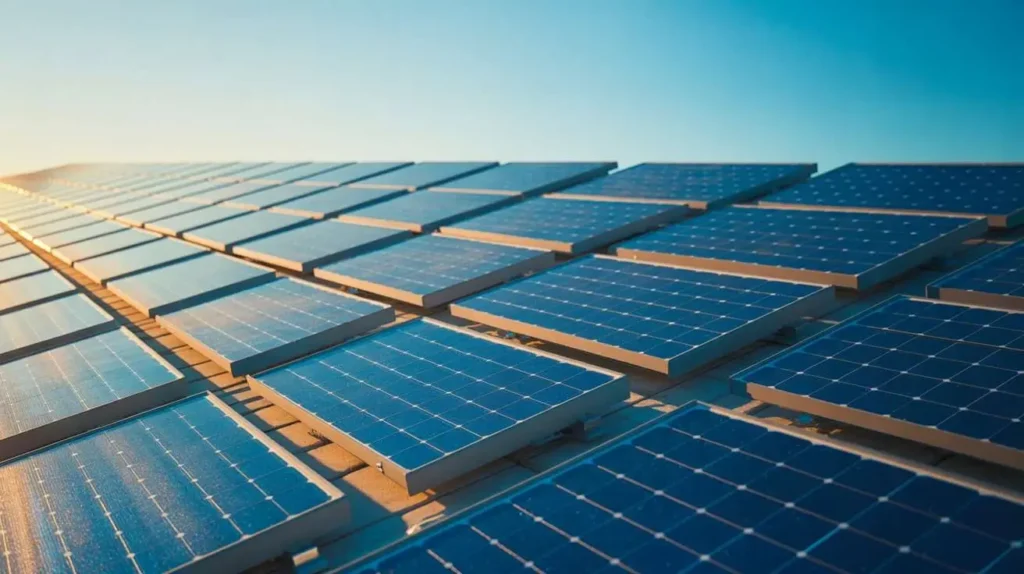
Solar panel EMF sits in the same general category as EMF from household wiring, electrical panels, and common appliances. It is not a special or elevated category of exposure compared to devices already inside most homes.
Household wiring carries current constantly and produces its own low-level field. Electrical panels, kitchen appliances, and inverters for other equipment work the same way. A solar PV system adds another source to that existing list, not a fundamentally new type of exposure.
What Are the Long-Term Side Effects of Solar Panels on Humans?
Long term side effects of solar panels on humans have not been established in current scientific literature, based on the type of non-ionizing EMF these systems produce. Research on non-ionizing EMF spans decades, across many different electrical technologies, not just solar.
What is established is that ionizing radiation carries known long-term health risks at meaningful exposure levels. What is still being studied, as with most areas of environmental health, is the fine-grain detail of lower-level, non-ionizing exposure over very long time frames. What is not supported is the specific claim that normal residential solar exposure causes a distinct, measurable health condition.
Exposure level and distance matter far more than the mere presence of a solar system. And “radiation” should not be read as automatically meaning radioactive exposure, since that single word covers a very wide range of physical phenomena.
Solar Panels, Radiation and Cancer: Quick Facts
| Question | Short Answer |
| Can solar panels emit radiation? | They can be associated with non-ionizing electromagnetic fields from electrical operation, not radioactive radiation. |
| Are solar panels radioactive? | No, normal PV panels are not radioactive simply because they generate electricity. |
| Do solar panels cause cancer? | Current evidence does not establish that normal PV operation causes cancer. |
| Do solar panels emit EMF? | Yes, electrical components in a PV system can produce low-level, non-ionizing EMF. |
| Do inverters emit radiation? | Inverters are electrical equipment and can produce non-ionizing electromagnetic fields, not radioactive radiation. |
| Do solar batteries emit radiation? | Batteries involve electrical fields during charging and discharging, not radioactive sources. |
| Are solar panels safe? | Safety depends mainly on electrical installation quality, not on unsupported radiation concerns. |
What People Often Get Wrong About Solar Panel Radiation
Radiation Does Not Always Mean Radioactivity
The word radiation covers light, heat, radio waves, and radioactive decay, among other things. Only some of those categories are ionizing, and only ionizing radiation carries the cancer risk most people associate with the word.
EMF Does Not Mean Ionizing Radiation
EMF from electrical equipment is non-ionizing. It does not carry enough energy to break molecular bonds the way ionizing radiation can, which is the core reason health bodies treat the two categories so differently.
Solar Panels Do Not Create the Sun’s Radiation
A solar panel absorbs sunlight. It does not generate or amplify the sun’s own radiation output. The panel converts light energy into electrical energy, and that conversion process is what produces the small EMF discussed throughout this article.
The Inverter Is Different From the Solar Module
People often treat an entire solar system as a single, uniform source of concern. In reality, the module, the wiring, the inverter, and any battery each work differently, and the inverter typically does the most active electrical switching in the system.
How to Evaluate a Solar Panel Radiation Claim
Use these steps whenever you see a strong claim about solar panel radiation online:
- Identify the claimed type of radiation.
- Determine whether it is ionizing or non-ionizing.
- Identify the actual source, whether it’s the panel, the inverter, or the wiring.
- Check the exposure level and the distance being described.
- Look for peer-reviewed or government-backed evidence rather than a single anecdote.
- Separate established evidence from anecdotal claims or forum posts.
- Check whether the source actually studied solar PV systems, or a different technology entirely.
Running a claim through these steps takes a few minutes. It also tends to resolve most of the fear behind a viral “solar panels are dangerous” post fairly quickly.
Where Radiation Concerns Fit Into a Solar Decision
Once the radiation and EMF question is answered honestly, the factors that actually determine whether solar makes sense for you shift toward cost, financing, and long-term value. That’s a very different kind of decision than a safety concern, and it deserves its own research.
Installed cost is one of the first numbers worth understanding, and the average solar panel cost in the USA breaks that down for residential systems. For a business or larger property, the commercial solar panel installation cost guide covers a different scale of investment entirely.
How you pay for a system also changes its long-term value. Our solar financing overview explains the common ways homeowners and businesses fund a project, and the solar payback period guide walks through how that investment actually earns itself back over time. For larger commercial or utility-connected projects sold under contract, the commercial solar PPA laws page explains how those agreements are structured.
None of those decisions have anything to do with radiation risk. They come down to your budget, your electricity usage, and your property, which is exactly where the research should shift once the safety question is settled.
Separating Radiation Fear From Real Solar Decisions
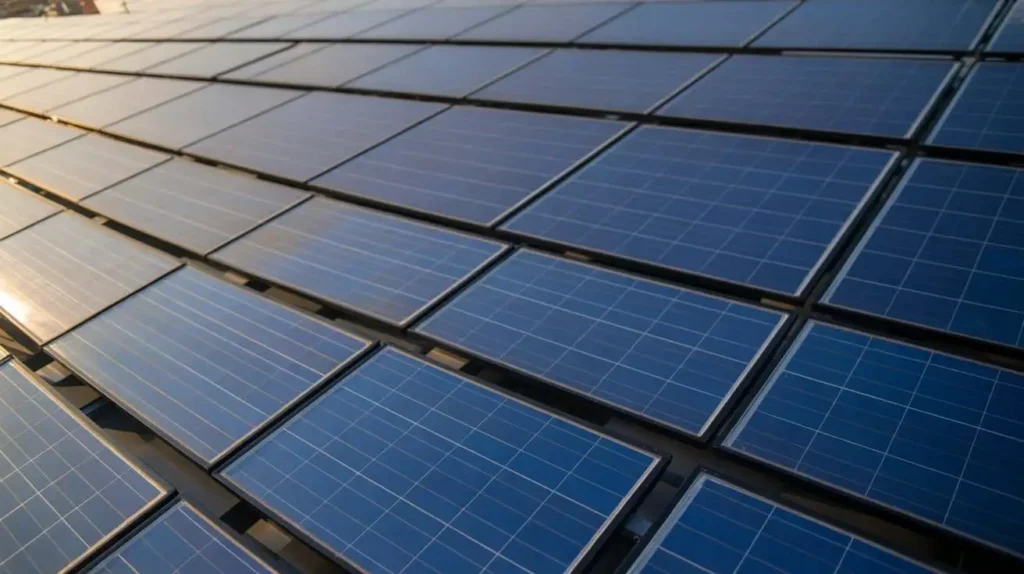
Do solar panels emit radiation in the way most people fear when they type that question into a search bar? No. What they produce is non-ionizing EMF tied to ordinary electrical operation, in the same general category as the wiring and appliances already inside most homes.
The honest limitation worth stating plainly is that no technology gets a lifetime guarantee, and research on non-ionizing EMF continues across many industries, not just solar. What current evidence does not support is a meaningful cancer or radiation risk from a properly installed residential or commercial PV system.
Once that concern is addressed, the more useful next step is looking at the practical side of a solar decision. That means real numbers on cost, financing, and payback, rather than a fear that current research does not back up.
Frequently Asked Questions
Do solar panels cause cancer?
Current evidence does not support a link between normal solar panel exposure and cancer. That conclusion follows from the fact that solar systems produce non-ionizing EMF, not ionizing radiation.
Do solar panels emit EMF?
Yes. Any component carrying electrical current, including panels, wiring, and inverters, produces some non-ionizing EMF. Field strength is generally low and drops quickly with distance.
Are solar panels radioactive?
No. Standard PV panels are made from silicon, glass, and metal framing, and generating electricity from sunlight does not make a panel radioactive.
Do solar inverters emit radiation?
Inverters can produce non-ionizing electromagnetic fields due to their DC-to-AC conversion process. They do not emit ionizing or radioactive radiation.
Do solar batteries emit radiation?
Solar batteries involve electrical fields during charging and discharging, not radioactive emissions. Their main safety considerations are electrical and thermal, not radiation-related.
Is it safe to sleep under solar panels?
Based on current evidence, yes. The main practical factors are structural mounting, ventilation, and code-compliant electrical installation, rather than any established radiation risk.
Do solar farms emit radiation?
No. Utility-scale solar farms use the same non-ionizing electrical principles as rooftop systems, just with more equipment concentrated near substations and transformers inside the project site.
This article by SolarInfoPath (2026 research framework) is part of a comprehensive solar knowledge architecture covering all major high-value sectors including legal disputes (installation negligence, contracts, liability, fraud, lawsuits, liens, HOA and permitting disputes), financial structures (loans, PPA/lease agreements, DSCR financing, tax equity, investment and project finance), tax law (ITC, Section 48/25D, MACRS depreciation, bonus credits, IRS audits, recapture rules, domestic content and IRA/OBBBA compliance), insurance and risk (property damage, hail/wind/fire claims, bad faith insurance disputes, warranty coverage), policy and regulation (net metering, FERC interconnection, state utility rules, incentive programs and regulatory changes), commercial and utility-scale development (EPC contracts, construction delays, performance bonds, receivership, bankruptcy, asset sale and restructuring), real estate impacts (home value, solar leases, liens, title issues, HOA restrictions, easements), and emerging market structures such as battery storage, community solar, agrivoltaics, SRECs, yieldcos, and institutional investment funds. All content is based on publicly available regulatory, financial, and legal sources and is intended strictly for educational and informational purposes, not legal, tax, or financial advice. Readers should always verify current laws, utility policies, tax regulations, and contract terms with qualified licensed professionals before making decisions, as solar regulations, incentives, and financial structures frequently change across jurisdictions and time.

Solar Legal Analyst· Policy Researcher· Investigative Finance Writer Lead Analyst & Founder of SolarInfoPath
Morgan Lee is a solar legal analyst, policy researcher, and investigative finance writer with 12+ years of experience in U.S. renewable energy law, IRS tax credit compliance, and solar litigation. He is the founder of SolarInfoPath, a research-driven platform focused on primary-source analysis of solar contracts, tax law, regulatory policy, and industry disputes affecting homeowners and commercial developers.
His work is grounded in original legal and regulatory sources, including IRS notices, FERC and CPUC rulings, state court filings, PACER records, and UCC lien databases. He specializes in solar contract disputes, injury and workers’ compensation claims, PACE financing issues, tax equity structures, ITC recapture rules, MACRS depreciation, and federal and state solar policy frameworks.
Morgan’s analysis spans solar litigation, finance structures, and regulatory developments such as the IRA and OBBBA, interconnection reform, domestic content rules, and battery storage incentives. He also covers EPC contracts, PPAs, project financing, and utility-scale solar investment structures.