Are Solar Panels Safe for U.S. Homes? An Honest Answer
Are solar panels safe for U.S. homes? That question comes from a genuinely reasonable place. When something sits on your roof, connects to your home’s electrical system, and runs continuously above the rooms where your family lives and sleeps, asking whether it is safe is not paranoia. It is responsible homeownership. I think the problem is not that people ask this question. The problem is that most answers they find online are either dismissive of the concern or so loaded with technical language that the actual worry never gets addressed honestly.
What I want to do here is answer that question the way a knowledgeable friend would. No dismissing the concern as irrational. No overclaiming that solar is perfectly risk free either. Just an honest look at what the safety picture actually looks like for residential solar in the United States based on how the technology works and how it performs in real homes across the country.
Where the Worry Usually Comes From
The Gap Between What People Hear and What Actually Happens
Most safety concerns about solar panels trace back to one of three sources. Stories shared online about fires or storm damage. Confusion between solar panels and other electrical equipment with genuinely higher risk profiles. And the simple psychological reality that something you cannot see operating above your head feels more threatening than something you can monitor directly.
Why Online Stories Create a Distorted Picture
When a solar installation causes a problem, that story gets shared widely because unusual events attract attention. When tens of thousands of solar systems operate quietly and without incident across Arizona, Nevada, New Jersey, and California for years on end, that story gets shared nowhere because it is not a story. It is just ordinary life.
That information asymmetry creates a distorted risk picture. The dramatic rare event becomes the reference point for most people’s safety assessment, while the overwhelming norm of uneventful daily operation stays invisible. Understanding this dynamic does not make legitimate safety questions disappear, but it does help you evaluate the real risk level more accurately.
The Electrical Safety Picture — What It Actually Looks Like
How Solar Panel Electrical Systems Are Designed
Solar panels are electrical systems, and that fact alone is enough to make some homeowners nervous. Electricity carries real risk when it is uncontrolled or improperly installed. That is true whether the source is a utility grid connection, a home appliance, or a solar installation.
The critical question is not whether solar panels involve electricity. They do. The question is whether that electricity is properly contained, managed, and protected. In properly installed residential solar systems, the answer is yes across several layers of engineering and code compliance.
The Specific Protections Built Into Residential Solar Systems
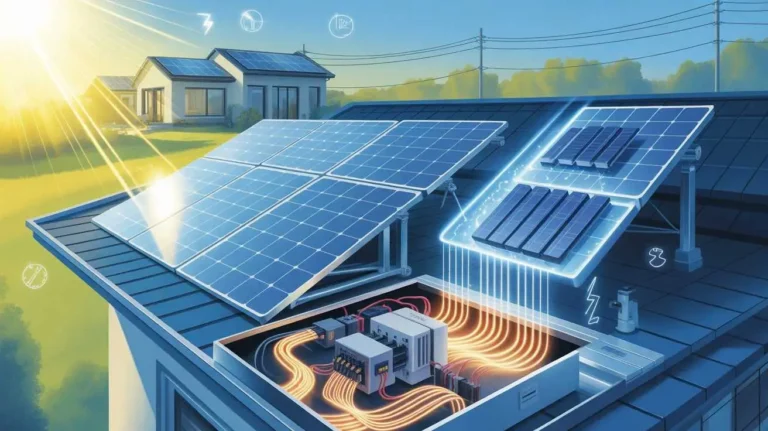
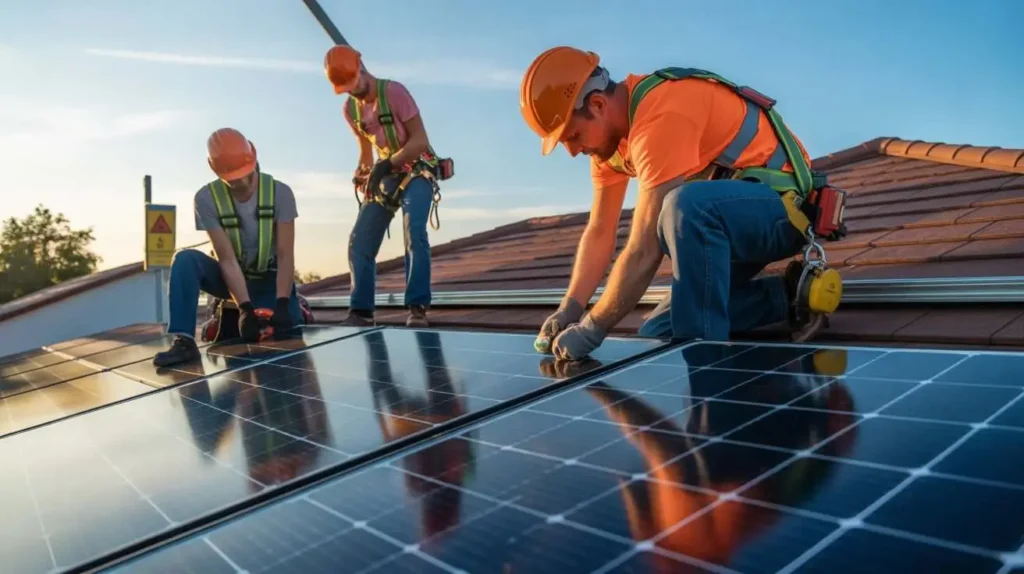
Every residential solar installation in the United States must comply with the National Electrical Code, which governs how solar wiring is routed, protected, and connected to your home’s existing electrical panel. Inspections by local building departments verify compliance before systems are permitted to operate.
DC electricity from your panels travels through conduit, which is enclosed wiring protection designed specifically to prevent contact between high voltage wiring and flammable materials. Arc fault circuit interrupters, required in modern solar installations, detect abnormal electrical arcing and shut the system down before it can cause heat buildup or fire. Rapid shutdown systems, now required by code in most U.S. states, allow first responders to de-energize a solar array quickly in emergencies.
These are not optional features. They are code requirements that every compliant installation must meet before being approved to operate.
Fire Safety and Solar Panels — The Real Statistics
What the Actual Incident Data Shows
Fire risk is the safety concern that generates the most anxiety around solar panels and it deserves a direct, data-grounded response rather than vague reassurance.
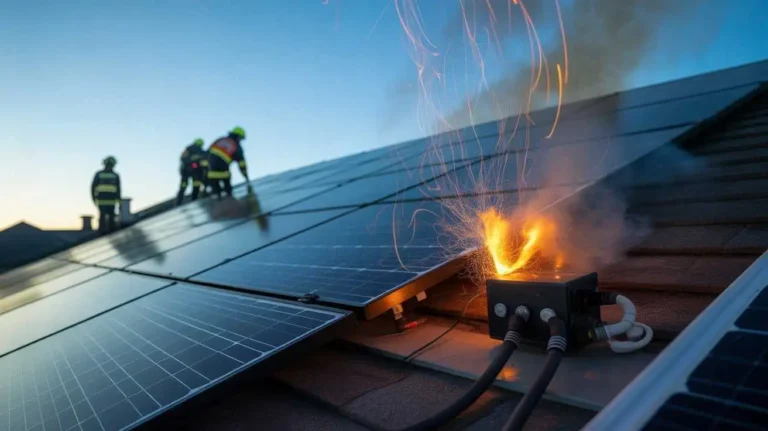
Residential solar installations do carry a statistically small fire risk, primarily associated with wiring faults, inverter malfunctions, or improper installation practices. This is a real risk worth acknowledging honestly. It is also a risk that exists with virtually every other electrical system in your home, including your HVAC system, your electrical panel, and your kitchen appliances.
As reported by the National Fire Protection Association, the fire risk associated with properly installed solar systems is very low and comparable to other standard residential electrical equipment when installations meet current code requirements.
What Increases and Decreases Solar Fire Risk
The single most significant factor in solar fire risk is installation quality. Systems installed by properly licensed contractors following current NEC requirements and local building codes have a substantially lower incident rate than systems installed improperly or without permits. This is why understanding what a compliant installation involves matters practically.
Older systems installed before current arc fault and rapid shutdown requirements became standard carry somewhat higher risk profiles than modern installations. If you have an older system installed more than ten years ago, having it inspected by a licensed electrician is worth doing.
For context on what a proper solar installation involves and what homeowners should verify before approving any installation on their home, how long solar installation takes in America from start to switch on covers the full installation process including the inspection and permitting stages that verify safety compliance.
Weather Safety — What Solar Panels Are Actually Built to Handle
Storm, Wind, and Hail Performance in Real U.S. Conditions
Homeowners in states prone to severe weather have legitimate questions about how solar panels perform under stress. Texas homeowners are facing hailstorms. Florida homeowners are dealing with hurricane season. Oklahoma and Kansas homeowners in tornado country. These concerns are not abstract.
Modern solar panels are tested to withstand hail strikes at defined speeds and sizes as part of standard certification requirements. Most residential panels carry IEC 61215 certification, which includes impact resistance testing. That does not make them indestructible,e but it does mean they are engineered for outdoor exposure to weather events that occur across U.S. climates.
What High Wind Events Actually Do to Roof-Mounted Panels
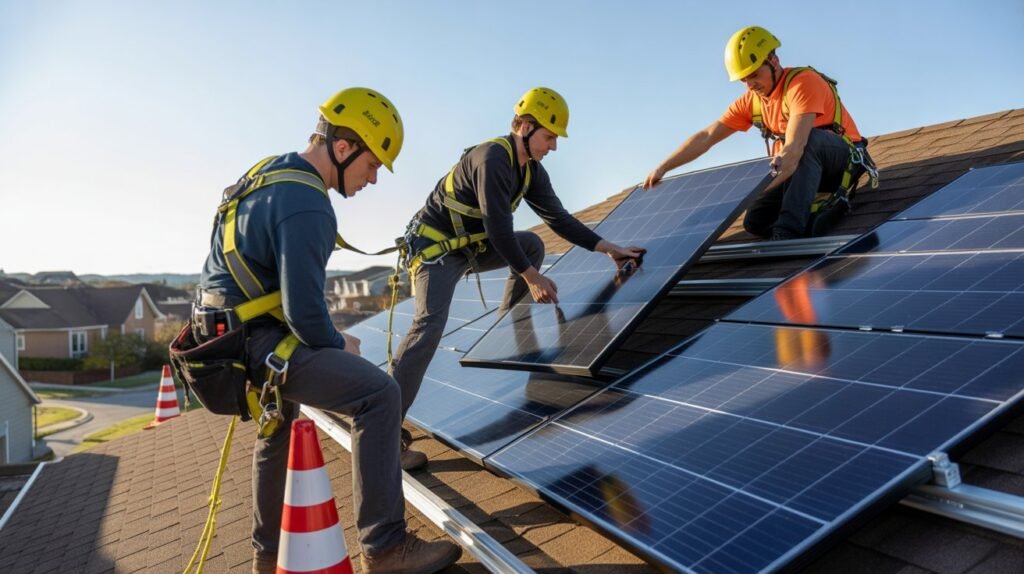
Properly mounted panels are secured to your roof structure through a racking system engineered for local wind load requirements. Installation permits require compliance with local wind speed standards, which vary by region. A system permitted and installed in coastal Florida must meet different wind load requirements than one installed in inland Nevada, precisely because the local exposure conditions differ.
Panels that have come loose during storms have almost universally been traced to improper mounting, substandard racking hardware, or installations that did not meet local permit requirements. Code-compliant installations on sound roof structures perform well in the severe weather conditions typical across the regions where they are installed.
Radiation and Health Questions — A Straight Answer
What Type of Energy Do Solar Panels Actually Emit
Health concerns about solar panels often center on radiation, and this is an area where confusion between different types of radiation causes significant unnecessary anxiety.
Solar panels convert sunlight into DC electricity. They do not emit ionizing radiation, which is the type associated with health risk from sources like medical X-rays or nuclear materials. They do not emit radio frequency radiation of any meaningful level. The DC electricity they produce travels through enclosed wiring to your inverter. It does not radiate through your roof or walls into your living space.
The Inverter and Electromagnetic Fields
The inverter, which converts DC to AC electricity, produces a small electromagnetic field during operation similar in nature to the field produced by other household electronics like your refrigerator, your television, and your laptop computer. The strength of this field decreases rapidly with distance and is typically below levels associated with any health concern at normal distances from the device.
Inverters are generally installed in utility rooms, garages, or exterior walls away from primary living and sleeping areas, which further reduces any meaningful exposure to their operating fields.
As confirmed by the World Health Organization, extremely low frequency electromagnetic fields from standard electrical equipment, including solar inverters, have not been established as a health risk at the field strengths produced by residential installations.
Roof Structural Safety — What Panels Actually Do to Your Roof
Weight Load and Structural Impact
Solar panels add weight to your roof, and that is a legitimate structural consideration worth understanding clearly rather than dismissing.
A typical residential solar panel weighs between 40 and 50 pounds. A standard residential system of 20 panels adds roughly 800 to 1,000 pounds distributed across the mounting points on your roof structure. When expressed as pounds per square foot, this load is generally within the structural capacity of sound residential roof framing and well within what roofs are designed to carry.
When Structural Assessment Matters Most
Older homes, homes with aging or previously damaged roof framing, and homes in areas with significant snow load requirements benefit from a structural assessment before solar installation. A reputable installer will flag potential structural concerns during the site assessment process. Any installer who does not evaluate your roof’s structural condition before designing a mounting system is skipping a step that matters.
For homeowners wondering whether the installation process and permitting requirements adequately protect their home’s structural integrity, do solar panels increase home value covers how properly installed systems are evaluated by appraisers and home inspectors during property transactions.
The Difference Between Proper and Improper Installation
Why Installation Quality Is the Central Safety Variable
If I had to identify the single most important factor in residential solar safety, it would be installation quality. Not a panel brand. Not an inverter model. Not system size. Installation quality.
Virtually every documented safety incident involving residential solar panels traces back to one of three things. Improper wiring techniques. Substandard or incorrectly installed racking hardware. Work performed without required permits and inspections.
What Proper Installation Looks Like in Practice
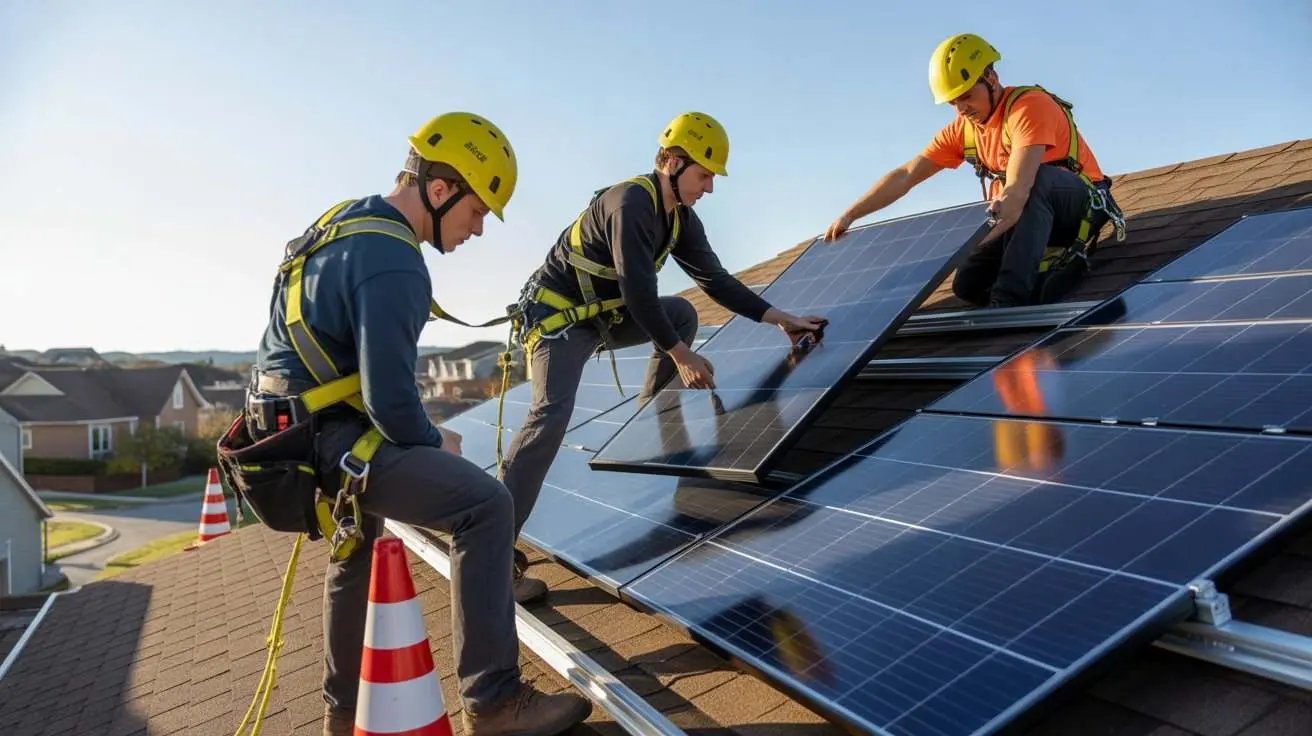
A properly executed residential solar installation involves a permit application to your local building department, a structural and electrical plan review, a physical inspection during installation, and a final inspection before the system is approved to connect to the grid. Utilities in most U.S. states require their own interconnection review before a system can legally operate.
That multi-stage review process is not a bureaucratic inconvenience. It is the mechanism through which safety compliance gets verified independently by parties who have no financial interest in cutting corners.
Homeowners who prioritize price above all other considerations and select installers who offer to skip permits or avoid inspections are accepting a safety trade-off that the cost savings do not justify. Permitted, inspected, code-compliant installations are not just legally required. They are genuinely safer.
To understand what the full cost picture of a properly permitted and installed solar system looks like, including the fees and processes involved, hidden solar panel costs for U.S. homeowners cover every line item that catches homeowners off guard.
Living With Solar Panels Day to Day — What It Actually Feels Like
The Reality of Daily Life Under a Solar System
I think the most honest answer to the question of what daily life with solar panels actually feels like is this. After the first few weeks of novelty, most homeowners stop thinking about their system almost entirely.
Panels sit on the roof and do their job. No noise from the panels themselves. The inverter produces a quiet operational hum that is audible up close but inaudible from normal living distances. Your home’s lights, appliances, and devices work exactly as they always did. Your electricity bill changes. Nothing else about your daily experience changes in any noticeable way.
What Homeowners Notice and What They Do Not
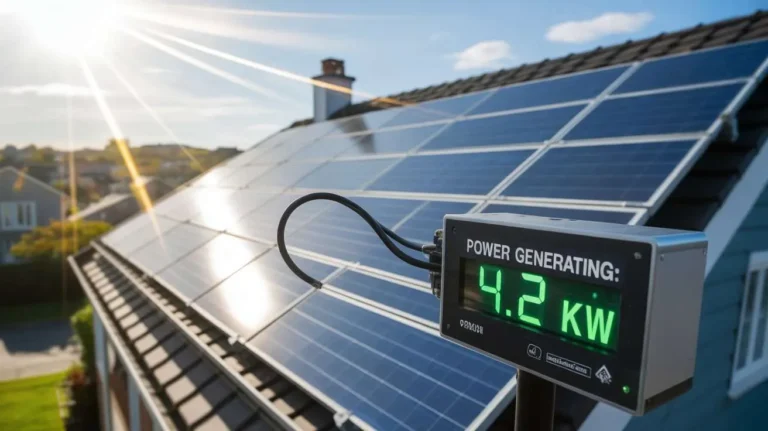
Most homeowners with solar systems say the primary thing they notice is checking their production monitoring app occasionally out of curiosity. Beyond that, the system operates in the background of daily life, the way your water heater or your HVAC system does. You know it is there. You are glad it is working. You almost never think about it.
The concerns that seemed significant before installation, fire risk, radiation, structural damage, storm vulnerability tend to recede into the background once homeowners experience years of uneventful operation firsthand.
Final Thoughts
Are solar panels safe for U.S. homes? The honest answer is yes, under the conditions that define a properly installed, code-compliant, permitted system on a structurally sound roof.
That conditional answer is more useful than a flat yes because the conditions matter. Installation quality determines safety outcomes more than any other single variable. A properly installed system in Phoenix, Newark, or Denver operates without meaningful safety risk across its 25 to 30-year lifespan. A system installed without permits, without inspections, or by contractors who skip code requirements carries a real risk that the lower upfront price does not justify.
From my point of view, the most practical safety advice for any homeowner considering solar is straightforward. Require permits. Verify inspections happen. Use licensed contractors. Ask to see proof of certification and insurance. These steps are not onerous, and they are the foundation of a safe installation regardless of what any salesperson tells you about being able to skip them.
The safety story of residential solar in the United States is fundamentally a quiet one. Millions of systems are operating without incident across every climate and geography in the country. That quiet is the real answer to the safety question for most American households.
FAQs
Are solar panels safe to have on a home roof?
Solar panels are generally designed to operate safely on residential buildings. They are fixed structures and do not move during normal use. Safety depends on proper design and standard operating conditions.
Are solar panels dangerous for people living nearby?
Solar panels do not usually pose a direct danger to people nearby. They operate quietly and do not release substances during normal use. Most concerns come from misunderstanding how they function.
Do solar panels produce harmful radiation?
Solar panels do not produce harmful radiation during everyday operation. They use sunlight and convert it into electrical energy. This process is different from sources that emit hazardous radiation.
Are there any health effects of solar panels?
The health effects of solar panels are a common question. In general, solar panels operate passively and do not interact directly with people. Every day exposure around them is similar to other household electrical systems.
Are solar panels safe during rain or storms?
Solar panels are built to be exposed to outdoor weather conditions. Rain and wind are considered in their design. Performance and safety can vary depending on environmental factors.
Why do some people worry about solar panel safety?
Concerns often come from limited information or outdated ideas. New technologies can seem unfamiliar at first. Learning basic facts helps clear up confusion about safety.

Morgan Lee is a homeowner and solar energy researcher based in the United States. After installing a rooftop solar system in 2022 and spending months comparing quotes, incentives, and installer reviews, Morgan realized how confusing and overwhelming the process felt for most American families. That experience led to the creation of SolarInfoPath, a no-pressure, educational platform designed to help U.S. homeowners understand solar energy clearly and confidently. Morgan focuses on practical, research-backed information covering solar costs, installation timelines, federal tax credits, and long-term savings. All content on this site is written from a homeowner’s perspective with the goal of making solar energy simple and accessible for everyday Americans.