What is the difference between solar energy and electricity? Actually Different and Why It Matters for Your Home
Most people use the words difference between solar energy and electricity as if they mean the same thing. I used to do the same. You hear someone say their neighbor runs their home on solar, and you picture the panels doing the same job as the power lines coming down the street. That picture is close,e but it skips something important, and that missing piece is what causes real confusion when people start researching solar seriously.
This article explains the actual difference between solar power and electricity in plain language, using real household examples, and without technical language that requires a science background to follow.
Starting With What Solar Energy Actually Is
Before comparing solar power versus electricity, it helps to be clear about what each term actually describes.
Solar Energy Exists Before Any Technology Touches It
Solar energy is the energy produced by the sun. It exists whether humans capture it or not. The warmth you feel stepping outside on a clear morning, the light coming through your kitchen window, the way a car interior heats up in a parking lot on a summer afternoon in Dallas or Phoenix, all of that is solar energy arriving at Earth and doing what it naturally does.
What Makes Solar Energy Different From Other Energy Sources
At this stage, solar energy is raw. It is not packaged, not processed, and not usable by your refrigerator or your phone charger. It simply exists as light and heat reaching the surface of the Earth. No company owns it. No utility controls it. It arrives every morning, whether anyone decides to capture it or not.
That is the starting point. Everything else in the solar power versus electricity conversation builds from there.
What Electricity Actually Is — Separated From Its Source
Electricity is a completely different thing from the energy source that creates it.
The Basic Definition Most People Never Get Clearly
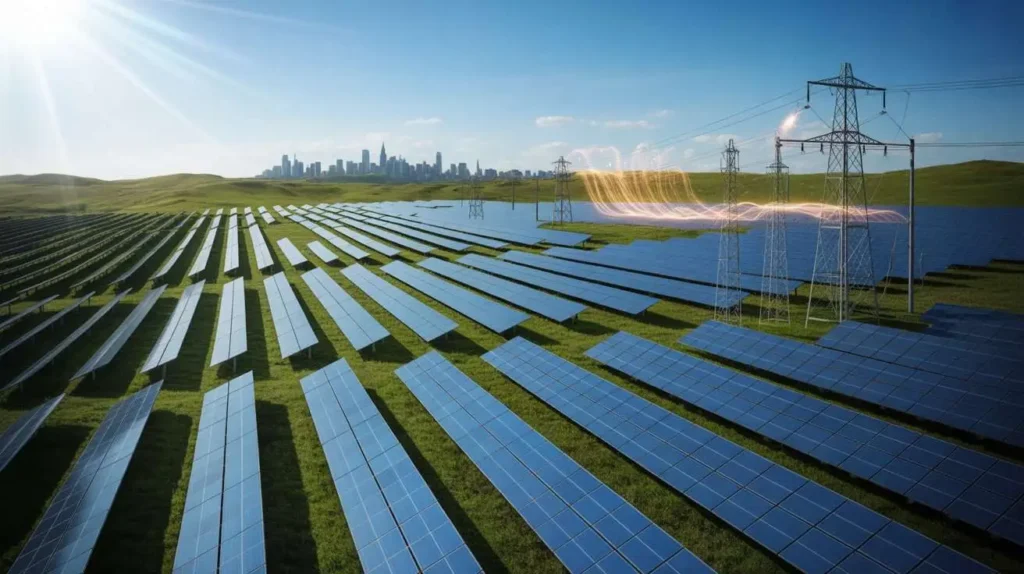
Electricity is the movement of electrons through a conductor, typically a wire. That movement is what powers your lights, charges your devices, runs your HVAC system, and keeps your refrigerator cold. It is not a source of energy itself. It is a form that energy takes after being converted from something else.
Why the Source of Electricity Changes Everything Financially
Here is the part that matters most for this comparison. Electricity does not come from one specific source. Coal burning creates it. Water flowing through a dam creates it. Wind turning a turbine creates it. And sunlight hitting a solar panel creates it. The electricity that comes out of a solar panel is physically identical to the electricity that comes out of a coal plant. Your appliances cannot tell the difference. This is a point most people have never thought about clearly, and it changes how you understand the solar panels vs electricity comparison entirely.
What a Solar Panel Actually Does Inside Your Home
This is where the conversion happens and where the confusion usually starts.
The Conversion Process From Sunlight to Usable Power
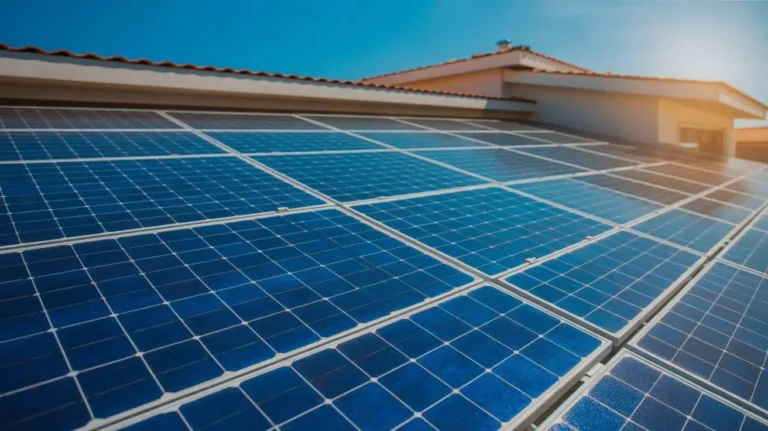
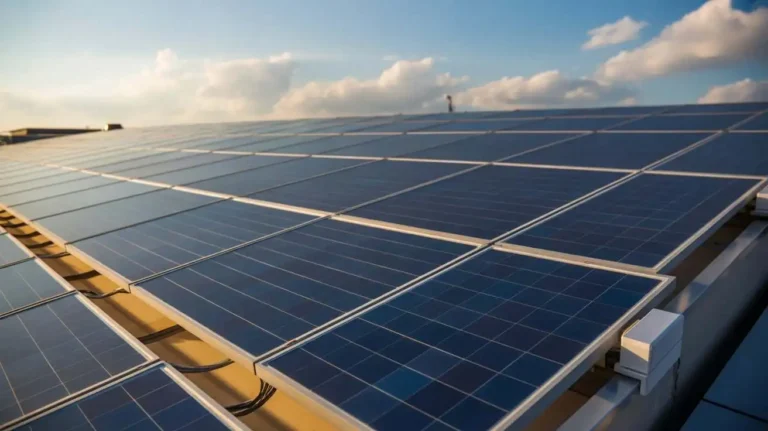
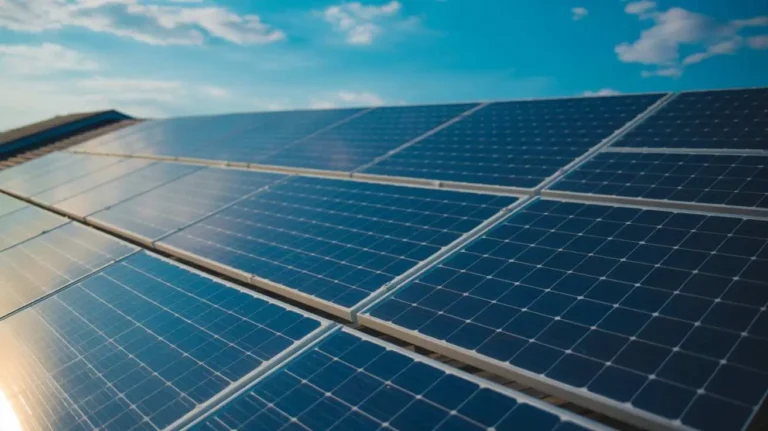
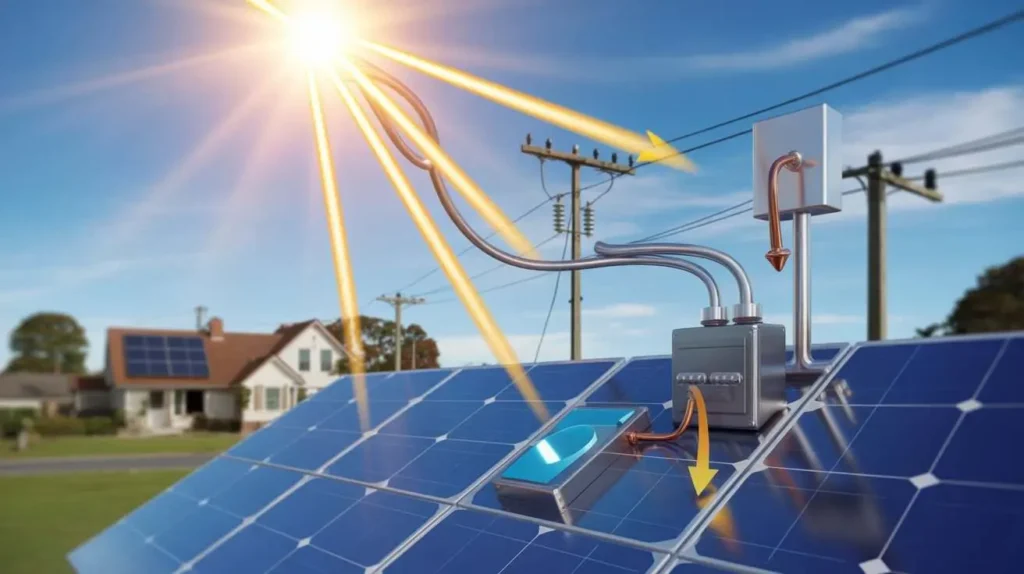
A solar panel does not use solar energy directly to power your home. It converts solar energy into electricity. Inside each panel are photovoltaic cells made primarily from silicon. When sunlight hits those cells, the energy in the light knocks electrons loose and sets them moving. That movement is an electrical current, specifically direct current or DC.
From DC to AC — The Step Most Explanations Skip
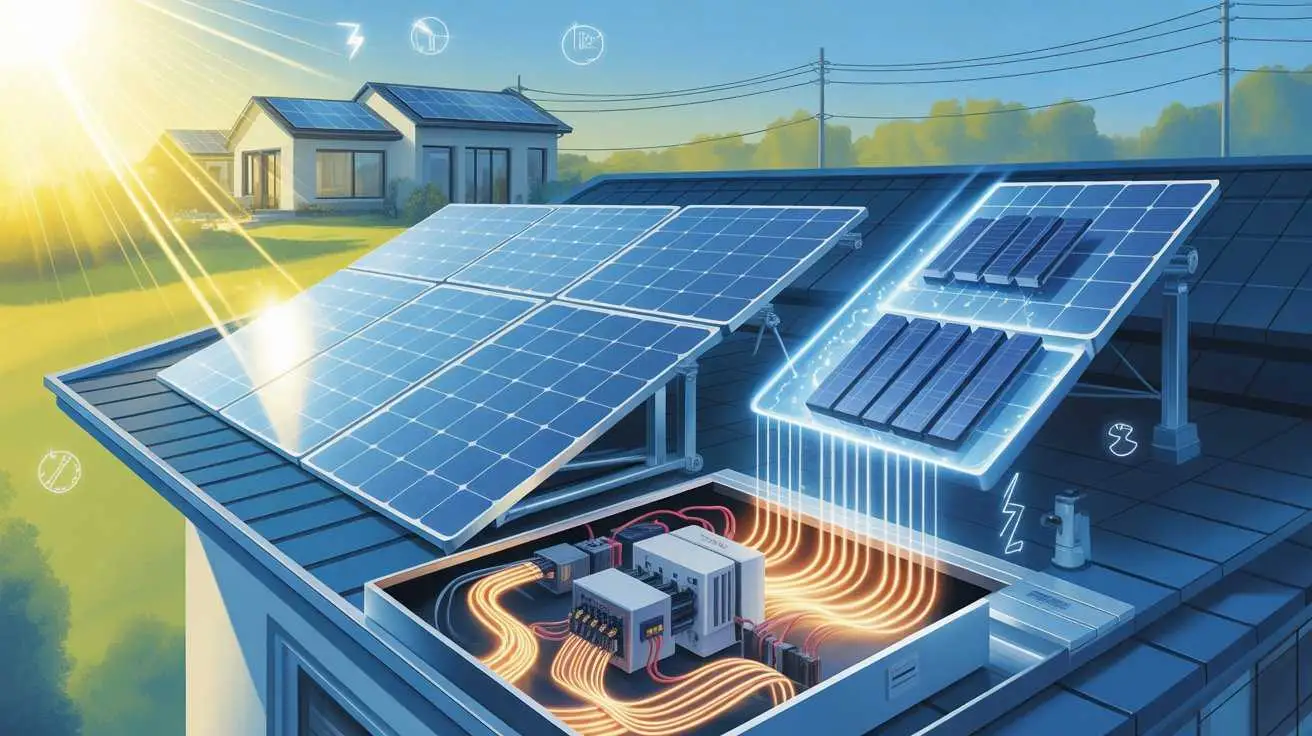
Your home does not run on DC. It runs on alternating current, AC. An inverter connected to your panel system converts the DC electricity into AC electricity. From that point, the electricity entering your home through the wiring is functionally identical to what your utility company would otherwise supply.
The journey looks like this in plain terms. Sunlight arrives. Panels capture it. Cells convert it to DC electricity. An inverter converts DC to AC. AC electricity powers your home. Any surplus flows to the grid or into battery storage.
To understand how this process plays out across a full solar system from installation through daily operation, how solar power works step by step in the USA, walks through each stage clearly without overcomplicating anything.
Solar Panels vs Electricity From the Grid — The Practical Difference for Your Home
Now that the technical distinction is clear, here is what it means practically for a real American household.
How a Grid-Connected Home Without Solar Works
When your home is connected to the utility grid without solar, electricity flows in one direction. The utility generates it somewhere using whatever fuel mix they use, sends it through transmission lines, and delivers it to your home. You use it and pay for every kilowatt hour at whatever rate your utility charges, whether that is $0.12 in Nevada, $0.17 in New Jersey, or $0.23 in California.
How a Solar Home Works Differently Day to Day
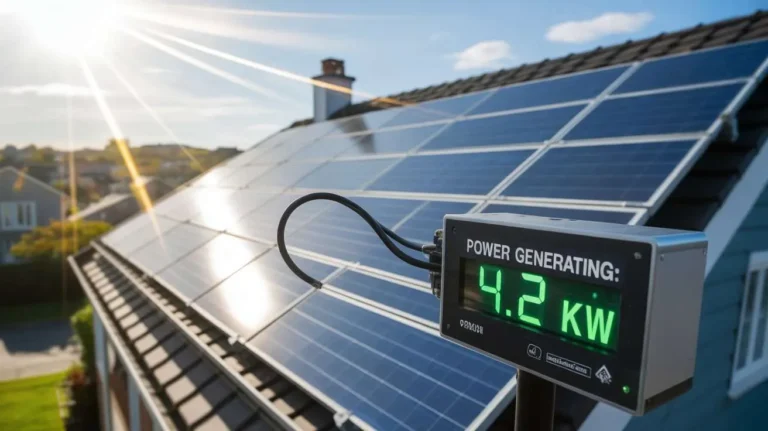
When your home has solar panels, your roof becomes a renewable source. During daylight hours, your panels are producing AC electricity that your home uses directly. If production exceeds consumption at any moment, surplus flows back to the grid. If consumption exceeds production, the grid makes up the difference seamlessly. At night, panels produce nothing, and the grid covers everything.
What Net Metering Adds to This Picture
Net metering programs available through utilities like PSE&G in New Jersey, NV Energy in Nevada, and utilities across California and Massachusetts add another dimension. Surplus electricity your panels produce flows to the grid and earns bill credits that offset your nighttime and low production grid consumption. The solar panels vs electricity calculation becomes significantly more favorable in states where net metering is active, and electricity rates are already high.
For a realistic look at what solar panels actually cost before those savings begin accumulating, residential solar panels cost breakdown for U.S. homes covers the full picture, including what drives cost differences from one state or household to the next.
A Side-by-Side Comparison Worth Keeping
Here is a clean comparison of how solar energy and grid electricity differ across the dimensions that matter most to homeowners:
| What You Are Comparing | Solar Power | Grid Electricity |
| What it is | Energy from sunlight is converted to electricity by panels | Electricity delivered through utility infrastructure |
| Source of fuel | Sunlight, which is free and inexhaustible | Fossil fuels, nuclear, hydro, or other utility sources |
| Cost per kilowatt hour | Effectively zero after system installation | Whatever your utility charges, currently rising in most states |
| Availability | Daylight hours only without battery storage | Available 24 hours through grid connection |
| Environmental impact | No emissions during operation | Varies based on utility fuel mix |
| Control | You own and operate your generation source | Entirely dependent on utility supply and pricing decisions |
| Reliability | Dependent on the sun and weather conditions | Dependent on grid infrastructure and utility maintenance |
The Financial Case Built on This Difference
Why the Solar Power vs Electricity Cost Gap Matters Over Time
Understanding solar power vs electricity at a technical level matters primarily because of what it means financially over time. Every kilowatt hour your panels produce during daylight is a kilowatt hour your utility does not sell you. At current electricity rates across most U.S. states, that represents real dollar savings that accumulate month after month across a system lifespan of 25 to 30 years.
A Real Household Example Worth Walking Through
Consider a family in Cherry Hill, New Jersey, paying $0.17 per kilowatt hour and consuming 1,000 kilowatt hours monthly. They are spending $170 per month on grid electricity. A properly sized solar system covering most of that consumption changes that number dramatically. Net metering through PSE&G credits surplus summer production against winter grid usage. The federal Investment Tax Credit reduces first year effective cost substantially.
For a clear understanding of what that federal credit covers and how to claim it correctly, how does the federal solar tax credit work in the USA explains the full process without oversimplifying.
What Happens at Night and on Cloudy Days
The Honest Limitation of Solar Power Versus Grid Electricity
Solar panels produce electricity only when sunlight is available. At night, production is zero. On heavily overcast days, production is reduced, though not zero,o because light still passes through cloud cover. During those periods, grid-connected solar homes draw from the utility exactly as they did before having panels.
How Battery Storage Changes This Equation
Battery storage systems change the picture by storing surplus daytime production for use at night or during low production periods. Battery adoption is growing among U.S. homeowners, particularly in states with time-of-use electricity rates where evening grid electricity costs more than daytime rates.
As confirmed by the National Renewable Energy Laboratory, grid-connected solar systems with battery storage can meaningfully reduce a home’s dependence on utility power across all hours of the day, extending the financial benefits of solar well beyond daylight hours.
Why This Comparison Matters Before Making Any Solar Decision
Setting Realistic Expectations From the Start
I have seen homeowners make solar decisions based on a fundamental misunderstanding of what solar panels actually do. They expect the panels to replace grid electricity entirely and permanently. When their bill does not disappear completely or when they notice they are still drawing grid power on winter evenings, they feel misled, even though the system is working exactly as designed.
What Realistic Expectations Actually Look Like
Solar panels produce electricity from sunlight during daylight hours. That production offsets a meaningful portion of what you would otherwise buy from your utility. Grid connection covers the gap. Net metering credits reduce the cost of that remaining grid usage. The result is a dramatically lower electricity bill, not necessarily a zero electricity bill.
That distinction is the difference between satisfaction and disappointment with a solar investment over the long term.
For context on what those savings actually look like in dollar terms across real U.S. households, how much do solar panels save per year for U.S. homeowners works through documented savings without overpromising.
Common Questions This Comparison Clears Up
Questions That Answer Themselves Once the Distinction Is Clear
Why Does a Solar Home Still Have an Electricity Bill
Because panels do not produce at night, and grid connection fees exist regardless of production. A solar home with net metering can bring its variable electricity charges very close to zero during high production months, but the fixed grid connection fee remains.
Why Do Homes in Cloudy States Still Benefit From Solar
Because reduced production still offsets meaningful grid consumption, and high electricity rates amplify the financial value of every kilowatt hour produced. A homeowner in Seattle producing 70 percent of their normal output on a cloudy day is still saving real money on expensive grid electricity.
Why Does Solar Power Still Need an Inverter
Because appliances run on AC and panels produce DC and direct connection without inversion would be incompatible with standard household wiring. The inverter is not an optional component. It is the essential bridge between what panels produce and what homes use.
For a broader look at whether solar makes financial sense for your specific household situation before you go further, Are Solar Panels Worth It for homes in the USA addresses the full picture honestly, including the situations where solar makes less sense than enthusiasts tend to acknowledge.
Final Thoughts
The difference between solar energy and electricity is not the same thing, and understanding that difference is more useful than it might initially seem. Solar energy is what the sun delivers to your roof. Solar power is what your panels make from it. Electricity is the result that your home actually uses every day.
The comparison between solar energy and electricity from the grid comes down to source, cost, and availability. Solar-generated electricity is free to produce once the system is installed. Grid electricity costs whatever your utility charges, and that cost has historically risen year over year across most U.S. states. Solar is available during daylight. Grid covers everything else. Together they make a functioning system that, under the right conditions,s dramatically reduces what a U.S. household spends on energy month after month across decades.
Frequently Asked Questions
Is solar energy the same thing as electricity?
Solar energy and electricity are not the same. Solar energy comes directly from the sun, while electricity is a usable form of energy. Solar energy must be converted before it can power devices.
Why do people often confuse solar energy and electricity?
People often confuse these terms because solar energy is commonly used to produce electricity. The conversion process is not always visible in daily life. This makes the two concepts seem similar.
Can solar energy be used directly in homes?
In most situations, solar energy cannot be used directly. It is first changed into electricity. That electricity is then used in homes and buildings.
Does electricity always come from solar energy?
No, electricity can be generated from many different sources. Solar energy is just one possible source. Other sources can also produce electricity.
What does solar power mean in simple terms?
Solar power means electricity that is made using energy from the sun. It describes the final usable result. The source is solar energy.
Why is understanding the difference between solar energy and electricity important for beginners?
Understanding the difference helps people learn how energy systems work. It clears up common confusion. This knowledge makes energy topics easier to understand.

Morgan Lee is a homeowner and solar energy researcher based in the United States. After installing a rooftop solar system in 2022 and spending months comparing quotes, incentives, and installer reviews, Morgan realized how confusing and overwhelming the process felt for most American families. That experience led to the creation of SolarInfoPath, a no-pressure, educational platform designed to help U.S. homeowners understand solar energy clearly and confidently. Morgan focuses on practical, research-backed information covering solar costs, installation timelines, federal tax credits, and long-term savings. All content on this site is written from a homeowner’s perspective with the goal of making solar energy simple and accessible for everyday Americans.