
A solar project debt workout attorney helps a borrower or lender sort out distressed commercial solar debt. A workout is a negotiated plan to fix a loan problem. Depending on the documents and law, options may include forbearance, payment changes, longer maturity, refinancing, collateral steps, or court-supervised restructuring. No result is guaranteed.
Commercial solar projects run on layered debt. A construction lender funds the build. A bridge lender may cover a short gap. A tax equity investor may supply capital later. When one layer fails, the others feel it. This guide explains how those layers connect and what happens when payments stop.
The article covers how financing is built, why projects default, and how workouts run. It then looks at bridge loans, mezzanine debt, tax equity, and construction loans. It also covers what counsel handles, foreclosure, bankruptcy, and a short FAQ. Every point is general information, and the answer always depends on the actual documents.
What Is a Solar Project Debt Workout?
A solar project debt workout is a negotiation between a project borrower and its lenders. The goal is to resolve a loan problem without losing the project. The parties may change payment terms, pause enforcement, add funds, or refinance the debt.
Workouts differ from ordinary refinancing. Refinancing replaces debt on normal terms for a healthy borrower. A workout starts after trouble appears. A missed payment, a broken covenant, or a failed funding source often starts it.
The parties are usually a project company, a secured lender, and a sponsor. The project company is a special-purpose entity that owns the assets. The lender holds a security interest in them. The loan agreement defines what counts as a default.
Default does not mean foreclosure. A default is a contract event. Enforcement is a choice the lender may make later. Many lenders and borrowers talk first, because a stalled project often has less value than a working one.
How Commercial Solar Project Financing Is Structured
Project financing stacks several sources of money. Each source has its own repayment rights and security. The stack differs from deal to deal, so no single picture fits every project.
Senior secured debt usually ranks first. Mezzanine debt sits below it and often has higher risk. Bridge debt covers a short gap, often until another source of funds arrives. Tax equity is investor capital tied to federal tax benefits. Sponsor equity is the developer’s own money.
Stoel Rives, a law firm, describes project finance for solar projects as built around project-level collateral and controlled loan advances. Treat that as a general description. The loan papers for a given project control.
Lenders look at cash flow first. A project earns money by selling electricity under a power purchase agreement, or PPA. That revenue pays debt service. If revenue falls short, the debt feels pressure.
Difference Between Construction Debt and Permanent Financing
Construction debt pays for the build. Lenders often release money in stages. Each release may depend on completion milestones and other conditions. Permanent financing comes later, once the project operates.
The risks differ. A construction-stage default may involve unfinished work, contractor claims, and unmet funding conditions. An operating-stage default usually involves revenue, debt service, and upkeep.
Many projects move from construction debt to permanent debt after commercial operation. This date is called the commercial operation date, or COD. If COD slips, the planned refinancing can slip with it.
That link is why timing matters. A delay in one stage can cause stress in the next. The sections below follow that chain.
Common Causes of Commercial Solar Project Loan Defaults
Defaults usually come from money, timing, or contract terms. Sometimes all three appear together. The loan agreement lists the events of default. The same facts may be a default in one deal and not in another.
Some readers also ask about problems outside the loan. A disputed lease signature is one example. A solar panel forged signature lawyer handles that kind of document fight. It can affect land rights that the lender counted on.
Payment Defaults and Loan Covenant Violations
A payment default means a scheduled payment was not made. A covenant breach means the borrower broke another promise. Examples include a financial ratio, a reporting duty, or a limit on new debt.
Many agreements give a grace period or a cure period. A cure period is time to fix the problem. The length differs between agreements, so no standard number applies.
A cross-default is another trigger. It means a default under one agreement can set off a default under another. A project with several loans can face several defaults from one event.
The lender may send a notice of default. The notice names the alleged default. It may also set a deadline. Readers should treat that notice as a signal to review the documents closely.
Construction Delays and Cost Overruns
Construction delays can strain funding conditions. A lender may stop releasing money if milestones are missed. The project then has less cash to finish the work.
Cost overruns add a second strain. Remaining costs may exceed the unused loan proceeds. The sponsor may need to add equity, and not every sponsor can.
Other causes appear too. An EPC contractor may run into financial trouble. EPC means engineering, procurement, and construction. Equipment may arrive late. Subcontractors may file mechanic’s liens for unpaid work.
Worker safety problems can add cost and delay. A solar installation injury lawsuit may bring claims and insurance issues to a site. Those matters are separate from the loan, but they can raise project costs.
How Solar Project Finance Default Workouts Work
A workout follows the loan papers and the governing law. There is no single required path. The ABA’s business law publication describes forbearance and similar steps as common tools for commercial loan defaults.
In plain terms, the steps often run in this order. The borrower reviews the documents. The parties talk. They may sign a short agreement that sets ground rules. Then they try to agree on a longer-term fix. Treat this as an illustration, not a legal sequence.
Applied to a solar project, that process is a solar project finance default workout. It rests on the same contract and collateral rules as other commercial loans.
Reviewing Loan Agreements and Default Notices
The first task is to read the documents. The credit agreement sets events of default, cure rights, and remedies. The security agreement lists the collateral. Guarantees show who else may owe money.
A default notice needs a careful read. It may say what default is claimed and what action is demanded. It may start a cure clock. The borrower should note every date.
The contract definition of default decides which remedies may exist. A lender cannot rely on a remedy the documents do not give. That is why many workouts start with a document review.
Negotiating a Forbearance Agreement
A forbearance agreement is a deal where the lender agrees to hold back certain remedies for a set time. The borrower agrees to conditions in return. Those may include reports, payments, or extra collateral.
Forbearance does not erase the default. The default may still exist, and the lender may keep its rights after the period ends. The terms depend on the agreement the parties sign.
Some parties first sign a pre-negotiation agreement. It sets ground rules for talks. For example, it may say that nothing said in talks changes the loan terms. Not every workout uses one.
Lenders are not required to agree to forbearance. A borrower should not assume a lender will negotiate. Each lender weighs its own risk and its own options.
Loan Modification, Maturity Extension, and Refinancing
A loan modification changes the terms of the existing loan. It may revise the payment schedule or adjust interest. A maturity extension gives more time to repay. Refinancing replaces the loan with new debt.
Each choice has different effects. An extension buys time but may not fix the cash gap. Interest may be added to the balance, which raises the total owed. Refinancing needs a new lender willing to take the risk.
Lenders may ask for something in return. It may want a fee, more collateral, or tighter reporting. These terms differ in every deal.
Solar Bridge Loan Default Attorney: Financing Risks and Legal Issues
A bridge loan covers a short-term need. It often depends on a later source of money for repayment. That source may be tax equity funding or permanent debt. If it does not arrive, the bridge loan may fall due without a way to repay it.
In practice, a solar bridge loan default attorney would start by reading the maturity terms and the expected repayment source. The loan papers show what the lender may do next.
The ACIC, a renewable energy law group, discusses intercreditor ideas for these deals. It notes that some structures expect tax equity to repay part of the construction financing. A failed funding condition can therefore affect repayment.
Bridge lenders and construction lenders may also disagree. Each may rely on the same future funds. Their agreements decide who has what rights.
What Happens When a Solar Bridge Loan Cannot Be Repaid?
The outcome depends on the documents and the law. Missing the maturity date may be an event of default. The lender may then consider remedies. It may also agree to extend the loan.
Here is a hypothetical example. A bridge loan of $5,000,000 is due in one year. The planned tax equity payment is delayed. The borrower has no other funds. These figures are made up, and they do not reflect real terms.
In that case, the parties might talk about a short extension. The lender may ask for a fee or more collateral. Or the lender may demand payment. Nothing here says which route is likely.
The borrower should keep a record of the funding delay. Dates and written notices from the investor can matter later.
Commercial Solar Mezzanine Debt Litigation and Creditor Rights
Mezzanine debt sits between senior debt and equity. It usually pays more interest because it carries more risk. Disputes can arise when senior and mezzanine lenders disagree about rights.
Commercial solar mezzanine debt litigation, when it happens, usually turns on the papers. The key documents are the loan agreements, the pledge documents, and the intercreditor agreement. An intercreditor agreement sets the rights and priorities of lenders at different levels.
The Uniform Commercial Code, or UCC, also matters. Article 9 covers many secured transactions. State law fills in details, so rules can vary by place.
Senior Debt Versus Mezzanine Debt
Senior debt generally has first claim on project assets. Mezzanine debt ranks below it. The exact ranking must come from the documents, not from labels.
The two lenders may have different goals. A senior lender may want steady payment. A mezzanine lender may want to protect its stake in the project. Their goals may clash in a default.
Intercreditor terms may limit what a junior lender can do. They may also give the junior lender time to cure a senior default. Do not assume every deal has the same terms.
Equity Pledge Enforcement and Project Ownership
A mezzanine lender often holds a pledge of the equity in the project company. That is different from a mortgage on the land. If the pledge is enforced, the lender may take over ownership of the company.
This approach can keep contracts and permits in place. The project company still holds them. That may be simpler than selling assets one by one.
Enforcing against equity is not the same as foreclosing on physical assets. The steps, the law, and the consents may differ. Some contracts need consent before ownership changes.
Sponsors may fear losing control. That fear is real, and it often drives talks. They may also have guarantees that reach beyond the project, so those papers need review.
Solar Tax Equity Bridge Loan Default and Funding Complications
A tax equity investor puts money into a project in exchange for tax benefits and some cash. The payment often comes after certain milestones. A bridge or construction lender may expect that payment.
If that payment does not arrive, a solar tax equity bridge loan default can follow. The loan may mature before the investor funds. The funding conditions and the lender’s rights then become central.
The structure ties several parties together. The tax equity investor, the bridge lender, and the construction lender each have separate contracts. A problem in one contract can spill into the others.
An interparty agreement may set how they deal with each other. It may cover consents and rights to cure. It is one more document to review.
What Happens When Expected Tax Equity Funding Is Delayed?
A funding delay does not automatically mean a breach. The investment documents set the conditions for funding. Some conditions may be missing, and some may be disputed.
Say a project expects a tax equity payment after it reaches COD. The project reaches COD late. The investor says a condition is unmet. The developer disagrees. This is a made-up example.
The lender may now face a gap. The loan was meant to be repaid from that funding. The parties may negotiate a fix, or each may claim its contract rights.
Pain points follow. The developer may lack cash to pay the bridge lender. The investor may dispute its duty to fund. Counsel often looks at both sets of documents at once.
Tax Credit Recapture and Investor Exposure
Recapture means a tax benefit may be reduced or reversed if certain conditions are not met. Whether recapture applies depends on the tax rules and on the transaction facts. The IRS and the Internal Revenue Code are the sources to check.
It matters in a workout because investors care about it. A transfer of the project or a foreclosure could change ownership. Investors may ask how that affects their tax position.
Do not assume a tax credit stays available after a transfer or foreclosure. That outcome depends on current law and the facts. A tax professional should review it. Tax rules also change, so check current IRS guidance.
Commercial Solar Construction Loan Workout
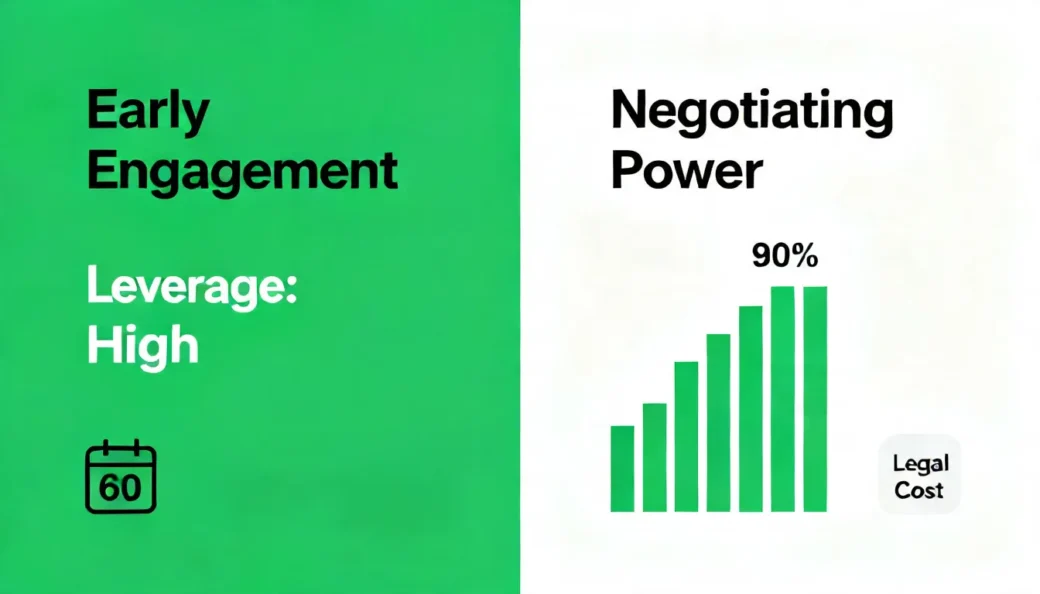
A commercial solar construction loan workout deals with distress during the build. The key questions are how much work remains, who will pay for it, and whether the project can reach COD.
Construction lenders often release money in stages. Each release may depend on conditions. If the conditions are not met, the lender may stop funding. That can leave a half-built project with no cash.
Federal loan guarantee rules also touch default and collateral. For loans under that program, 10 CFR Part 609 includes rules on collateral, servicing, default, and foreclosure. You can read the text in the federal regulations on GovInfo. Most private projects do not use that program, so check the loan type first.
Construction Loan Default and Unfinished Project Assets
An unfinished project is worth less than a finished one in many cases. The collateral may include equipment, contracts, and land rights. Its value depends on how much work is done and how much remains.
Lenders compare two paths. They may fund the finish. Or they may enforce on what exists. The choice depends on completion cost, collateral rights, and project value.
Here is a hypothetical example. A project has a $20,000,000 construction loan. The outstanding principal is $16,000,000. Accrued interest and fees are $400,000, so stated debt and charges are $16,400,000. Remaining construction costs are $2,000,000. These figures are made up.
Valuation is often disputed. Enterprise value treats the project as a working asset. Liquidation value looks at what the assets might bring in a sale. The two can differ for unfinished sites. An independent engineer may review the work done and the cost to finish.
The example shows what a workout review may weigh. It does not show that the project can be saved. It also does not show a project value or a right outcome.
Equipment can add questions. A supplier may hold back deliveries after missed payments. Fire or storm damage can also hit a half-built site. A solar panel fire litigation dispute, for instance, raises insurance and fault issues apart from the loan.
Can a Distressed Solar Project Be Completed?
Sometimes yes, and sometimes no. Completion depends on funding, contracts, permits, and the rights of creditors. A replacement contractor may be needed. A PPA may have a deadline.
A lender may sometimes use step-in rights. These are contract rights that let a lender take certain actions to protect the project. The terms depend on the agreements.
Interconnection can also block completion. If the grid connection is delayed, the project cannot sell power. A tva interconnection breach lawsuit shows how a grid dispute can arise in one region. It is a utility contract issue, not a loan issue.
The sponsor’s ability to add equity matters too. A lender may ask for more sponsor money before it funds more. A sponsor without funds may need a new partner.
Environmental claims can also add delay. Neighbors may raise runoff or drainage complaints during construction. A solar farm runoff attorney georgia guide covers one such area, and it is separate from the loan.
What Does a Solar Project Debt Workout Attorney Handle?
Counsel reviews documents, explains rights, and helps negotiate. The role depends on whom the lawyer represents. A lawyer for the borrower has different goals from a lawyer for the lender.
Common tasks include reading default notices and finding cure rights. Counsel may also draft forbearance terms and review collateral. If talks fail, counsel may handle enforcement or court steps.
Several kinds of lawyers may be involved. Project finance lawyers know the loan structure. Restructuring lawyers handle distress. Bankruptcy lawyers handle court cases. Secured transactions lawyers know collateral rules.
Readers often wonder which type fits. A solar project finance attorney works on deal structure and financing documents. Distress work may need added skills, and some firms cover both.
Lender-Side Versus Borrower-Side Representation
A solar project finance attorney may act for either side. Lender-side counsel works for the creditor. It looks at default rights, collateral, and recovery. Borrower-side counsel works for the project owner or sponsor. It looks at defenses, time, and ways to keep the project.
Sponsors, guarantors, and tax equity investors may each need their own counsel. Their interests can differ from the borrower’s. One lawyer usually cannot serve opposing sides.
The parties may have different goals. The lender wants repayment. The borrower wants time and control. Tax equity wants its returns protected.
Documents to Prepare for a Legal Review
Bring the core financing papers. These include the credit agreement, promissory note, security agreement, and guarantees. Bring UCC financing statements and the intercreditor agreement.
Add the project papers. These include the EPC contract, the PPA, and the interconnection agreement. Add tax equity documents, default notices, and any past modification or forbearance agreements. Add insurance and claim files too, such as a solar installation injury lawsuit or a solar panel fire litigation matter.
Check that the papers are genuine. If a signature on a lease or guarantee is questioned, a solar panel forged signature lawyer may need the originals. Do not assume a problem exists. Ask early.
Organize the papers by date. Mark every deadline. Include any grid dispute file, such as a tva interconnection breach lawsuit. Environmental claim letters, as in a solar farm runoff attorney georgia matter, belong in the file too.
Questions to Consider When Evaluating Project Finance Counsel
Ask about the transaction type. Has the lawyer worked on construction and permanent financing? Do they know tax equity and intercreditor deals? Do they understand the state law that applies? Ask whom they represent. Check for conflicts. Ask how they would approach the first review. Ask what documents they need. State bar directories can confirm a license. They also show any public discipline. Experience should match the type of deal and dispute. Fee terms, staffing, and timing also deserve a clear conversation.
Do not choose a lawyer from an ad alone. Consumer disputes follow different rules. People who search “solar scam consumer protection attorney” often have a home sales problem, not a project loan default.
Solar Project Foreclosure, Bankruptcy, and Secured Creditor Remedies
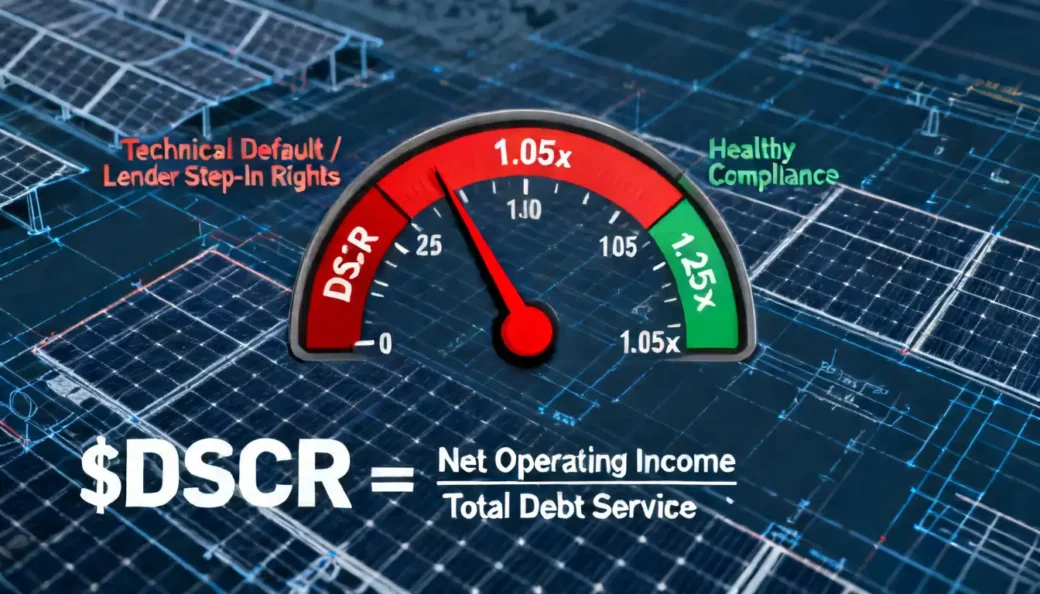
When talks fail, a secured lender may enforce its rights. Which remedies exist depends on the documents, the collateral, state law, and whether a bankruptcy case has begun. Morgan Lewis, in a project finance guide, notes that enforcement may include foreclosure on assets or equity.
Remedies are not identical for all creditors. A senior lender, a mezzanine lender, and a tax equity investor hold different rights. Do not assume one rule fits all.
Secured Creditor Rights and Collateral Enforcement
A security interest is a legal claim on collateral that secures a debt. Perfection means taking steps so the interest is effective against others. A UCC filing is a common step for many assets.
Solar collateral can be wide. It may include project company equity, real property interests, project contracts, permits, and bank accounts. Some permits and contracts have limits on transfer.
Lien priority sets who gets paid first. It depends on filings, agreements, and law. Disputes over priority can start if a creditor challenges the validity or ranking of another’s lien.
Project-level debt differs from sponsor-level debt. Project-level debt is secured by the project company and its assets. Sponsor-level debt sits above that company. Structure can affect who recovers what.
Methods and procedures differ by collateral type and by state. Some states use court-based foreclosure. Others allow non-court sales. Check the law of the place where the collateral sits.
A receiver is another tool. A court may appoint a receiver to manage property during a dispute. The rules for that step also vary.
Bankruptcy and the Automatic Stay
When a debtor files for bankruptcy, an automatic stay usually starts. The stay generally pauses many collection and enforcement actions. The rules have exceptions, and a court can grant relief from the stay.
Bankruptcy can affect project contracts as well. A PPA or an EPC agreement may be treated in specific ways. These questions are complex and need counsel.
Some lenders and borrowers want to avoid bankruptcy. Others see it as a tool. Neither view fits every project. The statute and the court decide how the case proceeds. You can find federal bankruptcy resources at the U.S. Courts website.
Executory contracts need care. These are contracts with duties left on both sides, such as a PPA or an EPC agreement. A bankruptcy court may treat them in specific ways. Counsel should check each contract.
The stay does not erase secured debt. A lender may still hold a lien. The case then sets how the claim is treated.
Out-of-Court Workout Versus Bankruptcy
An out-of-court workout is private and based on contract. It may be faster and keep more control with the parties. But it needs agreement from all key creditors, and a holdout can block it.
A bankruptcy case is court-supervised. It can bind some creditors and offer a stay. It also brings public filings, added cost, and court rules.
Neither path fits every project. A project worth more as a finished asset may favor a deal. A project with many hostile creditors may push toward court. This guide does not recommend either route.
Some projects may also tie to power buyers. A data center solar ppa lawyer ohio guide shows how large power deals work. A PPA can also be a key asset in a workout, so its terms matter.
Conclusion: Understanding Solar Project Debt Workout Options
Solar project debt problems link construction lenders, bridge lenders, mezzanine lenders, and tax equity investors. A failure in one layer can strain the rest. Knowing the capital structure helps explain why.
Construction defaults and operating defaults carry different risks. Collateral and creditor priority shape recovery. Forbearance, modification, and refinancing can each play a role. Bankruptcy is one path, not the only one.
A solar project debt workout attorney can help review the real documents and the law. Legal and tax results depend on the facts, the state, and the contracts. No result is certain, so careful review comes first.
Frequently Asked Questions About Solar Project Debt Workouts
What is the difference between a debt workout and refinancing?
A workout starts after distress appears. Refinancing replaces debt on normal terms. A workout may use a modification, a forbearance, or a refinancing.
Can a commercial solar construction loan be extended?
It may be, if the lender agrees. The loan papers and the lender’s view decide. An extension may come with fees or new conditions.
What happens when a bridge loan reaches maturity unpaid?
The lender may treat it as an event of default. It may also agree to extend. The outcome depends on the documents and the talks.
Can a lender stop funding an unfinished project?
It may, if a funding condition is unmet or a default exists. The loan agreement sets those conditions. Review it for cure rights.
What if a tax equity investor does not fund?
A lender expecting that money may face a gap. The funding conditions and the contracts decide who is at fault. Each party may have separate rights.
What is the difference between senior and mezzanine debt?
Senior debt usually ranks first for repayment. Mezzanine debt ranks below it and often has higher risk. The documents set the exact ranking.
Can a mezzanine lender enforce an equity pledge?
It may, depending on the pledge, the intercreditor terms, and state law. Consents may be needed. The steps differ from asset foreclosure.
What is a pre-negotiation agreement?
A pre-negotiation agreement is a short deal that sets ground rules for talks. It may say talks do not change loan terms. Not every workout uses one.
Does bankruptcy automatically eliminate secured debt?
No. A secured lender may still hold a lien. The bankruptcy case decides how the claim is treated.
Can a solar project keep operating during a restructuring?
Often it can, if revenue continues and key contracts stay in place. Lender consent may still be needed. The facts decide.
What happens to a PPA when the owner defaults?
It depends on the PPA terms and the loan papers. A data center solar ppa lawyer ohio deal is one example of a large power contract. Some PPAs limit assignment or allow termination. Lenders often review them closely.
When should a borrower get legal advice about a default?
A default notice, a threat to enforce, or a missed maturity are common triggers. A home solar sales dispute may need a solar scam consumer protection attorney instead.
This article by SolarInfoPath (2026 research framework) is part of a comprehensive solar knowledge architecture covering all major high-value sectors including legal disputes (installation negligence, contracts, liability, fraud, lawsuits, liens, HOA and permitting disputes), financial structures (loans, PPA/lease agreements, DSCR financing, tax equity, investment and project finance), tax law (ITC, Section 48/25D, MACRS depreciation, bonus credits, IRS audits, recapture rules, domestic content and IRA/OBBBA compliance), insurance and risk (property damage, hail/wind/fire claims, bad faith insurance disputes, warranty coverage), policy and regulation (net metering, FERC interconnection, state utility rules, incentive programs and regulatory changes), commercial and utility-scale development (EPC contracts, construction delays, performance bonds, receivership, bankruptcy, asset sale and restructuring), real estate impacts (home value, solar leases, liens, title issues, HOA restrictions, easements), and emerging market structures such as battery storage, community solar, agrivoltaics, SRECs, yieldcos, and institutional investment funds. All content is based on publicly available regulatory, financial, and legal sources and is intended strictly for educational and informational purposes, not legal, tax, or financial advice. Readers should always verify current laws, utility policies, tax regulations, and contract terms with qualified licensed professionals before making decisions, as solar regulations, incentives, and financial structures frequently change across jurisdictions and time.

Solar Legal Analyst· Policy Researcher· Investigative Finance Writer Lead Analyst & Founder of SolarInfoPath
Morgan Lee is a solar legal analyst, policy researcher, and investigative finance writer with 12+ years of experience in U.S. renewable energy law, IRS tax credit compliance, and solar litigation. He is the founder of SolarInfoPath, a research-driven platform focused on primary-source analysis of solar contracts, tax law, regulatory policy, and industry disputes affecting homeowners and commercial developers.
His work is grounded in original legal and regulatory sources, including IRS notices, FERC and CPUC rulings, state court filings, PACER records, and UCC lien databases. He specializes in solar contract disputes, injury and workers’ compensation claims, PACE financing issues, tax equity structures, ITC recapture rules, MACRS depreciation, and federal and state solar policy frameworks.
Morgan’s analysis spans solar litigation, finance structures, and regulatory developments such as the IRA and OBBBA, interconnection reform, domestic content rules, and battery storage incentives. He also covers EPC contracts, PPAs, project financing, and utility-scale solar investment structures.